


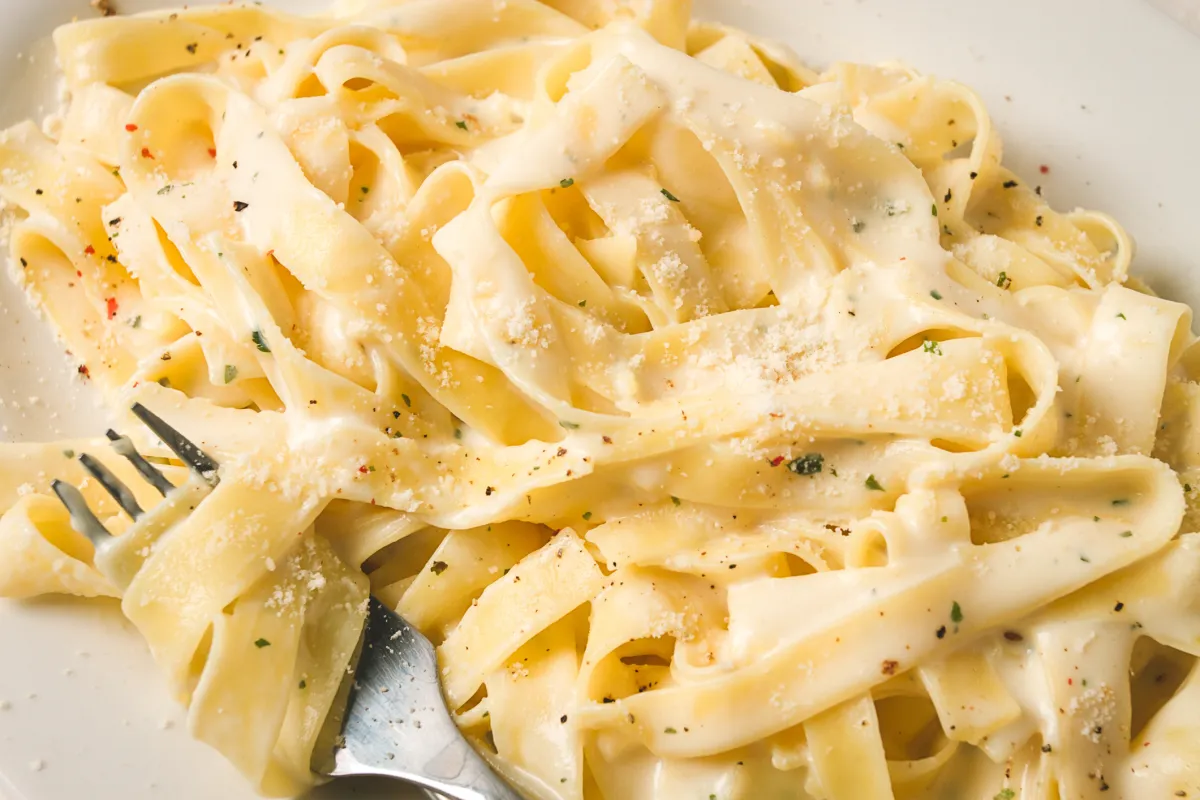
It can feel unsettling to open the freezer and realize that something you bought at the grocery store—something that was supposed to be a quick, easy dinner—is now at the center of a nationwide health alert. That is exactly the situation facing shoppers who purchased a particular brand of frozen fettuccine from Walmart. The U.S. Food and Drug Administration has recently escalated a recall involving bettergoods Authentic Italian Lemon Alfredo Fettuccine to its most serious risk classification. This is no small administrative detail. It signals that consuming the product could potentially lead to severe illness or even death. The recall, first issued on September 15, came after routine sampling by the Washington State Department of Agriculture and the Florida Department of Agriculture and Consumer Services discovered that the product may be contaminated with Listeria monocytogenes. For anyone who has eaten this pasta or has it sitting in their freezer, the news is understandably concerning. But knowing what this classification means, why it matters, and what to do next can make a stressful moment feel a little more manageable. Food recalls happen more often than many people realize, but this one has touched a nerve because it involves a relatively common item sold at one of the largest retailers in the country. For now, the message from health officials is clear: don’t eat it, and take the warning seriously.
The FDA’s decision to label this recall as Class I is significant because it is the agency’s highest risk category. By assigning this label, the FDA is saying there is a “reasonable probability” that using or being exposed to the recalled product could cause serious adverse health consequences or death. That language, while clinical and measured, quietly carries an enormous amount of weight. In layperson’s terms, it means the agency believes the risk is not hypothetical. It is real, serious, and potentially life-threatening. For families, this kind of announcement can feel alarming, especially when you think about the people who are most likely to sit down at the dinner table: grandparents with weaker immune systems, young children whose bodies are still developing, pregnant women who have to think about two lives at once, and anyone managing a chronic illness. The Class I designation doesn’t necessarily mean that every single package is contaminated, nor does it mean that anyone has already gotten sick. But it is the FDA’s way of saying that the danger is credible enough to warrant immediate attention. It is the food-safety equivalent of a red alert, and it should be treated as such. When you see that label, it is a reminder that behind the everyday act of buying groceries, there is an entire network of surveillance and testing working to catch potential dangers before they escalate into widespread tragedies.
Listeria monocytogenes is not a household name for everyone, but it is one of the most dangerous foodborne pathogens out there. It is a bacterium that can cause listeriosis, a serious infection that most often affects certain high-risk groups. Healthy adults might experience only mild, flu-like symptoms or none at all, but for vulnerable people, the consequences can be devastating. The FDA and the Centers for Disease Control and Prevention typically warn that listeriosis can be especially harmful to young children, frail or older adults, and individuals with weakened immune systems. Pregnant women are also of great concern because the infection can lead to miscarriage, stillbirth, premature delivery, or severe illness in a newborn baby. Symptoms of listeriosis can include fever, severe headache, stiffness, nausea, abdominal pain, and diarrhea. One of the tricky things about Listeria is that symptoms can appear anywhere from a few days to a few weeks after eating contaminated food, which can make it difficult to connect the illness to a specific meal. That lag time underscores why an official recall matters so much. By the time someone realizes they are sick, the contaminated food may already be gone, and the source may not be obvious. The bacterium is also notoriously tough. It can survive and even continue to grow at refrigerator temperatures, which means freezing or chilling a product does not necessarily make it safe. That is why a relatively small number of contaminated packages can still pose a broad public health threat.
This particular recall appears to have been caught early, which is reassuring in a way. It was not triggered by a cluster of people showing up at hospitals with life-threatening infections. Instead, it was the product of routine sampling by two state agencies—the Washington State Department of Agriculture and the Florida Department of Agriculture and Consumer Services. These agencies regularly test food products as part of their mission to protect public health, and their efforts flagged the possibility that this frozen fettuccine might contain Listeria. After that discovery, the company that produces the pasta, Gias Foods, took the responsible step of stopping distribution while it investigates the potential source of contamination. The FDA is working alongside the company to trace the issue and understand how the bacteria may have entered the production process. As of the time the recall was announced, no illnesses had been reported. That is good news, but it is not the same as saying the danger has passed. It simply means that the system worked as intended: potential contamination was identified, the public was alerted, and the product was pulled before more people could eat it. Still, the lack of reported illnesses does not mean people should ignore the warning. Listeria infections can take weeks to develop, and some people who have eaten the pasta may not yet know they are affected. The absence of cases today does not guarantee the absence of cases tomorrow.
If you think you may have purchased this product, the most important thing is to act quickly and calmly. First, check your freezer. The recall applies to bettergoods Authentic Italian Lemon Alfredo Fettuccine, which was sold at Walmart stores across the country. In many cases, the recall notice will include not only the product name but also lot codes, UPC numbers, and best-by dates to help you determine whether your package is affected. If you find that the product matches the recall description, do not eat it. Do not even taste it to check. While Listeria can cause illness, it is not something you want to gamble with, especially if you or someone in your household is in a higher-risk group. The safest approach is to dispose of the product immediately or return it to the store where you purchased it for a refund. If the product has touched any surfaces in your kitchen, be sure to wash those areas thoroughly with hot, soapy water, because Listeria can linger in the environment. Also be mindful of cross-contamination. If you have already eaten some of the pasta and have not experienced any symptoms, there is no need to panic, but you should remain observant. Take note of how you are feeling over the next several days and weeks. If symptoms like fever, muscle aches, stiffness, nausea, or gastrointestinal distress appear, contact your healthcare provider and let them know about the recall and what you consumed.
While this specific recall may feel like an isolated event, it fits into a broader conversation about food safety and the invisible protections that keep our meals safe. When we buy frozen pasta, we usually trust that it is safe simply because it is in a sealed bag and has been processed to last in the freezer. But food production is complicated, and no system is perfect. Recalls like this one are a reminder that food can become contaminated at various points along the supply chain—during sourcing, processing, packing, or distribution. They also highlight the importance of the agencies and inspectors who test food on a regular basis, often without grabbing headlines or being noticed. The fact that two state departments of agriculture were able to identify a potential problem before any reported illness is a profound success story, even if it is not framed that way. It speaks to the vigilance of the people whose job it is to protect the public. At the same time, it is a reminder for consumers to stay informed. Paying attention to recall notices, reading the news, and taking food alerts seriously are all part of being a thoughtful shopper. This is developing story, and more information may emerge as the FDA and Gias Foods continue to investigate. People who have questions are encouraged to consult the FDA website or reach out to their healthcare provider if they are concerned. In the meantime, the message is simple: check your freezer, respect the warning, and take care of yourself and the ones you love. Food should nourish us, not endanger us, and staying alert is the best way to keep it that way.