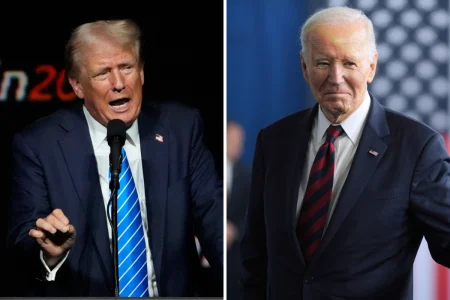






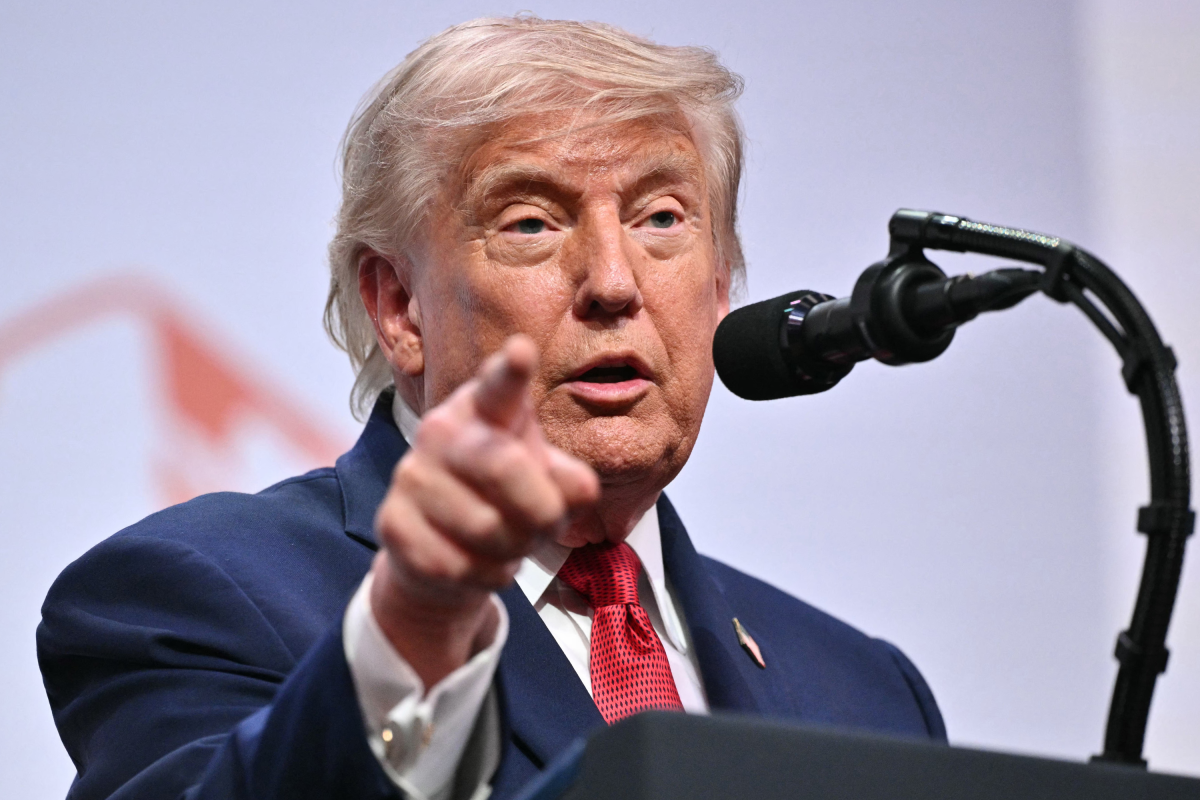
On Thursday evening at 9 p.m. ET, President Donald Trump will return to the national spotlight to deliver a highly anticipated primetime address centered on the hot-button issue of election integrity. For years, Trump has passionately argued that America’s voting systems are vulnerable to systemic fraud and foreign interference, making this upcoming speech a natural continuation of his political focus. According to multiple media outlets, the address is expected to dive deep into voting machine security, newly declassified intelligence, and his ongoing grievances regarding the 2020 election. This high-profile event comes at a crucial moment, arriving just months before the 2026 midterm elections where Republicans will fight to maintain their congressional majorities. White House Press Secretary Karoline Leavitt urged the public to tune in and ignore the rumor mill, noting that despite intense speculation from anonymous sources, only the president himself knows exactly what his final remarks will contain.
Central to the anticipation surrounding the speech is the expectation that Trump will resurrect his long-standing claims about the 2020 presidential race. He recently teased the address as containing “really, really big news” about “free and fair elections,” reiterating his core belief that “without free and fair elections, you don’t have a country.” Behind the scenes, the administration has spent over a year examining voting systems and reviewing election-related intelligence. This preparation culminated in Trump authorizing acting Director of National Intelligence Bill Pulte to declassify sensitive documents linked to the 2020 contest. While numerous court rulings, independent audits, and bipartisan reviews have repeatedly debunked theories of widespread fraud that could have altered the 2020 election results, Trump’s upcoming address signaling a return to this divisive topic is bound to reignite national debate.
A major pillar of the president’s address will reportedly focus on the technological vulnerabilities of voting machines. White House sources suggest Trump plans to highlight technical flaws that his administration argues could leave the machines open to foreign cyberintrusions. Security reviews commissioned by federal officials have previously pointed to specific vulnerabilities requiring software updates and physical safeguards. However, government investigators have stressed that they found no actual evidence that any voting systems were successfully hacked to alter the outcome of past elections. By bringing this technical debate to a primetime audience, Trump aims to build public pressure for sweeping changes to how votes are cast and counted across the country, though critics worry this rhetoric could unnecessarily erode voter confidence ahead of future contests.
The speech is also expected to make waves internationally, with rumors suggesting Trump may unveil intelligence concerning Chinese espionage. Sources indicate the administration has considered releasing documents showing that Beijing gained access to American voter registration data or has the intent to interfere in future U.S. contests. However, intelligence officials are quick to clarify that the current under-review data does not show that China actually manipulated votes or altered any final tallies. Previous intelligence assessments from the 2020 cycle similarly concluded that while foreign adversaries attempted to influence public opinion, they did not compromise the actual voting infrastructure or tabulation systems. Mentioning China tonight serves to frame the election security debate not just as a domestic issue, but as a critical matter of national security.
Beyond airing past grievances and pointing to foreign threats, Trump plans to pivot to concrete legislative demands, most notably the Safeguard American Voter Eligibility (SAVE) Act. This highly controversial bill would mandate strict proof of citizenship, such as a passport or birth certificate, for anyone registering to vote in federal elections. Proponents argue the law is a common-sense measure necessary to ensure that only eligible American citizens participate in the democratic process. Conversely, opponents contend that noncitizen voting is already illegal and vanishingly rare, warning that the bill’s strict requirements would create unnecessary hurdles for millions of low-income, elderly, and minority voters who may not have easy access to these specific documents.
In a dramatic show of force to pressure lawmakers into passing the SAVE Act, Trump has taken the extraordinary step of holding up unrelated, major legislation. On his social media platform, Truth Social, the president announced his refusal to sign a major, bipartisan housing package that had already cleared Congress, explicitly citing his action as a “protest” against the Senate’s failure to pass the SAVE Act. Trump slammed the Senate’s inaction as “CRAZY” and a “serious threat,” while demanding an end to most mail-in ballots except for the military and disabled. By using the presidential veto pen as leverage on high-stakes domestic policy, Trump is signaling to both his base and his party that he is willing to grind the federal government to a halt to secure his vision of election reform.