







China’s economic engine is showing clear signs of strain, posting its slowest growth rate in over three years as the nation grapples with a complex web of structural challenges. Official data reveals that the country’s economy grew at a 4.3% annualized pace in the April-to-June quarter, marking a noticeable deceleration from the 5% expansion recorded at the start of 2026. While Beijing has tried to move away from obsessing over headline gross domestic product (GDP) figures, the slowdown is hard to ignore. Chinese President Xi Jinping has actively tried to steer the country toward a new economic blueprint—chasing what he calls “new quality productive forces,” which focuses heavily on advanced manufacturing, artificial intelligence, and green energy. The goal is to transition away from a historic reliance on real estate development and debt-fueled construction. However, this high-tech transition has not yet been powerful enough to offset the heavy drag of a half-decade-long property crash, tepid household demand, and a stubborn youth employment crisis.
Although Beijing has set a flexible GDP growth target of around 4.5% to 5% for the year—a target that international heavyweights like the International Monetary Fund and Goldman Sachs believe is still within reach—skepticism continues to shadow the official announcements. Economists have long cast a doubtful eye on the reliability of the government’s balance sheets, recalling the candid admission of the late former Premier Li Keqiang, who famously remarked in 2007 that China’s economic data was largely “man-made” and should be taken with a grain of salt. For everyday citizens, the macroeconomic debate matters far less than the tangible anxiety of daily life. The real pulse of the economy is felt not in boardroom projections, but on the high streets, where a profound sense of caution has taken root. Households, deeply scarred by the sudden end of the pandemic boom and the ongoing devaluation of their homes, are choosing to hoard cash rather than spend it, choking off the domestic consumption that Beijing so desperately wants to ignite.
This consumer paralysis is vividly captured in the latest retail sector indicators, which paint a sobering picture of public morale. Retail sales of consumer goods grew by a meager 1.3% over the first half of the year, with June sales scraping by with just a 1% year-on-year increase. In a healthy, self-sustaining economy, shopping and dining out drive momentum, but post-COVID China has seen cash registers fall silent as families prioritize financial survival. The psychological toll of the real estate crisis cannot be overstated; for the vast majority of middle-class Chinese families, property was their primary wealth store. With home values continuing to slide five years after the housing bubble burst, people feel poorer, thinner stretched, and incredibly hesitant to make discretionary purchases. For foreign observers, this lack of domestic vitality suggests that the government’s efforts to rebalance the economy toward a consumer-driven model are floundering, leaving the country heavily reliant on its traditional lifeline: selling goods to the rest of the world.
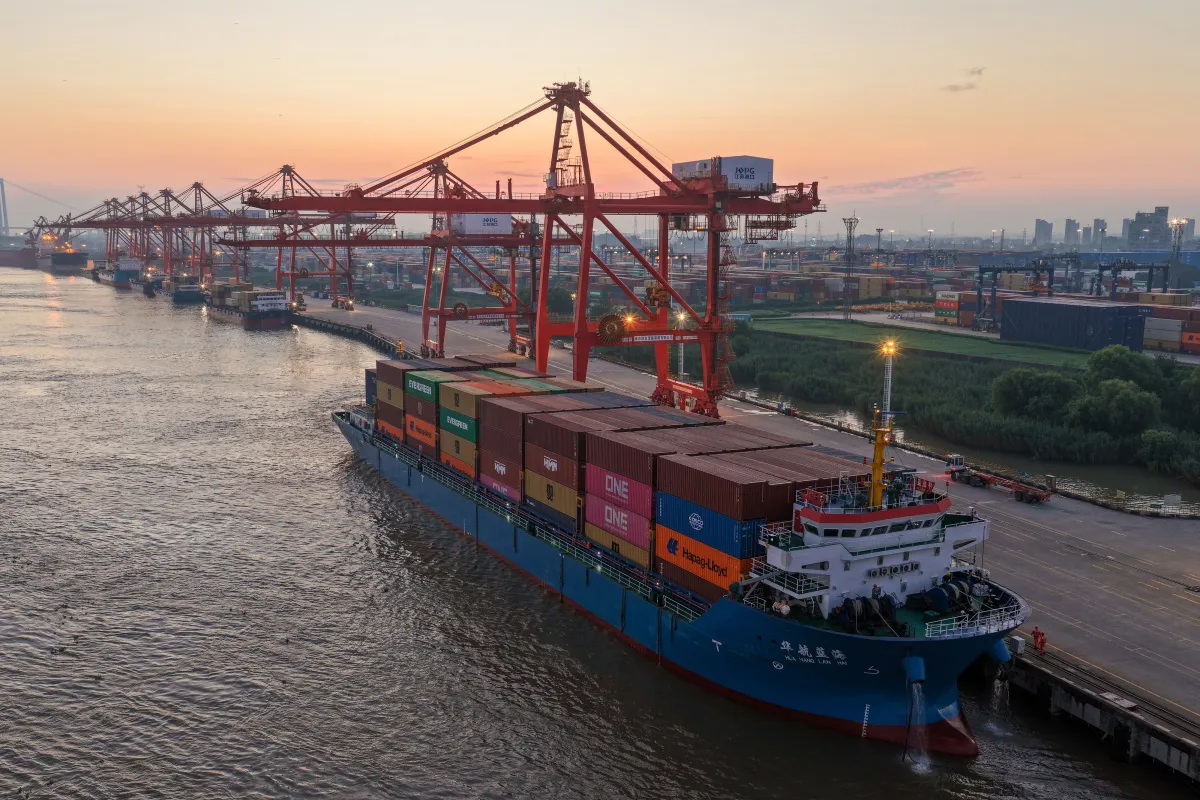
Indeed, factory exports have emerged as the lone bright spot in an otherwise gloomy landscape, surging by an impressive 27% in June. This boom has been propelled by a massive wave of high-tech shipments, ranging from electric vehicles and solar panels to sophisticated electronics and industrial machinery. Economists note that China has cultivated a highly competitive, efficient manufacturing ecosystem that continues to attract steady international demand. However, this relentless export drive is hitting a wall of intense global political resistance. The United States, the European Union, and even several developing nations traditionally friendly with Beijing are pushing back hard. They accuse China of heavily subsidizing its industrial sectors and dumping cheap goods onto foreign markets to compensate for its weak domestic market. Critics argue that this strategy threatens to decimate local manufacturing businesses abroad, setting up a volatile trade climate that looks increasingly unsustainable in the long run.
Adding to these structural headwinds is a looming domestic crisis that directly threatens social stability: a deeply troubled labor market. While officially the urban unemployment rate sits at a seemingly modest 5.0%, independent analysts point out that this number obscures a much harsher reality. The official statistics exclude tens of millions of rural migrant workers as well as discouraged job seekers who have given up looking for work altogether. Prominent researchers estimate that if these forgotten populations were properly factored in, the true unemployment rate would skyrocket to around 10.2%. For young people, the situation is particularly bleak. Even after the government suspended the publication of youth unemployment data and reworked its methodology to exclude students, the rate has remained stubbornly in the double digits, reflecting a generation struggling to find its footing after graduation.
The human cost of this economic stagnation is perhaps most visible in the graduate market. This year, a record-breaking 12.7 million college students entered the job hunt—nearly half a million more than the previous year—only to find a market with far too few entry-level corporate and high-tech positions to welcome them. The mismatch between the highly educated, ambitious youth and the realities of a slowing economy has created a palpable sense of disillusionment. As Beijing continues its high-stakes attempt to pivot toward advanced industries while ignoring the deep-seated anxieties of its consumers, pressure is building. Without a meaningful recovery in household wealth and domestic jobs, China’s path to sustainable growth remains highly uncertain, leaving policymakers with a narrow and treacherous tightrope to walk in the months ahead.