






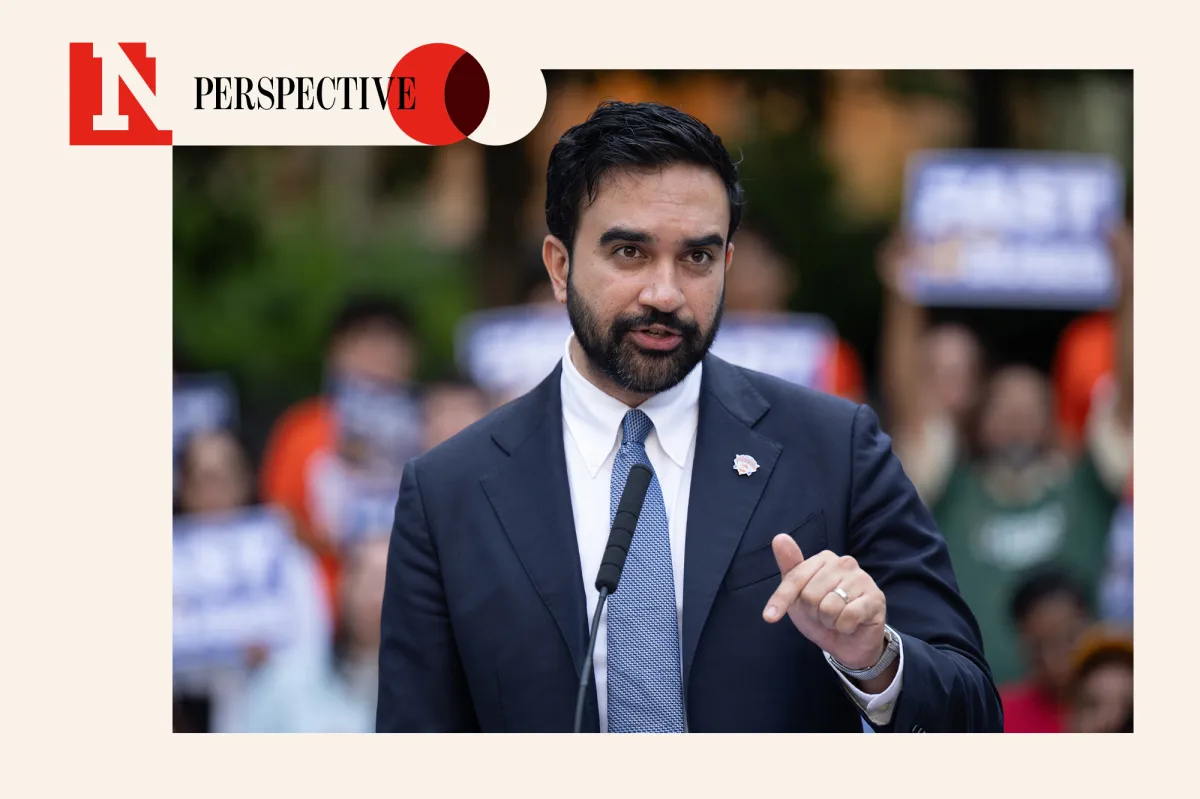
The democratic socialist movement in America did not emerge overnight; rather, it represents the patient, dramatic evolution of a political undercurrent that was once relegated to the neglected margins of history. Born in 1982 from the merger of two modest left-wing groups—the trade-unionist Democratic Socialist Organizing Committee and the New Left-inspired New American Movement—the Democratic Socialists of America (DSA) spent its first few decades operating in relative obscurity, maintaining a quiet roster of just a few thousand devoted members. The trajectory of this sleepy organization changed forever in 2016 when Senator Bernie Sanders launched his first presidential campaign, capturing the imaginations of millions of young Americans and single-handedly stripping the word “socialism” of its Cold War-era stigma. Almost overnight, the DSA’s membership skyrocketed from a modest 6,000 to a formidable 80,000, establishing a grassroots foundations that has only continued to grow. Today, the organization’s active, dues-paying membership has surged past 120,000, officially solidifying its status as the largest socialist organization in United States history, eclipsing the historic peaks of the Socialist Party of America in 1912 and the Communist Party USA in 1947. This growth curve has become virtually vertical, driven by a wave of local energy and high-profile campaigns, such as Zohran Mamdani’s high-stakes New York City mayoral prospective run, which catalyzed thousands of new members to join the ranks in a matters of months.
While a national membership of 120,000 might seem like a mere drop in the bucket compared to the forty-five million registered Democrats nationwide, the DSA’s true power lies in its sophisticated understanding of local electoral mechanics. Operating within a rigid American two-party system defined by single-member districts and first-past-the-post voting makes establishing a viable third party an electoral impossibility; instead, the DSA has adapted by functioning as a highly disciplined, ideologically focused faction operating directly inside the Democratic Party itself. By strategically contesting low-turnout primaries and running candidates on the established Democratic ballot line, they have managed to leverage their passionate, highly organized activist base to overwhelm entrenched incumbents who are often caught completely off guard. This cycle alone, the movement has backed roughly 150 candidates, with more than thirty-five of them securing decisive victories across major metropolitan areas in California, Pennsylvania, and New York. The most shocking illustration of this tactical discipline occurred in Colorado, where Melat Kiros, a twenty-nine-year-old former corporate attorney and first-time candidate, launched a formidable grassroots campaign that unseated fifteen-term Representative Diana DeGette—a political powerhouse who had held office since before Kiros was even three years old, proving that organized human infrastructure can defeat decades of political dynasty.
This dramatic surge of democratic socialism has been unexpectedly assisted by a highly unusual ideological alignment in national politics, starting with the rhetoric of Republican Vice President JD Vance. Though Vance is an unlikely champion for the political left, his public crusades against four decades of failed neoliberal economic policies, deregulation, and cheap labor have fundamentally destabilized the traditional pro-business consensus of his own party. By arguing that pure market forces have failed to protect the basic dignity of the working class, Vance has inadvertently validated the core economic critiques historically championed by democratic socialists, making these ideas sound far less fringe to the average, exhausted voter. Simultaneously, international events have served as an intense catalyst for political mobilization, particularly since the October 7, 2023, attacks orchestrated by Hamas leader Yahya Sinwar and the subsequent, devastating Israeli military campaign in Gaza. This crisis deeply radicalized a generation of American college students, many of whom transitioned directly from organizing campus encampments to leading competitive DSA-aligned political campaigns. In New York’s 13th Congressional District, candidate Darializa Avila Chevalier—a co-founder of Columbia University Apartheid Divest—leveraged this profound anti-war sentiment to construct a winning campaign, while major AIPAC-backed incumbents found their massive financial advantages neutralized by a base deeply hostile to continued unconditional U.S. military aid to Israel.
Beyond international policy and macroeconomic rhetoric, the daily struggle for physical survival has anchored the socialist platform in the immediate, material realities of working-class lives. For decades, local zoning laws were dismissed as dry, technocratic matters of municipal administration, but as housing construction failed to recover from the 2008 financial crash, these rules became the primary mechanism deciding who could afford to stay in their communities and who would be priced out. With rent prices vastly outstripping wages, the DSA stepped forward with a clear, uncompromising critique: a housing market driven solely by developer profit will always underserve those in need, and only bold state intervention—such as strict rent controls and expanded public housing—can correct the crisis. Candidates like Nithya Raman in Los Angeles and Zohran Mamdani in New York built their successful campaigns directly on these urgent housing promises, finding an audience that didn’t need a lecture on capitalist theory because they were already living through the devastating math of their monthly rent bills. This collective desire for state-guaranteed security was further solidified by the profound psychological legacy of the COVID-19 pandemic, which permanently altered the public’s understanding of government capability by proving that the state could quickly deploy massive financial relief, halt evictions, and expand unemployment benefits without causing societal collapse.
The institutional engine powering this modern wave of campaigns was assembled largely by accident in the wake of Bernie Sanders’ historic 2016 run, demonstrating how grassroots movements can build self-sustaining infrastructure over time. In early 2017, a dedicated group of Sanders campaign veterans and volunteers founded Justice Democrats, a political action committee specifically designed to recruit, train, and fund insurgent primary challengers who completely reject corporate PAC money. This organization has become a formidable political powerhouse, channeling hundreds of thousands of dollars into key victories, such as funding Claire Valdez and Darializa Avila Chevalier, showing that grassroots organizing can stand toe-to-toe with deep-pocketed corporate donors. Yet, this strategic infrastructure would have little power without a receptive audience, which is currently supplied by a generation of young adults facing unprecedented financial stagnation. According to historical mobility data from Harvard and Stanford economists, only half of Americans born in the late 1980s earn more than their parents did at the same age, compared to an overwhelming ninety percent of those born in 1940. This stark economic regression has transformed personal financial anxiety into a shared generational crusade, allowing millennial and Gen Z candidates to champion policies like wealth taxes and rent control not as abstract radicalism, but as a justified restitution of the American dream.
This modern iteration of American socialism also represents a profound demographic departure from the movement’s historical origins, transitioning from a working-class trade union base into a movement increasingly guided by highly educated, campus-trained activists. Today’s young socialist candidates are frequently products of elite universities, where they honed their organizational skills, mastered complex media strategies, and learned how to build resilient coalitions while leading highly active student organizations. Critics from the right have long argued that these universities have cultivated a specific, highly skeptical worldview focused intensely on systemic power dynamics and institutional hierarchies, which these young organizers have now effectively redirected from the classroom toward economic issues like wages, rents, and the immense concentration of billionaire wealth. Ultimately, this sophisticated, highly mobilized activist vanguard has successfully stepped into the massive political vacuum left by a traditional Democratic Party establishment that has struggled to address the deep economic anxieties of its base. By addressing the material anxieties of everyday communities and offering concrete, systemic solutions to rent hikes and stagnant wages, these democratic socialists are not merely protesting the status quo—they are actively rewriting the rules of modern American politics from the ground up.