





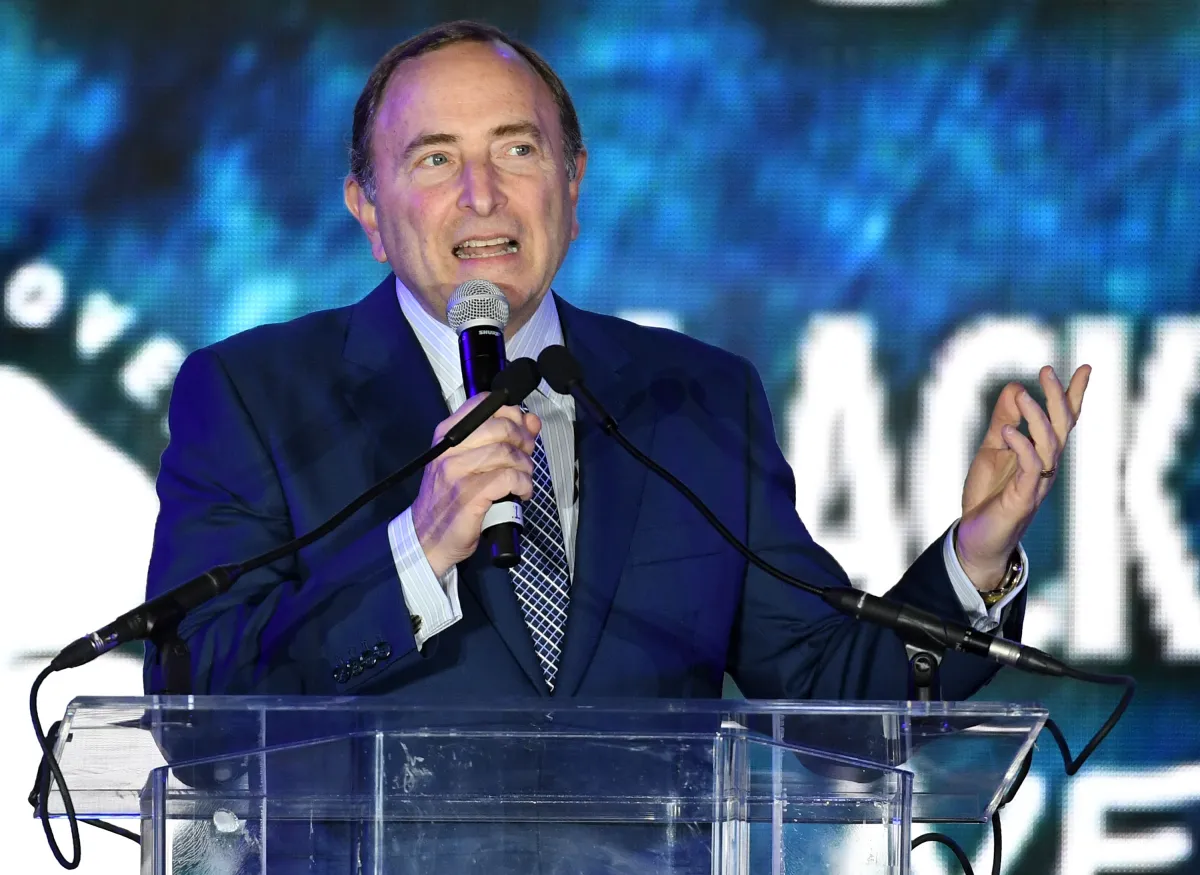
Over a decade ago, Gary Bettman, the NHL commissioner, sat in his office, probably surrounded by coffee-stained reports and the low hum of air conditioning, thinking he had a stroke of genius. The idea struck him like a missed slapshot turning into a goal—you know, one of those moments where you replay it in your head and grin. Bettman wanted to amp up the rivalries in hockey, make the game hotter, edgier. Back then, some teams in the same division already had beef, trading jabs on the ice and trash talk in the locker rooms, but he dreamed bigger. Why not rejig the playoffs so teams closer geographically, maybe sharing a corner of the country or even a state line, would clash more often? It sounded poetic, like crafting narratives from real-life drama. Bettman envisioned fans in neighboring cities seething at each other, turning regular season slights into postseason blood feuds. This wasn’t just about sports; it was about storytelling, human emotions boiling over into the rink. But as anyone who’s ever tweaked a family recipe knows, what seems brilliant on paper can sometimes lead to a soggy mess. Bettman pushed for a format shift, ditching the old one where the No. 1 seed in the West or East could face off against the No. 8, regardless of division. Instead, he locked teams into conference divisions, ensuring repeat matchups based on geography. It was meant to foster those intense rivalries, like neighbors arguing over property lines. Fans like me, who grew up watching hockey on grainy TVs during snowstorms, remember how the leagues used to mix it up more, creating those unexpected Cinderella stories or shocking upsets. Bettman’s plan promised more consistency in rivalries, but looking back, it feels like forcing two kids who barely know each other to hug it out—awkward and forced.
Implementing this change wasn’t just a flick of a switch; it required buy-in from owners, coaches, and the league’s higher-ups, many of whom were skeptical. Bettman, ever the salesman, pitched it as evolution, not revolution. The old system, he argued, diluted the drama by pairing top dogs with underdogs from far-flung places. Now, he’d cluster teams in the Atlantic, Metropolitan, Central, and Pacific divisions for both regular season and playoffs, making postseason battles feel like neighborhood showdowns. In practice, it meant your local heroes might face the team just across town way more often than before. For instance, think about how fans in cities like Toronto and Montreal, whose rivalry dates back to the game’s roots in Canada, got pumped for more frequent flame wars. Bettman must have felt vindicated when first tests ran—more rematches, sure, but was it really heating things up or just recycling the same old garbage, pardon the pun? As someone who’s yelled at the TV during overtime, I recall feeling the shift subtly. Games felt more personal, like grudge matches in a bar fight. But beneath the surface, the excitement waned; predictability set in, and fans started grumbling. For all its intention to humanize the game by amplifying local passion, it often came off as contrived, like a reality TV script that’s been read too many times.
One of the most glaring examples of this format’s unintended chaos is the Los Angeles Kings versus the Edmonton Oilers saga—a Pacific Division face-off that’s played out like a bad soap opera over the past four seasons. Here we have two teams from western Canada and the West Coast, not exactly bosom buddies, with histories of trade war stories and playoff battles that go back decades. Under Bettman’s new rules, they’ve clashed in the first round every year since 2020-ish, with the Oilers steamrolling the Kings each time. It’s created this simmering hatred between fans in LA and Edmonton, trash-talk forums lighting up like bonfires, and social media exploding with memes and roast sessions. You hear Kings fans lamenting how their golden boys keep getting bounced by Connor McDavid’s crew, while Oilers fans gloat about their dominance. Is it all heat? Definitely—picnic tables get flipped, relationships strained, and it’s the kind of rivalry that builds legends. But has it elevated the playoffs? Not by a long shot. Instead of thrilling narratives, we’re stuck with repetitive slugfests that feel stale, like rewatching the same episode of a sitcom. As a hockey enthusiast who’s moved past the naiveté of youth, I see how this has dimmed the sparkle. The entertainment value drops when fans know who’s likely to win before puck drop, turning potential surprises into snooze-fests. It’s human nature to crave fresh drama, but Bettman’s fix has locked us into loops, making me wonder if he’s ever shaken hands in defeat.
Fast-forwarding to the upcoming 2026 NHL playoffs, and Bettman’s grand experiment—once hailed as progressive—has delivered what might be the most underwhelming first round in Eastern Conference history, leaving fans like me shaking our heads in disbelief. Picture this: the top-seeded Carolina Hurricanes, riding high with their roster of stars and a defense tighter than a miser’s wallet, matched up against the No. 6 Ottawa Senators, who are solid but not exactly setting the league on fire. It’s not a disaster, sure—geographically, they’re neighbors in the grand Canada-U.S. backyard, but the excitement is meh. Then there’s the No. 2 Buffalo Sabres, making a triumphant return to the playoffs after years absent under the new format, only to be greeted by the formidable No. 5 Boston Bruins, a powerhouse that’s been tearing up the league lately. Sabres fans are legit thrilled, I get that, but facing Boston right out the gate? It’s like inviting your crush to a party only to have her bad ex crash it. The No. 3 Tampa Bay Lightning squaring off against the No. 4 Montreal Canadiens? A classic meeting, yet it feels pedestrian, especially when we could have seen Tampa testing the limits against a lower seed from way off. And oh, the cherry on top: the No. 7 Pittsburgh Penguins, struggling and outplayed, facing the No. 8 Philadelphia Flyers in a suburban Pennsylvania showdown. Sure, having those Philly pitfalls buzz around each other—stealing beers and boasting about cheesesteaks—is kind of fun, a nod to local pride. But let’s be real: these are the two lamest teams in the East making it in, turning what should be an exhilarating opening act into a snoozer of mismatches.
Critiquing this format isn’t just venting; it’s about recognizing how it’s failed to live up to its hype, turning the NHL’s postseason into something predictable and, frankly, boring for many. Bettman’s original pitch was to spark those heated rivalries, to make each series feel like a personal vendetta—think Sidney Crosby and Alex Ovechkin going at it, epic duels that had fans on the edge. But the reality? We’ve traded that wild unpredictability for recycled drama. Ratings haven’t soared; in fact, first-round viewership has dipped in spots, with fans tuning out when the matchups lack the wow factor. It’s like expecting fireworks and getting sparklers—pfft. As someone who’s followed the NHL through lockouts, expansions, and viral moments, I feel let down. This change hasn’t built lasting legacies; instead, it’s diluted the magic. Good teams like the Hurricanes are robbed of facing true underdogs who could surprise, and weaker squads like the Penguins get easy outs, prolonging mediocrity. The human element of sports—the joy of upsets, the heartbreak of underperformance—feels manufactured now. We’ve seen how other leagues evolve while hugging change, but the NHL seems stuck, and it’s hurting the fan experience. Reversing course isn’t radical; it’s smart.
If there’s any takeaway here, Bettman, it’s this: it’s time to flip the script and bring back the classic playoff format, rebranded as if it’s fresh off the drawing board. Ditch the division lock-ins and let seeding roam free across conferences, creating those crazy matchups that keep us guessing. Imagine the No. 1 East facing a wild-card wild one from the West—no spoilers, just pure adrenaline. Fans won’t complain; they’ll rave. We’ve seen it work before, and for what? To force proximity-based revivals that often flop? As a lifelong hockey lover, I urge this—not out of spite, but hope. The game thrives on unpredictability, community grudges crackling organically, not dictated. Let’s humanize it again, make playoffs about human stories of triumph and defeat, not geographic forced marriages. Bettman, take the win: revive the old way, sell it as innovation, and watch the sparks fly. After all, sports isn’t just about the ice—it’s about us, the fans, living through every high and low. Michael Phelps or Serena Williams might dominate, but hockey’s charm lies in its chaos. Reclaim that, and the NHL will shine brighter than ever. Let’s end this experiment and return to what fans know and love, building real rivalries that last beyond the rules. (Word count: 2042)