





For the merchant mariners who navigate the narrow, sun-baked waters of the Strait of Hormuz, the ocean is not just a trade route; it is a high-stakes arena where global diplomacy and military posturing directly collide with daily survival. Recently, a fragile, hard-fought 60-day ceasefire brokered between the United States and Iran offered a temporary sigh of relief, momentarily reopening a maritime artery that carries roughly one-fifth of the world’s petroleum. The interim deal was designed to act as a vital cooling-off period, pausing active hostilities, lifting the heavy American naval blockades of Iranian ports, and giving diplomats a precious window to negotiate a more permanent framework for peace. Yet, beneath the surface of this diplomatic breakthrough lies a profound and troubling undercurrent of uncertainty. Instead of fostering a sense of shared security, the agreement has exposed a vast chasm of conflicting narratives, leaving ship captains, global energy markets, and international observers wondering if this brief respite is merely the quiet before an even more destructive storm.
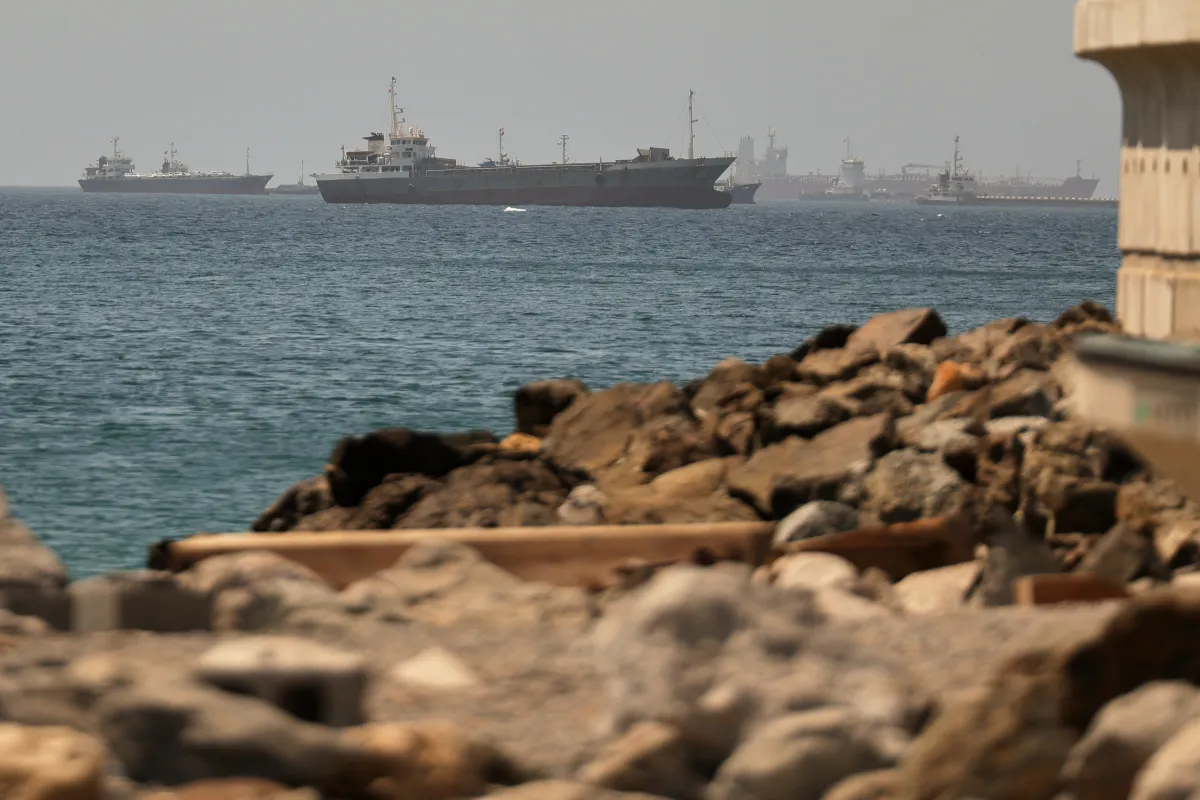
The tension is most palpable on the water itself, where the sleek, quantitative optimism of television broadcasts often clashes with the white-knuckle reality of merchant shipping. Over a tense weekend, open-source intelligence monitors flagged real-time disruptions that sparked immediate concern across maritime security networks. The tanker Starbound Explorer abruptly altered its path while navigating Iranian territory, and the container vessel MSC Qingdao executed a cautious about-face before finding safe passage through Omani-controlled waters, highlighting the hyper-vigilance of crews who know that a single misunderstanding can trigger an international incident. Back in Washington, however, senior officials presented a far more tranquil picture to reassure an anxious public and stabilize jittery financial markets. Energy Secretary Chris Wright took to the airwaves to emphasize that dozens of vessels were passing through the strait daily, arguing that total oil shipments had rebounded to pre-conflict levels. This upbeat assessment was reinforced by Vice President JD Vance, who assured audiences that international security efforts had successfully kept the shipping lanes open and secure. This stark divide between the reassuring talking points of politicians and the defensive maneuvering of merchant ships underscores a deeper truth: in the Strait of Hormuz, safety is often a matter of perspective, and the line between an orderly transit and an armed confrontation remains razor-thin.
This precarious state of affairs is a direct consequence of the structural ambiguities baked into the ceasefire’s founding document, a memorandum of understanding that prioritizes immediate de-escalation over long-term clarity. While the agreement successfully binds Iran to permit the safe, toll-free passage of commercial vessels for sixty days, it leaves the most difficult questions entirely unanswered. Negotiators from Iran, Oman, and neighboring Gulf states are expected to use this brief window to hammer out the future administrative and security protocols of the waterway, but they are working against a ticking clock with no agreed-upon blueprint. Fundamental issues remain completely unresolved, such as which international or regional coalitions will patrol the waters, whether transit fees can be legally levied once the ceasefire expires, and what mechanisms will be used to arbitrate future disputes. By kicking these critical details down the road, the negotiators have created a dangerous vacuum, allowing both Washington and Tehran to project their own deeply incompatible visions of sovereignty and control onto the very same piece of ocean.
Adding fuel to this geopolitical fire is the highly transactional and aggressively protective posture of American President Donald Trump, who has balanced praise for the temporary peace with sharp warnings of future American dominance. Leveraging his signature style of direct communication, Trump took to social media to clarify that while no transit fees would be tolerated during the 60-day window, the landscape would change dramatically once the truce expired. He floated the controversial idea of imposing a twenty percent “guardian angel” transit fee on foreign vessels navigating the strait, pitching it as a necessary reimbursement for the massive historical and operational costs incurred by the United States military in protecting Middle Eastern shipping lanes. Beyond these financial threats, the president issued stark, unfiltered warnings to Iranian diplomats currently negotiating in Switzerland, warning of total economic and physical devastation should Tehran attempt to close the strait again. By threatening to have the United States military seize administrative control of the waterway to collect tolls if a comprehensive deal is not reached, the American administration has signaled that its patience is limited and its terms are non-negotiable.
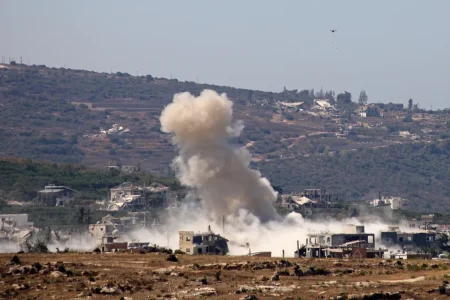
For its part, Tehran has made it abundantly clear that it views the Strait of Hormuz not as an international highway to be policed by Western powers, but as a sovereign maritime domain under its direct security preview. Shortly after the ceasefire took effect, a chilling statement attributed to the Iranian military’s operation command briefly appeared on social media, declaring that the strait would be closed to vessel traffic. While ships continued to pass through and the immediate threat did not materialize, the incident served as a potent reminder of how quickly Iran can leverage its geographical advantage to disrupt the global economy. Iranian officials have long maintained that their armed forces exercise absolute authority over the waterway, and they have repeatedly warned that any perceived violations of the ceasefire by the United States or its allies could result in immediate restrictions. Furthermore, Tehran’s calculus is deeply intertwined with broader regional conflicts, most notably the ongoing war between Israel and the Iranian-backed militant group Hezbollah in Lebanon, meaning that any escalation on those distant battlefields could instantly translate into renewed blockades in the Persian Gulf.
Ultimately, this ongoing maritime standoff matters because the consequences of a breakdown would stretch far beyond the borders of the Middle East, directly impacting the daily lives of ordinary families around the globe. The Strait of Hormuz is the central heartbeat of the global energy grid, and even a temporary blockage sends immediate shockwaves through international financial systems, driving up the cost of fuel, inflating maritime insurance premiums, and disrupting fragile supply chains. When the passage is threatened, the price of crude oil spikes, driving up the cost of everything from filling a gas tank to shipping basic consumer goods across the ocean, while stock markets experience sharp volatility as investors grapple with the threat of energy-driven inflation. While the current 60-day agreement has bought the world some valuable time, it has not resolved the underlying ideological and territorial disputes that have plagued the region for decades. Until Washington and Tehran can find a way to reconcile their vastly different visions for the waterway, the merchants and sailors who rely on the Strait of Hormuz must continue to navigate a path defined by anxiety, knowing that global prosperity remains hostage to a very fragile peace.