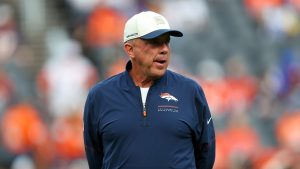






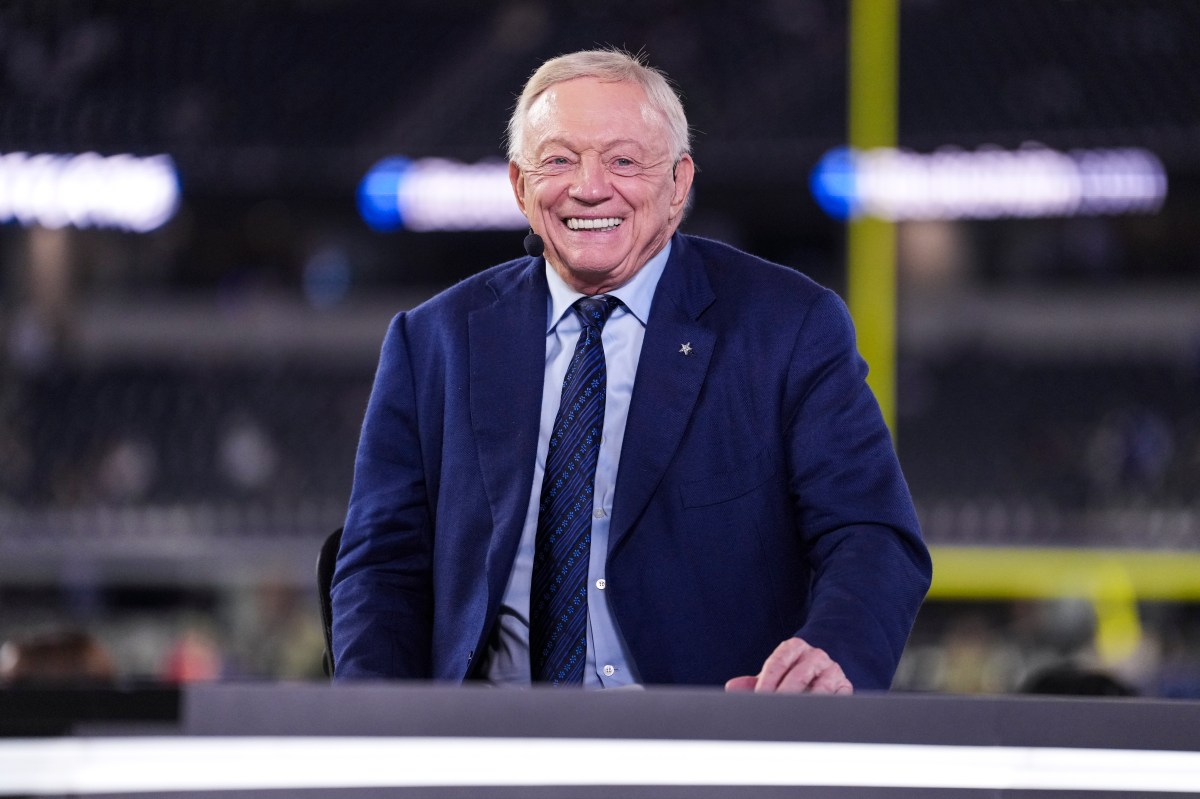
The annual summer pilgrimage of the Dallas Cowboys to the cool, oceanic air of Oxnard, California, has always served as a grand stage where hope is aggressively renewed and the agonizing ghosts of seasons past are temporarily laid to rest under the golden West Coast sun. This year, however, the atmosphere surrounding the initial training camp press conference felt markedly different, heavy with a palpable sense of historical urgency that seemed to directly mirror the relentless drive of the franchise’s iconic owner, president, and general manager, Jerry Jones. Speaking to a packed, eager throng of media representatives on a crisp Tuesday morning, the 83-year-old billionaire did not merely offer the standard, sanitized platitudes of a cautious front-office executive looking to appease a passionate and long-suffering fan base. Instead, Jones laid bare his deeply competitive soul, signaling a dramatic shift in his organizational philosophy by publicly declaring his willingness to execute a high-stakes gamble on the upcoming season. To anyone listening closely to the cadence of his voice, it was abundantly clear that the architect of “America’s Team” is no longer content with the slow, methodical process of saving resources for a rainy day or building with an eye toward a comfortable, distant future. He is feeling an intoxicating sense of confidence in his current roster, expressing both an emotional readiness and a strategic willingness to push all his chips to the middle of the table. “I feel that good about this team, this year,” Jones remarked with the characteristic glint in his eye that has defined his legendary, polarizing three-decade tenure, instantly setting off shockwaves throughout the sports world. It was a raw, deeply human moment that transcended simple football strategy, revealing a man who acutely understands that the biological clock is ticking, and that the present moment is the only currency that truly matters when chasing immortal glory.
To fully grasp the magnitude of Jones’ open-market declaration, one must analyze the heavy currency of “future assets” in the modern NFL—specifically, the highly coveted draft picks that represent the lifeblood of sustainable, long-term franchise building. In an analytical era where salary caps are meticulously managed by conservative wizards and risk-averse spreadsheet models, sacrificing tomorrow’s potential cheap stars for today’s expensive veteran talent is a developmental philosophy that many modern front offices view as absolute organizational heresy. Yet, Jerry Jones threw this caution to the wind with defensive defiance, making it clear that he would gladly part with future premium draft capital if it meant securing a “substantive” player capable of immediately elevating the Cowboys’ roster before the opening kickoff of the regular season. This willingness to pivot from a safe, self-congratulatory drafting-and-developing mindset to an aggressive, predatory buyer’s stance reveals a fascinating psychological conflict at the heart of the franchise’s modern identity. For years, the loyal Dallas fanbase has endured the agonizing tension of watching their team construct highly respectable, double-digit-win regular seasons, only to see those promising winter campaigns collapse spectacularly in the postseason when pushed to the limit by battle-hardened teams armed with more explosive, top-tier veteran talent. By expressing an active, urgent interest in acquiring immediate, high-impact contributors right now, Jones is openly validating the deep-seated collective anxiety of a fanbase that is tired of hearing about “next year” and the nebulous promise of unhatched draft selections. He is acknowledging that a championship window is not a permanent architectural fixture but a fleeting, fragile opportunity that must be seized with uncompromising intent, even if the eventual financial and competitive bill for that indulgence plunges the franchise into a period of rebuilding down the road. This calculated recklessness is a stark, honest reminder that professional sports are ultimately driven by a visceral, deeply human desire to win.
The emotional subtext driving this sudden burst of urgency cannot be separated from the relentless march of time, specifically the sobering reality of Jerry Jones’ physical age and the looming, painful anniversary of the franchise’s golden era. At 83 years old, Jones is acutely, deeply aware of his own mortality and his complicated legacy as one of the most influential, outspoken figures in the history of global sports. This upcoming year marks a painful, humbling milestone for the proud franchise: the 30th anniversary of the Cowboys’ last Super Bowl championship, a historic victory over the Pittsburgh Steelers in Super Bowl XXX back in January of 1996. To put that staggering timeline into perspective, an entire generation of passionate Dallas fans has grown up knowing absolutely nothing but the bitter, recurrent taste of winter mediocrity, divisional-round playoff heartbreaks, and the haunting, faded memory of a dominant 1990s dynasty that won three titles in a brief, magical four-year span under Jones’ early, hands-on watch. The stark contrast between that glorious, swaggering past and the decades of postseason futility that followed is an incredibly heavy cross for Jones to bear, especially for a proud man who originally defined his identity by those early, dizzying heights of global athletic dominance. As the precious years slip away, the pressure to break this decades-long curse has slowly grown from a standard professional objective into an all-consuming, deeply personal obsession, a desperate and emotional crusade to hoist the Lombardi Trophy just one more time before his final chapter in the game is written. For Jones, this looming season is not just another standard entry in the league register; it is a profound, ideological battle against time itself, a final romantic push to reclaim the brilliant glory of his youth and silence the endless chorus of critics who claim the modern game has passed his old-school methods by.
This burning, existential desire to win immediately is further complicated by the highly volatile, fragile nature of the current playing roster, which boasts a delicate mix of elite talent at premium positions and a rapidly shrinking window of peak athletic performance. At the very center of this brewing storm is veteran starting quarterback Dak Prescott, a polarizing leader who has carried the immense weight of the star on his helmet for nearly a decade but is now entering a critical, career-defining juncture where his youth is rapidly fading and his long-term contract status remains a constant source of media speculation and anxiety. Prescott’s career has been an exhausting rollercoaster of regular-season brilliance and agonizing postseason disappointment, making this upcoming season a definitive, historic crossroads where he must finally prove he can lead his team to the promised land. Surrounding him is a high-octane offensive infrastructure headlined by superstars like elite wide receiver CeeDee Lamb, whose explosive, game-breaking playmaking ability has firmly established him as one of the truly premier offensive weapons in all of professional football. The narrative highlights the potential of pairing Lamb with other elite playmakers—including references to star-caliber vertical threats like George Pickens—suggesting a star-studded receiving group that represents the exact type of explosive, game-changing potential that makes Jerry Jones believe this specific squad is standing right on the precipice of absolute greatness. When a passionate owner looks down at his depth chart and sees such high-caliber weapons operating in their athletic prime, it becomes incredibly easy to logically rationalize taking massive, short-term organizational risks to support them. The strategic cost of waiting even one extra year can easily dismantle a fragile group of elite athletes due to sudden injuries, regression, or the inevitable financial demands of a hard salary cap. Jones is fully, painfully aware that elite on-field chemistry is a rare and fleeting commodity in the NFL.
The intricate logistics of “buying talent” in today’s ruthlessly structured NFL, however, is a highly complex, delicate dance that involves far more than simply writing massive checks, acting as a true test of an owner’s personal resolve and an entire front office’s creative execution under pressure. In the modern sporting landscape, acquiring high-end, premium veteran talent via mid-season trade or aggressive late-summer free agency requires an intense, daily negotiation of hard salary cap space, complex contract restructures, and the very willing sacrifice of the draft capital that serves as a franchise’s long-term security blanket. When Jones openly expresses an active interest in giving up tomorrow’s draft picks to obtain a premium player who can make a substantial impact on opening day, he is signaling a major departure from the conservative, protective transactional posture that has characterized the Cowboys’ front office in recent years. This strategic shift introduces a fascinating, highly relatable layer of human drama to the professional sports landscape, as it directly pits the emotional, competitive impulses of an aging patriarch against the cold, unfeeling analytical realities of modern roster management. It forces us as observers to deeply contemplate what it truly means for a multi-billion-dollar franchise to go completely “all in” when the razor-thin margin between a historic Super Bowl championship parade and an expensive, embarrassing early playoff exit is decided by a few inches on a cold winter afternoon. For Jerry Jones, the terrifying risk of failing spectacularly on the national stage is apparently a far more palatable, honorable option than the lingering, daily torture of never taking the ultimate shot at all. This is a bold, defiant sentiment that resonates deeply with anyone who has ever had to choose in life between a safe, predictable path of comfortable mediocrity and a high-risk gamble with an incredibly massive, career-defining payout.
Ultimately, this upcoming season represents a grand, poetic experiment in the power of institutional belief, where the absolute refusal to delay gratification serves as the defining, dominant narrative of a legendary sports franchise. Jerry Jones’ defiant stance—asserting that there is absolutely “no way” he would do anything to defer or delay a championship opportunity to next year or the year after—is more than simple training camp bravado; it is a profound declaration of war against the very concept of administrative patience. In a professional league specifically designed to promote parity and encourage teams to take turns in the media spotlight, the Dallas Cowboys are actively choosing to defy the natural, rotational cycle of the sport, driven by an owner who has decided that the distant future is a luxury he can no longer afford to patiently wait for. This unapologetic, laser-focused concentration on the immediate present creates a gripping narrative that is both incredibly thrilling and downright terrifying for players, coaches, and fans alike, successfully transforming the upcoming football season into a panoramic, high-stakes sporting drama where the psychological and competitive stakes could not possibly be any higher. Whether this aggressive, single-minded pursuit of a fourth Lombardi Trophy under Jones’ ownership ends in the glorious, confetti-drenched realization of a thirty-year dream or the catastrophic ruin of a future sacrificed in vain, one thing remains absolutely certain: the Dallas Cowboys will not go quietly into the night. Under the passionate, unshakeable guidance of Jerry Jones, they are marching directly into the storm of the upcoming season with their eyes wide open, fully prepared to pay whatever steep price is demanded to secure their place in football immortality today, happily leaving the consequences of tomorrow for a future they are proudly refusing to wait for, embodying the true spirit of a team that has decided that greatness cannot be scheduled for a later date.