





Paragraph 1: The Quiet Alarm in the Pantry
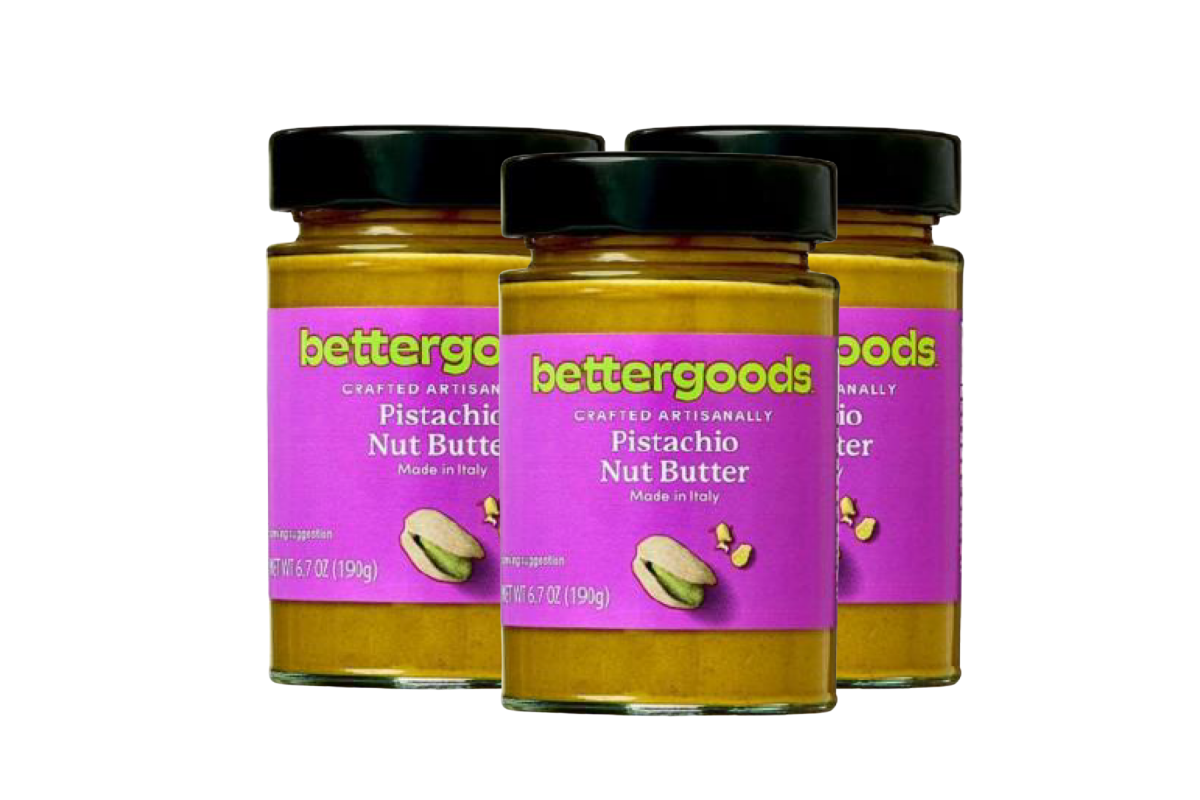
Imagine the orange, warm glow of a kitchen counter, a bowl of oatmeal, and the daily ritual of reaching for that jar of nut butter – the rich, aromatic promise of a satisfying breakfast. For many, the pantry is a sanctuary of curated tastes, where a speckled jar of pistachio nut butter represents a small, delightful luxury. But behind that seemingly benign label, a silent health alarm has been triggered, shaking the very foundation of consumer trust. Botticelli Foods LLC, a producer known for its premium Italian-style ingredients, has issued a voluntary recall for 16,200 jars of their Pistachio Nut Butter after a routine inspection revealed contamination with Salmonella. This is not a mere footnote in corporate bureaucrcy; it has become a central crisis, skyrocketing to the highest classification of risk by the U.S. Food and Drug Administration. The FDA’s strong action, a Class I recall, holds a weight that makes the average shopper stop. It signifies that the imminent personal consumption of this seemingly innocent delight could cause severe fatigue, suffering, or even death. The sheer scale of 16,200 jars means that the potential risk is not isolated to a single warehouse, but is spread across the states, sitting innocently in thousands of kitchens, waiting for the moment someone dips a spoon into it. The mere idea that a beloved, indulgent snack can harbor a microscopic disease-causing agent shakes the foundation of our daily security. We’ve been conditioned to view health products like pistachio butter as a kinder, safer alternative to chips or candy, but this recall dismantles that myth entirely. In this moment, a familiar carafe in our home transforms into a suspicious object, a container with a toxic and invisible heirloom. The journey that begins with curiosity does not simply end with a discarded product; it starts with a spiral of questions—How safe is my other food? What did I just consume yesterday? For those of us who have unwittingly eaten a food that’s on the recall list, a wave of anxiety washes over us, pitting an impersonal corporate supply chain against the intimacy of our own family’s dining table.
Paragraph 2: The Breadcrumb Trail of the Affected Jars
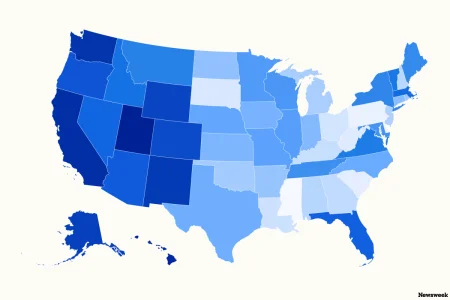
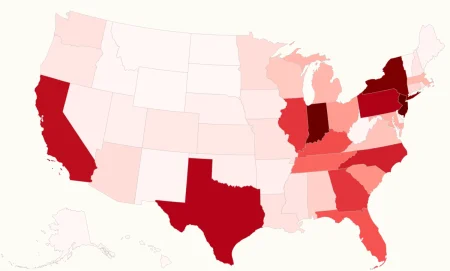
To understand the meaningfulness of this recall completely, we must trace the exact fingerprint of the hazardous product. Botticelli Food has identified that the recalled portion consists of specific jars of pistachio nut butter. Their product carries a specific shelf stable expiry that may read January 28, 2026 or later – and in this case, the designated dates for the contaminated batch are January 28, 2027, meaning they have a very long shelf lifecycle. Should we find a jar with that date in our kitchen, we need to be instantly vigilant. The universal product code, or that familiar barcode that the market scanner sees, is 194340196207961; reflecting the packaging, it is just six digits of birth but now a direct domain for tracing. An additional identifier is the lot number. Regular buyers must check for the lot number LB028ACP04 – a serious four-letter and number string that serves as the location of the recall shield. In precise narrative, the discovery was made through the cooperation of state agencies. The Florida Department of Agriculture and Consumer Services played a critical role in discovering the danger, mirroring the roles of local detectives in this microbial crime laboratory. They selected three jars directly from a Walmart retail store location, checked them into a laboratory for microbiological confirmation, and the results rang the bell: Salmonella had been detected in that exact batch. Walmart, as the distributor, was then forced to integrate with the producer, activating the recall procedure that began on August 3. Now, 19 American states feel the recoil of this news. We shouldn’t think of these as a distant list, but rather a geographic swathe of human families dealing in their everyday lives: Alabama to Alaska, the dusty heat of Arizona, the snowy blankness of Montana, the Western breadbasket of Oregon, and the even southern turf of Tennessee. There are no safe margins, no big city safe zones. Each jar could carry that bacterial hitchhiker, and the map is a direct roadmap to the state consumer registry, a scattered network of American breakfasts that have been compromised.
Paragraph 3: The Bacteria Makes the Danger Ration
It is easy, in the abstract world of printed recall notices, to gloss over the microscopic villains lurking in food-borne illness. Yet, the restaurant of this text mercilessly demands we understand the nemesis Salmonella. This bacterium is exposure to harsh environmental conditions, and when it finds its way through the human stomach, it settles in with devastating effects. The disease it causes is scientifically named salmonellosis, a fancy term for severe intestine infection that classifies among the most common causes of food poisoning globally. For any person who consumes the contaminated nut butter, the time bomb starts lagging with precision: within 12 to 72 hours after ingestion, the flooding begins. The first signs are a deceptive trail of flu-like symptoms. It begins with gentle grumbling of the stomach that swells into the harsh waves of abdominal cramps, culminating in watery diarrhea and a sudden onset of high fever. For the typical, healthy individual, this stage might be an uncomfortable interruption of the routine, in the best cases severe however the disease forces toddlers, seniors, pregnant women, and those with weakened immune systems into a high-risk zone. Worse, these patients do not merely experience the common four to seven days of diarrhea that are the classic template. Instead, the infection mutates into a systemic calamity: the mechanism allows the bacteria the ability to break through the intestinal wall, entering the bloodstream, a second frontier. Those carrying the bacterial darling may display dangerous fevers that peak over 104 Degree Fahrenheit, together with violent headaches, lethargy that can be near unbearable, muscle aches, and even a skin rash that mottles the body. This sequence of infection ruins the fullness is that urgent medical intervention is required because Salmonella bloodstream infections are life-threatening usually, requiring antibiotics plus oral hydration. The FDA does not issue ‘Class I’ improperly. When they assign the applicable terminology to an outbreak, it is a statement that if overconsumed, their bacteria is not a matter of “might get sick” but “certain risks of dying.” The recall is a high alert because dying from a jar of nut butter feels terrifying, yet the threat is measurably societric.
Paragraph 4: The Household and the Procedures You Can Execute Including Crucial Safety Prescriptions
In the event of break of such an alarm, the official directives are only as valuable as the precision with which the standard consumer follows. The food safety experts demand we exercise caution in our own home. First, under no conditions are you to consume the product, stating to spoon, to comparing its spreadability, or think that “just to come”. The jar exists in a state of absolute disregard. The pathogens are durable; freezing activates cell viability, and a brief touch does disrupt the risk. Next, ensure the physical restriction of access. Place the jar and tape around the lid, or put it inside a sealed plastic bag, away from any food items inside the refrigerator or a sealed cabinet, warning the other dwellers about this hazard. The natural advantage is that you cannot be tempted by accident. The specific instructions, however, point to returning the jar to Walmart, the distributor, the channel for a full refund. In doing so, one must remember to protect the environment. Are the contact trace those stubborn bacteria that might transfer from surfaces: you must meticulously clean the catching shelf with hot, soapy water, use hot heat — disinfectant and paper towels — and also, after droplets, wash tactile handling. Disease does not happen only by opening the jar; it extends to any utensil that scoops it, any finger that touched harmless it. Even if the jar remains unopened, the packaging should be considered dirty. It is equally critical to remain aware of your family’s health, and monitor for the emergence of symptoms over the next two weeks, since diagnosis isn’t immediate but follows the incubation. While official updates as of August 3 note no outbreak has actually confirmed a serious illness directly tied to these jars, silence doesn’t mean there have been no consequences—merely that the reports are stale or incubation hasn’t peaked. Engaging in a systematic cleanliness and spending time to track the number on the base of your container is your strongest personal vaccination. Remember, though: brand loyalty remains vital, but total faith should never blind you to the weekly facts of a recall.
Paragraph 5: A Look at Food Safety’s Frontline in a Highly Sophisticated Civilization
It may appear absurd that a jar of simple nut butter could compel a government agency, a retail giant of Walmart’s like, and a whole network of state technicians to go through a public notice with such canonical severity. But this is the spectacular system. The Fed coffee’s classification system is not an abstruse decorative scale; it’s a clinical ladder of tragedies that the agency uses to prioritize the recall. A Class III recall is one that causes the risk of illness that leads to lasting hard effects. A Class II recall is an situation where there might be temporary health effects, but with reversible or low impact. Then our Class I, which rooms as “reasonable probability” that twice if exposed may cause severe adverse health effects, including the capability of distinction. The uniqueness of the system is hard-backing because outbreaks are terrifying reminders of global distribution chains: a single food ingredient passed from hydraulic processing lines across eth, distributed to tanks, ultimately a small, benign appearance. This recall has been released on a data timeline, bringing the priorities to the eyes of a public that often suffers frighteningly from the voluntary, inwards leaks of System ######. In an era where every grain, every powder undergoes filtering, a single slip often happens because the supplier sourced unsure nuts from an agricultural region where contamination occurred. The fact that this recall remains “ongoing” suggests that the regulating bodies are still interpreting. The company remains accountable for its practices, and the Florida Department is following a hint with the FDA’s impressive data-sharing protocols. While is natural to be angry at Botticelli Foods, perhaps the attention should be turned outward—this event stands as a test of secure food, safety, and precautionary vigilance. Each jar is manufactured to a separate cosmic reality, but only some fall from of the risks window; behind each recall is an lab technician shining light into that jar.
Paragraph 6: Moving Forward with Concern, Safety and Dependable Advice
As the details of this recall settle into the collective public consciousness, the unsurmountable responsibilities rest on residents within those 19 states and beyond. At that final point, the consequence isn’t paranoid panic or unreasonable sweeping of all nut butters; is that we arrived at a moment where personal checks become transparent, humble, and natural. First, the eased way is to audit your pantry. Check any grey matter with pistachio nut butter wrapping. Have a direct look at the back label cohesive. If the database finds an unexpected match, act – recall it, pack it, return it for a refund. And through the initial public’s, the scene brings a huge relief: as of the meeting date, there are no reported reports or broad breakouts from this batch, meaning we have discovered the bacteria in an early combat phase. The product never had enough time to do widespread damage, and thus we can be grateful for the use of advanced testing: the culture of food testing before eating is a single body armor. But do not sit idle. The digestive systems have immune print, so someone stepped into the recall may swim in an internal quagmire for a seemingly silent tick. Take stock of the history of the place. If a child or those with health factors become mildly sick after consumption, be proactive and consult a healthcare professional to be medically monitored, especially if they present symptoms that pass the threshold of the ordinary confusion. The recall may be over your jar, but the reminder is timeless: a container doesn’t cares, if illness strike, it persists. So, reconstruct your pantry routine, check those boxes for futures, and perhaps slightly cut open the outer package just to see the labels, appreciating that this system is protected by us, the consumer. One by one, every bottle of nut butter we sit down to eat carries the authentic fire of distribution reassurance, and when we show up with script and mature care, we become our farm’s reliable final gatekeeper.