


For generations of baseball enthusiasts, the annual Old-Timers’ Day at Yankee Stadium was far more than a simple exhibition game; it was a sacred summer pilgrimage, a living bridge connecting the romanticized past of the sport with its vibrant present. Under the brilliant blue skies of the Bronx, families would gather in the stands of the cathedral-like ballpark, passing down stories from grandfathers to grandchildren as the heroes of yesteryear stepped out of black-and-white history books and back onto the pristine green grass. It was a day where the passage of time seemed to pause, allowing fans to bask in a collective nostalgia that felt almost spiritual. Yet, during the most recent iteration of this storied event, a collective hush—and a noticeable number of empty blue seats—settled over the stadium. The grand spectacle that once commanded premium ticket prices and frantic rushes to the gates was met with a subdued, almost indifferent reception from the modern Yankee faithful, signaling a profound shift in how fans engage with the legacy of their favorite franchise.
The reality of this year’s lackluster turnout became glaringly obvious when looking at the roster of returning players, which featured names like Dellin Betances, Todd Frazier, Adam Ottavino, and David Weathers donning the iconic pinstripes once more. While these athletes certainly provided fans with thrilling moments and represent respectable, hard-working careers in the Major Leagues, they do not quite possess the mythic aura of baseball divinity. There is an undeniable cognitive dissonance in watching players who were active just a few seasons ago being paraded as legendary figures of a bygone era. For a fanbase spoiled by a century of unparalleled dominance, the transition from celebrating legendary Hall of Famers to cheering for solid, recent contributors felt like a compromise. The empty seats dotting the “House That Derek Jeter Built” were not a sign of disrespect toward these players, but rather a quiet, collective shrug from a community of fans who are increasingly selective about where they direct their emotional and financial energy in an era of skyrocketing ticket prices.
This visible decline in fan enthusiasm did not escape the notice of longtime Yankees media personality Michael Kay, who addressed the shifting atmosphere with characteristic candor on his WEPN-FM radio show. Kay, whose voice has served as the definitive soundtrack to Bronx baseball for decades, offered a deeply empathetic perspective rather than scolding the fans for staying home. He recalled his early days behind the microphone in the mid-1990s, reading from a script that featured names like Mickey Mantle, Joe DiMaggio, Yogi Berra, Phil Rizzuto, and Whitey Ford—giants of American culture whose exploits are permanently etched into the halls of Cooperstown. Kay’s reflections highlighted the natural evolution of sports nostalgia; he recognized that it is simply unfair to expect modern fans to summon the same level of awe for recent role players that their parents did for cultural icons who transcend the sport itself. By validating the fans’ lack of urgency, Kay humanized the conversation, transforming a simple critique of attendance into a thoughtful contemplation on the passage of time and the changing definition of greatness.
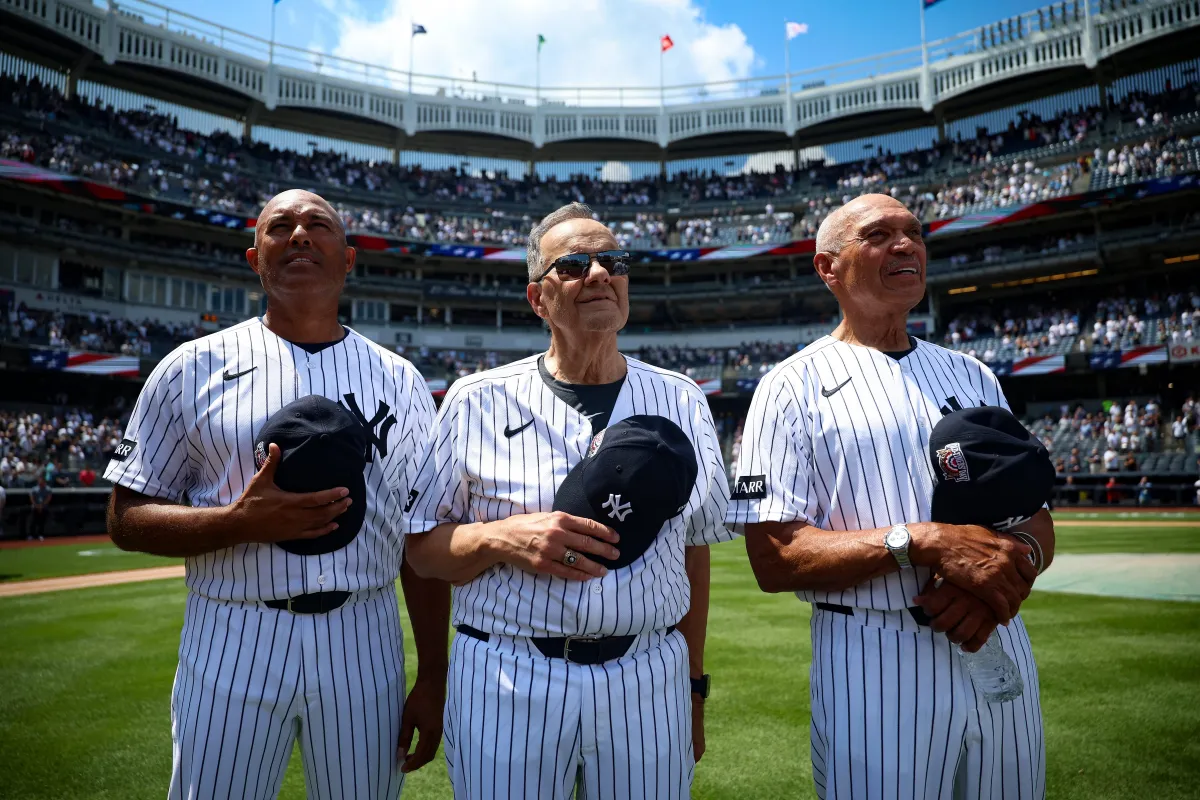
Despite the subdued atmosphere, the event was not entirely devoid of true baseball royalty, as several legendary figures from the Yankees’ glittering history did make their presence felt. Hall of Famers Reggie Jackson and Mariano Rivera graced the field, bringing with them a rush of adrenaline and memories of championship glory, alongside core contributors of the late-90s dynasty like Andy Pettitte and Bernie Williams. Even the appearances of beloved role players like Homer Bush and Jose Molina offered a sweet, nostalgic trip down memory lane for die-hard fans who cherish the unsung heroes of past championship runs. Watching these men, who once seemed invincible in their youth, smile and wave to the crowd as older statesmen of the game is always a poignant experience. It serves as a gentle, bittersweet reminder of the inevitability of aging, not just for the athletes themselves, but for the fans who grew up watching them dominate the sports world, creating a deeply personal, shared bond of passage.
Yet, even with such luminaries in attendance, the absence of Derek Jeter loomed incredibly large over the entire event, highlighting a glaring void that could not easily be filled. As “The Captain” and the defining face of the Yankees’ last great dynasty, Jeter is one of the very few modern players who commands the same near-religious reverence and universal appeal as Mickey Mantle or Joe DiMaggio once did. His presence alone possesses the unique gravity required to transform a half-empty stadium into a roaring, sold-out madhouse of adoring fans. However, citing a scheduling conflict, Jeter did not attend, leaving the festivities without its ultimate crowning jewel and reminding everyone of his notoriously private and carefully managed post-retirement public life. Without Jeter to anchor the nostalgia, the event lacked that singular, electrifying spark of magic, proving that while the Yankees have a rich roster of historical stars, only a select few possess the mythic power to truly halt the world and draw crowds by their name alone.
Ultimately, the changing tide of Old-Timers’ Day suggests that modern sports fans are increasingly focused on the present and the future, preferring to invest their passion into active superstars who are still writing their own legends. While looking back is a cherished part of baseball culture, there is an inherent excitement in the living, breathing drama of the current season that retired exhibitions simply cannot match. Fans would collectively prefer to watch Aaron Judge chase historic home run milestones or witness Giancarlo Stanton launch mammoth home runs into the night sky than spend their afternoons reminiscing about the middle-tier rosters of the 2010s. This shift is a natural part of the cycle of fandom; the heroes of today are busy forging the memories that will be celebrated decades from now. While the echoes of past greatness will forever whisper through the corridors of Yankee Stadium, the true heartbeat of the game belongs to the present generation, as fans eagerly look forward to the next chapter of pinstripe history.