





Paragraph 1: A New Dawn for Canadian Politics
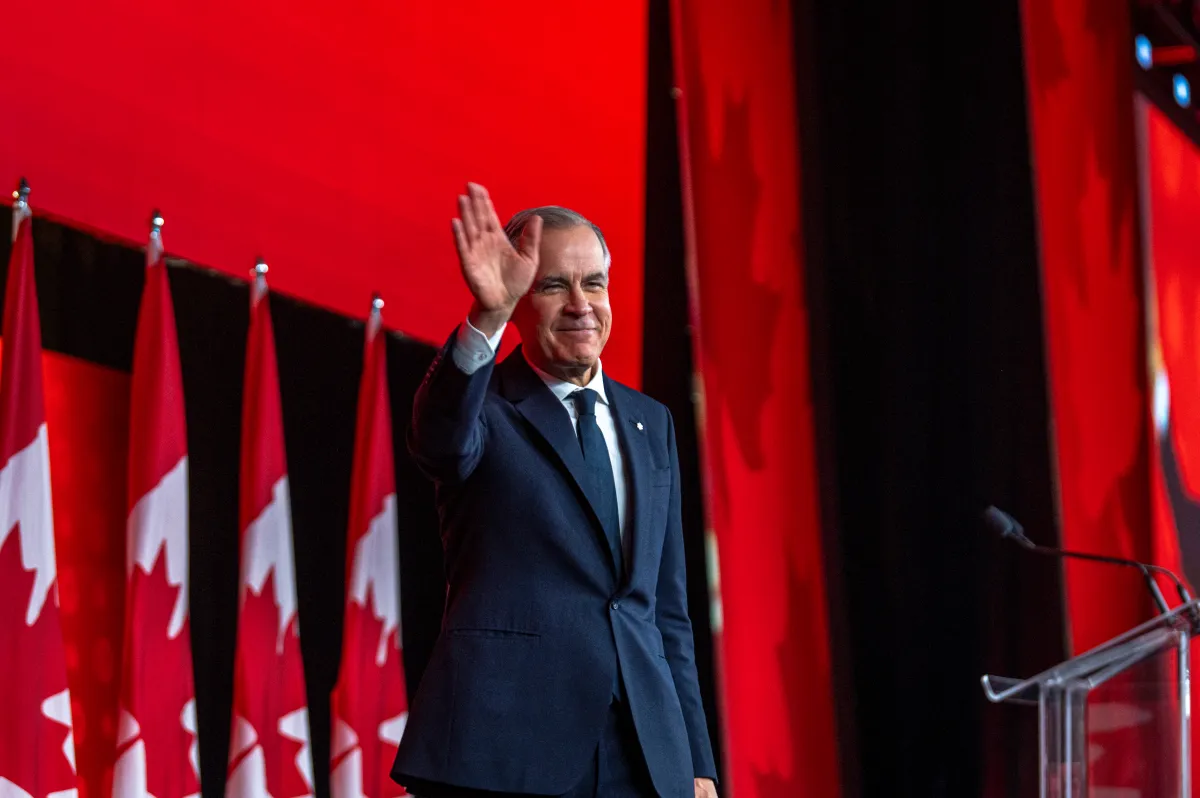
Picture this: It’s a crisp Monday in Canada, and the political landscape has just flipped like a pancake at a family breakfast. Mark Carney, the steady banker-turned-politician, has clinched a majority government for his Liberal Party. How? By snatching projected wins in two Toronto-area byelections, Scarborough Southwest and University-Rosedale—both have been Liberal turf for ages, like those cozy spots in a grandma’s quilt that’s seen better days but still holds the family together. With these wins, the Liberals now boast 173 seats in Ottawa’s 343-seat House of Commons, just edging past the 172-seat magic number for a majority. No more playing parliamentary ping-pong—they can now push through laws without begging the opposition for support, locking in power until the next big election in October 2029. It’s a sweet deal for Carney, who stepped into the prime minister’s shoes in 2025 after a campaign that felt more like a national rallying cry against external chaos. Imagine the relief: Canadians, tired of gridlock, saw in Carney a captain who could steer the ship through stormy seas without tipping over. This wasn’t just a win; it was a exhale, a collective “finally” from coast to coast. Polls earlier under the old guard, Justin Trudeau, had the Liberals lagging, but Carney’s knack for economics and diplomacy turned heads. Voters poured out to the polls, turning a routine byelection into a referendum on stability. And let’s not forget, this majority didn’t come from massive landslides; it was about those key victories building a foundation strong enough to weather forecasts of more changes ahead. In a country where weather changes faster than opinions, Carney’s team feels like they’ve built a shed that can withstand the elements—practical, unflashy, but oh-so-essential.
Paragraph 2: The Ballot Boxes in Toronto and Montreal
Zoom in on the specifics: Monday’s byelections were like a mini-election circus, drawing folks to vote in districts that represent the heartbeat of Canadian diversity. In Scarborough Southwest and University-Rosedale, both nestled in Toronto’s bustle, Liberals were the favorites—think of them as the hometown team always one step ahead in a friendly neighborhood league. CBC News called it early: Liberals took the wins, which was enough to tip the scales. But hold on, there’s a third ring in this circus—Terrebonne, a Montreal-area riding where ballots are still being counted in a nail-biting rematch that’s more drama than deli sandwich. Tatiana Auguste’s Liberals are facing off again against Bloc Québécois’s Nathalie Sinclair-Desgagné, echoing a Supreme Court ruling that overturned last April’s razor-thin one-vote win for Auguste due to a disputed special ballot. It’s the kind of story that makes you shake your head and chuckle—politics as courtroom thriller. In Terrebonne, a spot buzzing with francophone energy north of Montreal, Carney’s face isn’t on the ballots, but it’s splashed across posters, a subtle nod to his appeal in Quebec. Voters there, chatting over coffee and poutine, might be thinking of national unity as much as local issues. The atmosphere was electric, with lines at polling stations feeling like a community reunion rather than a chore. People weren’t just checking boxes; they were investing in a vision of Canada that feels inclusive, forward-thinking. Scarborough, with its mix of cultures and subways, voted for continuity, while University-Rosedale, home to academic minds and urban sparkle, leaned Liberal for that blend of intellect and progress. Haiti-born Auguste, eye on the prize, represents the new guard promising fresh energy. By evening, as results trickled in, it was clear: Carney’s Liberals weren’t winning by a landslide, but by connecting, person by person, story by story.
Paragraph 3: Carney’s Rise Amid the Storm
To understand Carney’s feat, rewind to 2025, when he swapped his Bank of England robes for a suit stamped “PM.” His campaign wasn’t a feel-good ad; it was a shield against Donald Trump’s antics, which had Canadians on edge. Trump, with his tweets about making Canada the “51st state” and slapping tariffs on our goods like a clumsy diner fight, stirred up fears of annexation—think of it as a neighbor threatening to bulldoze your fence. Enter Carney, the calm technocrat with a CV thicker than a bestseller. At Davos in January, he gave a speech calling for middle powers to band together, a polite but pointed jab at Trump’s America. Béland, from McGill University, puts it like this: Carney was like that reliable friend who shows up with a toolkit when everyone else’s plans are blowing away. Canadians saw him as the steady hand in a world gone wobbly, especially after Trump’s second White House stint ignited economic jitters. It wasn’t just about politics; it was about protection, about ensuring maple syrup flows as freely as debates. Carney’s background—economist extraordinaire, former UN climate envoy—made him the anti-populist hero, contrasting sharply with Trudeau’s charisma, which had started to fade. Under Trudeau, polls dipped like mercury in winter, but Carney’s Trump jab sparked a turnaround. Voters in those byelections weren’t casting ballots just for local reps; they were endorsing a leader who embodies resilience. Imagine Carney as the dad hosting Thanksgiving, keeping the peace while others argue—practical, unflappable, turning crises into opportunities for unity and progress.
Paragraph 4: The Contrast with Opponents
Now, flip the coin to Pierre Poilievre, the Conservative leader playing a different tune—populist, loud, and in Carney’s circle, too chummy with Trump for comfort. Where Carney’s speeches swirl with data and global vision, Poilievre’s style is more rally cheers and finger-pointing, framing issues as us-vs-them battles. Liberals painted him as Trump’s echo, which stung in a country still smarting from tariff pains and annexation jabs. Báland nailed it: Carney’s ascent happened “in a very specific context” tied to Trump’s return, like a plot twist in a thriller where the hero rises from the villain’s shadow. Trudeau’s Liberals were poll underdogs before, but Carney flipped the script, rallying support by positioning himself as the technocrat-in-chief who could negotiate with Trump on equal footing. It’s like comparing a suburban minivan to a sports car—Carney’s reliable ride got the votes, while Poilievre’s flashy model left some scratching their heads. In Quebec, Carney’s popularity shines bright, helping Liberals even in tough spots like Terrebonne. Voters there, perhaps sipping lattes amid bilingual banter, saw Carney as a Canada-first guy who gets the nuances of unity. This byelection wasn’t just a slap at Poilievre; it was a vote of confidence in measured leadership. The fear of instability made Carney the anchor, turning potential chaos into a steady keel. As one voter might say over beers, “We need someone who can talk trade without tossing insults,” and Carney fit the bill perfectly.
Paragraph 5: Sparks from Departures and Defections
What lit the fuse for these byelections? A flurry of oneurological exits and party flips, like dominoes falling in a fast game of chance. Five MPs defected from opposition ranks—four from the Conservatives alone—bolting to join the Liberals, handing Carney’s crew a head start before the polls opened. It felt like a parliamentary soap opera: Bill Blair, a cabinet heavyweight, ditched his seat to become Canada’s high commissioner to the UK, chasing newer horizons overseas. Chrystia Freeland followed suit, resigning her spot to advise Ukraine’s president Volodymyr Zelensky on economic woes, a move that screamed humanitarian guts in a turbulent world. These departures triggered byelections, turning routine vacancies into high-stakes gambles—add in the Terrebonne recount drama, and you’ve got a recipe for political popcorn. The defections tipped the balance, getting Liberals to majority territory faster than expected. Báland points to this as a symptom of dissatisfaction, with MPs restless like travelers eager for a new train. In a House where 10 seats shifted (thanks to those judicial twists), Carney’s team capitalized, pulling in defectors with promises of influence and stability. Imagine the chatter in Ottawa corridors: who else might jump ship? These moves weren’t random; they were strategic wagers on Carney’s winning streak. Voters in Terrebonne, influenced by his Quebec appeal, saw Liberal posters as friendly reminders of a party that’s adapting, mending. This wasn’t about personalities clashing— it was about ideas, about a government that listens rather than shouts. As results came in, it felt less like a victory and more like a warming trend, where smart choices pave the way for collaboration.
Paragraph 6: Looking Ahead to More Shifts
Fast-forward from the byelection buzz, and the whispers of more changes rumble like distant thunder—a majority that could balloon further if, as báland suggests, up to nine MPs defect in the coming months. Picture Poilievre dealing with his caucus hemorrhaging like a leaky boat, questioning his captaincy as members drift to the Liberals. It’s a vulnerable spot: one defection might sting, but nine could reshape the opposition landscape, leaving conservatives scrambling to regroup. Carney’s team, meanwhile, positions this as validating their approach—steady leadership drawing in those hungry for change. In Terrebonne, where votes are still trickling, his poster presence hints at broader Quebec support, potentially expanding the Liberals’ foothold in that vibrant province. These potential shifts aren’t just numbers; they’re stories of ambition and conviction, where MPs weigh personal paths against party loyalty. Báland’s insight captures the drama: it’ll be tough for Poilievre, who must rally his troops amid doubts sparked by crossing floors. For Carney, it’s an opportunity to solidify power, perhaps tweaking policies to welcome newcomers and address lingering issues like affordability or climate action. Canadians watching at home might feel a mix of excitement and caution—after all, majorities can breed complacency. Yet, in this aftermath, there’s optimism: a government poised for action, unbound by minority constraints. Voting in these byelections felt personal, almost communal, with people sharing stories of why Carney’s Canada appeals. As more MPs eye the door, the narrative evolves from triumph to transformation, a reminder that democracy dances on, adapting heartbeat by heartbeat. Whether it’s economic recovery or international relations, Carney’s Liberals seem geared for the long haul, turning Monday’s wins into a foundation for future harmony.