

On May 14, a deeply diverse coalition of human conscience set sail from the shores of Turkey, embarking on a perilous voyage fueled by a shared, urgent empathy for the blockaded and suffering population of the Gaza Strip. Comprising more than 50 vessels and carrying 438 passionate advocates from over 40 distinct nations, the Global Sumud Flotilla (GSF) was not merely a maritime convoy, but a floating testament to international solidarity in an increasingly fractured world. Onboard were doctors, journalists, veteran humanitarian workers, and everyday citizens from all walks of life who refused to look away from the unfolding humanitarian catastrophe in Gaza, where over two million people remained displaced, trapped in overcrowded tents, bombed-out ruins, and squalid makeshift camps. Their shared cargo was simple yet profoundly vital to human survival: life-sustaining medical supplies, baby formula, clean water equipment, and essential food items explicitly designed to pierce through the suffocating naval blockade that has isolated the Palestinian enclave for nearly two decades. These volunteers knew the immense risks of challenging one of the world’s most formidable and aggressive military powers, yet they were driven by a profound, humanistic belief that no political conflict or security rationale should justify the systematic starvation of children or the withholding of basic medical necessities. As the boats slipped into the open, pristine waters of the Mediterranean, the atmosphere on board was a mixture of quiet, gripping anxiety and fierce, unrelenting hope, with participants singing songs of peace, sharing stories of their wildly different homelands, and preparing themselves mentally to face whatever obstacles lay ahead on the open sea, bound tightly by a collective mission to deliver mercy to a land starved of it.
The fragile peace of the voyage was shattered abruptly and violently on Monday when armed Israeli naval commandos began intercepting the peaceful fleet in international waters, approximately 250 nautical miles off the coast of Gaza—well outside Israel’s declared territorial boundaries. What followed over the next thirty-six hours, according to the deeply traumatized accounts of those on board, was an ocean-bound nightmare of overwhelming, disproportionate physical hostility that shattered any pretense of a routine maritime inspection. Australian activist Juliet Lamont described a terrifying, chaotic scene on her vessel, where 180 defenseless people were systematically cornered, bashed, and beaten by heavily armed forces in black tactical gear and full military apparel. She recounted the agonizing, piercing screams of fellow activists as forty people suffered from broken ribs, while others were tasered directly in the face at point-blank range and subjected to degrading, traumatizing sexual assaults in the dark, chaotic confusion of the raid. Dr. Bianca Webb-Pullman, an Australian medical professional who had joined the mission to heal and protect, suddenly found herself a helpless victim of the state’s rage. She recounted how cold-hearted soldiers dragged terrified volunteers by their limbs across the rough, wet decks, forcing them into agonizing, physically destructive stress positions for hours on end. In a display of psychological cruelty, the soldiers played the Israeli national anthem at deafening, distorting volumes over the broken, weeping, and shivering activists, transforming what should have been a peaceful, humanitarian encounter into a theater of calculated physical and emotional subjugation under the vast, uncaring Mediterranean night sky.
The physical and mental torment of the activists did not cease once the vessels were secured; instead, it morphed into a cold, systematic campaign of psychological warfare designed to strip them of their dignity and enforce total psychological capitulation. Canadian citizen Michael France described the terrifying experience of being crammed alongside approximately 160 other captives inside three dark, suffocating steel shipping containers that had been retrofitted onto an Israeli military vessel to serve as a floating prison ship. In this dark, claustrophobic iron furnace at sea, captives were subjected to a barrage of sensory terror, welcomed by the painful, unexpected shocks of tasers and kept in a state of sleep-deprived panic by flashbang grenades detonated every two to three hours throughout the night. Meanwhile, families far away in countries like Indonesia fretted in agonizing silence, such as Warsono Prasetyo, whose son Andre was nearly suffocated to death under the crushing weight of the crowd while being tightly handcuffed and herded like livestock. Other activists, including Irish citizen Caitriona Graham, described being violently thrown to the deck, blindfolded, and bound with tight zip-ties, noting that the commandos were demonstrably eager to escalate to lethal violence at the slightest sign of hesitation. New Zealand activist Mousa Taher wept as he recalled how soldiers forced the captive humanitarians to crawl on their bellies across the dirty floor, a deliberate act of institutional humiliation designed specifically to make them feel utterly worthless, microscopic, and defeated.
Upon reaching land, the nightmare only deepened as the captives were funneled into the domestic Israeli security and deportation apparatus, exposing a stark undercurrent of systemic malice. Italian journalist Alessandro Mantovani reported that even while bound in heavy plastic restraints, activists were repeatedly kicked, punched, and subjected to sarcastic, intimidating jeers of “Welcome to Israel” by guards as they were transferred to Ben Gurion Airport in Tel Aviv for deportation. The cruelty behind closed doors spilled into the public eye when far-right Israeli National Security Minister Itamar Ben-Gvir filmed himself taunting bound, blindfolded, and kneeling activists—a video that quickly went viral and drew swift, severe condemnation from global powers, including the United States, the United Kingdom, France, Italy, and Canada. While Israeli Prime Minister Benjamin Netanyahu defended the military blockade, asserting Israel’s absolute right to defend its territorial waters against what he labeled “Hamas terrorist supporters,” even he was forced to publicly distance himself from Ben-Gvir’s behavior, calling the minister’s actions incompatible with the core values and moral standards of the state of Israel. Yet, for the victims who had spent days bruised and battered, these political rebukes did little to mend their broken bones or erase the chilling memory of government officials mocking their defense of human life, revealing a system that cracked down on peaceful dissent with the same fury it reserves for armed combatants.
In the face of these horrific testimonies, the Israeli state constructed a towering wall of bureaucratic denial, presenting a completely sanitized version of the detention that stood in jarring contrast to the blood and bruises of the victims. The Israeli Prison Service issued sterile statements claiming that all detainees were processed strictly in accordance with international law, under the watchful eye of professional, highly trained staff, and that any medical care provided was meticulously aligned with Ministry of Health guidelines. Prison Service spokesperson Zivan Freidin went as far as to flatly dismiss all claims of assault and sexual violence as entirely fabricated and devoid of any factual reality. However, the human rights organization Adalah, which represented the detainees, painted a vastly different, deeply disturbing picture, documenting widespread and severe physical trauma among the participants, including dozens of suspected rib fractures, chemical burns from tasers, and deep lacerations from rubber bullets. While almost all of the foreign activists were hastily deported via chartered flights sent by Turkey to Ramon Airport near Eilat, Zohar Regev, an Israeli citizen who chose to stand in solidarity with the blockaded Palestinians, remained behind in Israeli custody, facing prosecution in the Ashkelon Magistrate’s Court, highlighting the severe personal cost of dissent within the state.
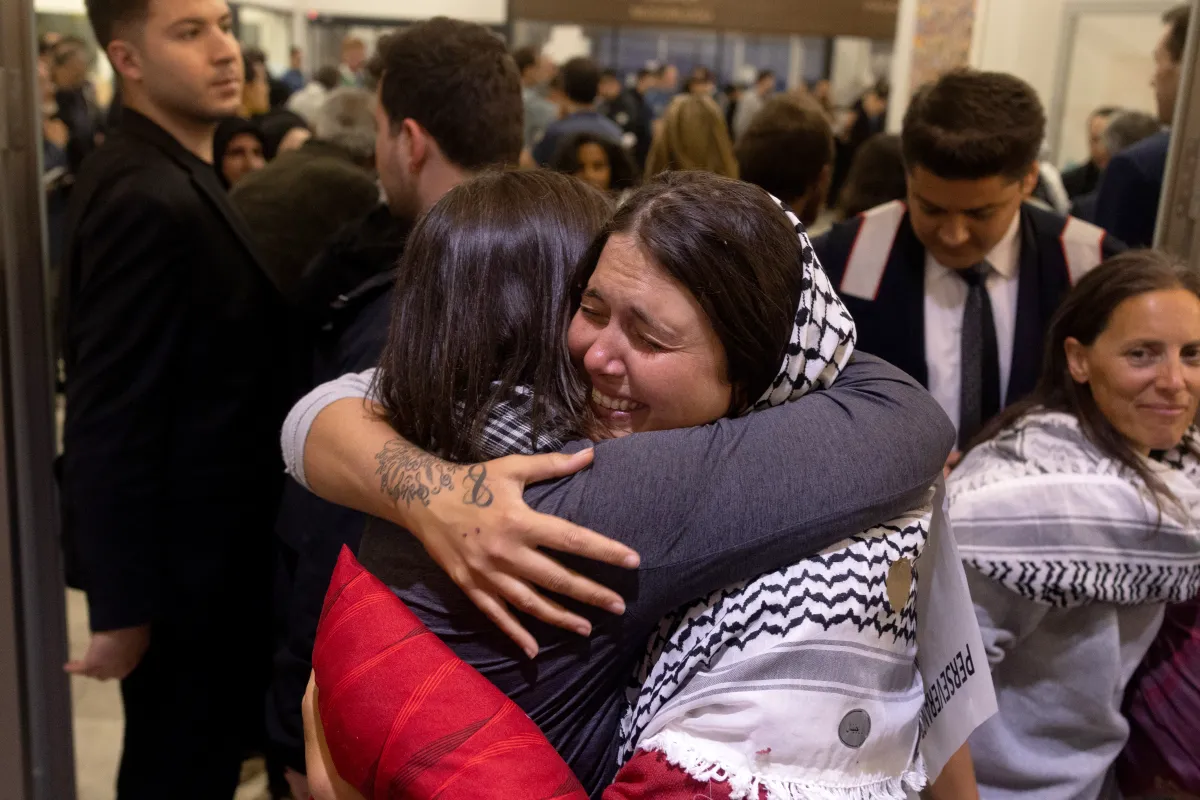
As the weary survivors finally touched down in Istanbul, greeted by weeping families and supportive crowds, the physical bruises on their bodies served as a permanent canvas of their ordeal, yet their spirits remained remarkably unbroken. Turkish activist Bulal Kitay, speaking to reporters with a swollen face and a heavy heart, offered a sobering, deeply human connection between their ordeal and the people they sought to save, noting that the horrific violence, the degradation, and the systemic cruelty they experienced over those few terrible days is simply the agonizing, uninterrupted reality that Palestinians in Gaza have endured every single day for decades. Despite the Israeli Foreign Ministry’s defensive assertions that millions of tons of aid have entered Gaza through official channels, international bodies like the United Nations continue to report that millions of innocent civilian lives hang in the balance, sheltered in squalid tents without access to clean water or medicine. The Global Sumud Flotilla may have been intercepted, its cargo seized, and its peaceful advocates brutalized, but the voyage ultimately succeeded in exposing the raw, unchecked violence of the blockade to the conscience of the world. By bearing the scars of Gaza’s suffering on their own flesh, these global citizens demonstrated that the human yearning for justice, compassion, and basic human dignity is a force that no military blockade, no matter how heavily armed, can ever truly conquer or contain.