

For millions of older Americans, the daily routine of stepping into the shower is not a relaxing ritual, but a silent, high-stakes test of physical endurance and balance. As our bodies naturally age, reflexes slow, bones become increasingly brittle, and once-unremarkable surfaces like slick bathroom tiles turn into treacherous hazards. Each year, an estimated 14 million senior citizens across the United States experience traumatic and agonizing falls, events that frequently mark the abrupt end of their independent living and the beginning of a painful, downward spiral of medical dependency. Yet, despite this widespread and entirely predictable danger, the American healthcare system operates under a deeply frustrating and medically irrational financial paradox. Under its current legislative framework, Medicare—the national health insurance program designed to protect and support our elderly population—will willingly and unquestioningly shell out tens of thousands of dollars to cover the costs of a broken hip, emergency orthopedic surgery, extended hospital stays, and weeks of grueling physical rehabilitation. However, if that same elderly individual requests basic financial assistance to purchase an eleven-dollar, non-slip rubber bathmat or a simple grab bar to prevent the catastrophic slip from happening in the first place, the system flatly refuses to pay. This glaring gap in preventative coverage not only exposes vulnerable seniors to avoidable, life-altering trauma but also inflicts an astronomical, entirely unnecessary financial burden on federal taxpayers and the national healthcare infrastructure, highlighting an urgent need for common-sense policy reform.
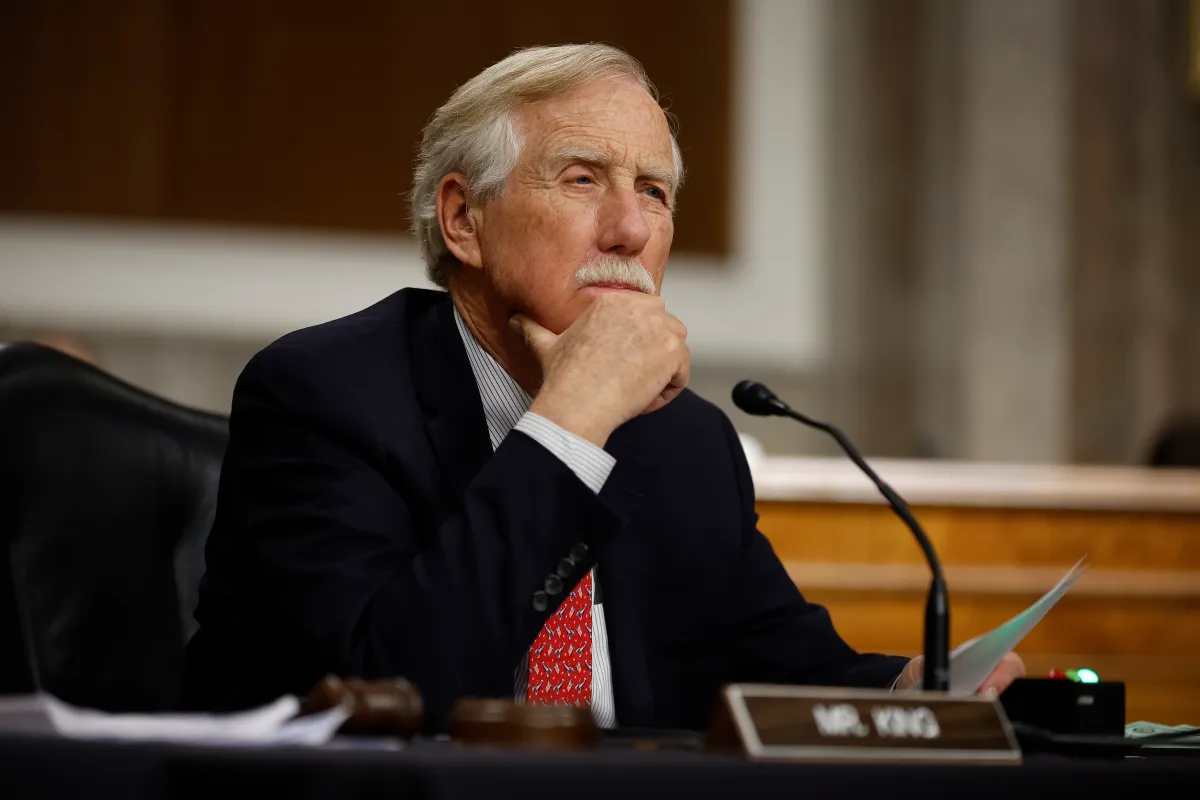
In a direct legislative bid to mend this historical oversight and bring sanity back to senior healthcare, Independent Senator Angus King of Maine and Democratic Representative Seth Magaziner of Rhode Island announced the Stand Strong for Medicare Act. Introduced as a crucial bicameral effort, this pioneering bill seeks to fundamentally transform how the federal government approaches senior safety by ensuring that vital fall-prevention equipment is officially reimbursable under Medicare Part B. Senator King took to his social media channels to humanize this message in a highly relatable and viral fashion, displaying a standard, eleven-dollar rubber bathmat to illustrate the sheer, maddening simplicity of the solution. King pointedly argued that if Medicare would proactively distribute these inexpensive mats to every senior recipient in the country, the initial investment would effortlessly pay for itself in less than a single calendar year by preventing countless emergency room visits. By leveraging his characteristic, down-to-earth pragmatism, King directly challenged the Centers for Medicare & Medicaid Services to modernize its rigid funding guidelines, reminding the public of the economic absurdity of a system that will readily pay for a devastating, high-risk surgical procedure but denies coverage for the basic, life-saving household apparatus that keeps people standing safely on their feet. Through this legislative push, King and Magaziner are trying to slice through decades of federal bureaucratic red tape, arguing that a trifling upfront investment in household safety is both a compassionate duty to our aging population and a brilliant fiscal defense.
The clinical and financial data backing this legislative crusade is both staggering and undeniable, shedding light on the colossal scale of the national crisis. According to a landmark study published in the peer-reviewed journal JAMA Health Forum, the financial aftermath of a single fall in an inpatient hospital setting is incredibly steep, with the average total cost of care soaring to a breathtaking $62,521. This massive sum accounts for emergency transport, diagnostic imaging, complex surgical interventions, anesthesia, prolonged hospital stays, and the subsequent high-cost home health services or nursing facility care required for recovery. Conversely, the study highlighted that implementing comprehensive, structured fall-prevention programs yielded massive dividends, saving the analyzed health facilities an extraordinary $22 million over an illustrative five-year period. On a broader national scale, the macroeconomic impact of these accidents is even more devastating; a study featured in the journal Injury Prevention revealed that healthcare costs tied directly to senior falls reached a colossal $50 billion as early as 2015. By 2020, as the massive baby boomer generation continued to age, this annual non-fatal expenditure ballooned to a shocking $80 billion, with the overwhelming majority of these massive bills being paid directly by Medicare and, by extension, everyday American taxpayers. These hard numbers prove that senior falls are no longer just an individual family tragedy; they are a full-scale national economic drain that siphons vital resources away from other crucial healthcare services.
Beyond the eye-popping financial figures, there lies a deeply human element, rooted in the biological reality of how a person’s physical relationship with their home changes as they grow older. A highly detailed report published by the Fall Prevention Foundation confirmed what many caregivers have long observed: the humblest household modifications can bring about extraordinary safety outcomes, showing that simple, textured bathmats can reduce the absolute risk of a dangerous bathroom fall by up to 50 percent. When households upgrade to heavy-duty, durable rubber mats, that protective metric climbs even higher, slashing the incidence of slip-and-fall accidents by an astonishing 70 percent. However, experts from the foundation emphasize that these inexpensive mats should not exist in a vacuum; rather, they must form the foundation of a holistic, multi-layered home safety ecosystem. For seniors struggling with chronic balance conditions, neurological issues, joint pain, or reduced mobility, a single slip on a wet floor can trigger a catastrophic chain reaction, meaning that a truly effective prevention strategy requires combining the rubber bathmat with sturdy, securely mounted grab bars, handrails, and specialized shower chairs. By implementing this basic, coordinated physical defense system, families can effectively strip the danger away from the daily bath routine, transforming a high-risk flashpoint into a safe, dignified space where aging loved ones can maintain their personal hygiene without fear of suffering a life-changing injury.
The necessity of the Stand Strong for Medicare Act highlights a deeper, systemic dysfunction within the philosophy of American medicine, which has historically suffered from an overwhelming bias toward reactive treatment rather than proactive prevention. For generations, the administrative machinery of the Centers for Medicare & Medicaid Services has been structured around a clinical model that treats health insurance as a financial backstop for acute medical disasters, rather than a dynamic tool to foster wellness and prevent accidents. This outdated philosophy creates a bizarre system where the government readily finances a small army of surgeons, operating rooms, and pharmaceutical drugs after a senior fractures their bones, yet remains completely blind to the minor home-environment hazards that caused the injury. Senator King’s proposal directly targets this institutional blind spot, advocating for an essential paradigm shift that recognizes that true medicine starts at home, through the preventative installation of basic grab bars, handrails, and bathmats. By restructuring Medicare Part B to allow direct reimbursements for these low-cost household safety solutions, the proposed legislation fundamentally redefines what constitutes healthcare, transforming the home from a minefield of potential emergencies into a fortified sanctuary of long-term health. Moving toward this proactive model would mark a historic victory over bureaucratic inertia, proving that the most advanced medical care is not always found in expensive hospital wings, but in the common-sense safeguards we build into our daily environments.
Ultimately, the fight to pass the Stand Strong for Medicare Act is about protecting the fundamental dignity, autonomy, and independence of our nation’s senior citizens, offering them the priceless opportunity to age in place with confidence. When a senior suffering from mobility issues is forced to navigate an unsafe home, they lose more than just stable footing; they lose their peace of mind, their sense of security, and the freedom to live without constant, paralyzing anxiety. Senator King summed up this vital human component elegantly, describing the proposed law as a common-sense bill that provides older Americans with the freedom to stand strong and stay safe. By converting our healthcare system’s vast financial resources into simple, preemptive home improvements, we can successfully ease the crushing financial burdens currently placed on our hospitals, local taxpayers, and national insurance programs. It is a rare political victory where fiscal responsibility aligns perfectly with human compassion, showing that we do not have to choose between saving billions of public dollars and protecting the physical well-being of our parents and grandparents. As America’s demographic landscape shifts toward an older population, embracing this humble eleven-dollar solution serves as a powerful reminder of how a compassionate society ought to care for its elders—not by merely patching up their broken bodies after a tragedy occurs, but by standing beside them, keeping them safe, and ensuring they have the support they need to walk confidently through their golden years.