



A Sweltering Day Across States: When Clean Air Becomes a Luxury
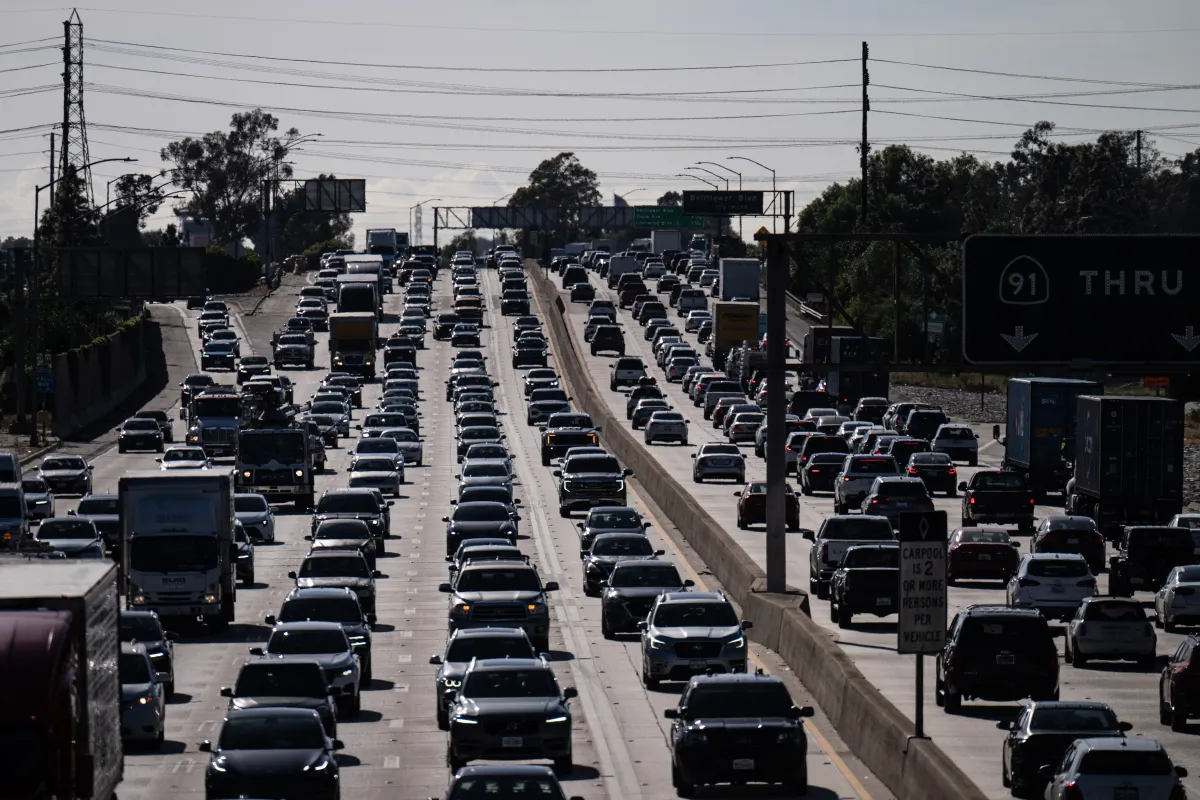
Imagine waking up on a scorching Friday morning in the American Southwest, the kind where the sun beats down relentlessly and the air feels thick, almost suffocating. That’s the reality for thousands of people in Arizona and Oklahoma, where officials have issued urgent warnings to avoid driving if possible, all because the very air we breathe is turning against us. The Arizona Department of Environmental Quality (ADEQ) has rolled out a high pollution advisory for ozone in the Phoenix Metropolitan Area, signaling that pollution levels could spike to dangerous heights, posing serious health risks. Meanwhile, in Oklahoma, the Department of Environmental Quality (DEQ) is sounding the alarm with an air quality alert for ozone that kicks in at 10 a.m. and doesn’t let up until 10 p.m. in the Oklahoma City and Lawton areas. This isn’t just an inconvenience; it’s a call to rethink how we move through our day. Families are adjusting plans, schools are altering outdoor activities, and workers are logging in from home instead of hitting the highways. Picture a mom in Phoenix, juggling her kids’ schedules, deciding to skip the usual drive to soccer practice and opting for a video call instead. Or a retiree in Oklahoma City who stares out the window, frustrated by the haze that makes even a short walk to the mailbox feel daunting. These alerts highlight a growing environmental challenge where urban sprawl, vehicle emissions, and weather patterns collide, creating ozone—a sneaky pollutant formed when sunlight reacts with emissions from cars, factories, and other sources. As temperatures rise in these regions, often hitting triple digits, the problem worsens, trapping pollutants closer to the ground. People are sharing stories online about the eerie orange tint to the sunlight or the metallic taste in the air, a reminder that what was once taken for granted—fresh, breathable oxygen—is now under siege. Policymakers and scientists have long warned about these spikes, especially during heatwaves, but seeing it affect everyday life makes it personal. It’s not just about science reports; it’s about grandparents worrying about their grandkids’ lungs, or single parents calculating extra costs for curb-side grocery deliveries. In this interconnected world, where a bad air day in one city can ripple through communities, the alerts serve as a wake-up call. Arizona’s ADEQ emphasizes that this isn’t idle advice—driving less means fewer exhaust fumes fueling the ozone buildup. Similarly, Oklahoma’s DEQ points to the importance of collective action, like carpooling with neighbors or ditching personal drives for public transit. Locals are rallying, organizing “stay-in” days where communities share tips on local apps, turning a potential health crisis into a moment of community bonding. One resident in Phoenix recounted hitching a ride with a coworker, saving gas and reducing their carbon footprint while chatting about family(recipe exchanges and weekend plans. It’s these human elements that transform dry alerts into relatable experiences, showing how environmental warnings can foster unexpected connections and resilience. As the day unfolds, with thermometers climbing, the message is clear: our health depends on the choices we make, big or small, in the face of invisible threats.
Navigating the Ozone Alerts: Risks and Realities in Arizona and Oklahoma
Diving deeper into the specifics, the ozone alerts in Arizona and Oklahoma aren’t isolated events but part of a broader pattern of environmental strain that’s demanding immediate action from residents. The ADEQ’s forecast for Phoenix predicts that high ozone levels could linger throughout the day, affecting not just the city but sprawling suburbs where millions reside. This pollutant, often dubbed the “smog maker,” forms when volatile organic compounds from paints, solvents, and vehicle exhaust mix with nitrogen oxides under intense sunlight—conditions that are unfortunately commonplace in desert climates. Oklahoma’s DEQ, mirroring these concerns, targets specific areas where the air can become particularly stagnant, amplifying the risks. For those living in these regions, it’s a stark reminder of how policy meets personal lives. Take the case of a family in Lawton, Oklahoma, where the dad commutes daily on a busy highway. With the alert in place, they’re rearranging their routine: instead of solo drives, they’re coordinating carpools, perhaps with colleagues or through neighborhood car-share programs that pop up spontaneously on social media. The ADEQ urges no-driving if possible, promoting telecommuting for jobs that allow it—visualize an accountant switching to virtual meetings from a home office, sipping coffee while watching the haze outside. In Oklahoma, the DEQ specifies avoiding unnecessary trips entirely, which means school field trips are canceled, and grocery runs are minimized to essentials. This isn’t about fear-mongering; it’s proactive public health management. Residents are sharing anecdotes of past smog days, like one in Phoenix where a young boy’s asthma flared up during a high-ozone period, leading him to spend the weekend hooked up to a nebulizer. Such stories underscore the urgency: ozone isn’t just a statistic; it infiltrates lungs, triggering breathing difficulties, exacerbating conditions like asthma, and causing cumulative damage over time. Sensitive groups—children with developing lungs, seniors with weakened immune systems, and those with heart issues—are at the forefront, but everyone feels the pinch. A teacher in Oklahoma City described holding classes inside to reduce exposure, turning lessons into impromptu discussions about air quality science. By carpooling or using mass transit, people are not only protecting their health but also cutting down on emissions that perpetuate the cycle. Each decision, like opting for a bus ride over a short drive, ripples through the community, reducing the overall pollution load. Hardware stores report spikes in masks and air purifiers as people prepare, and gyms shift to indoor workouts. Ultimately, these alerts humanize the science, showing that behind the policy lingo are real families making sacrifices for their well-being and that of their neighbors.
Understanding the Health Toll: Why Poor Air Quality Hits So Hard
At the heart of these alerts lies a profound human concern: the health impacts that can turn a routine day into a medical ordeal. The National Weather Service (NWS) isn’t pulling punches, warning that sensitive groups—think young kids playing in the yard, elderly folks on daily strolls, and individuals battling chronic respiratory or heart conditions—could face exacerbated symptoms from poor air quality in Arizona, Oklahoma, and beyond. Ozone pollution, they explain, isn’t just a mild irritant; it can inflame airways, spark asthma attacks, and cause long-term lung damage, making every breath a challenge. “Everyone can be affected,” the NWS cautions, “but those with lung disease, older adults, pregnant women, children, and outdoor enthusiasts are at greater risk.” This vulnerability hits home in stories from affected families. Picture a grandmother in Phoenix whose arthritis keeps her indoors anyway, but on high-ozone days, she worries about her grandson’s soccer games—lung damage might be subtle at first, but it accumulates, potentially leading to hospitalizations or reduced quality of life. In Oklahoma, a firefighter on duty during such alerts shares how the fumes remind him of past wildfires, where even slight inhalation caused coughing fits that lingered for days. The science backs this up: ozone penetrates deep into the lungs, irritating tissues and impairing oxygen exchange. For pregnant women, it could affect fetal development; for kids, it might stunt physical growth or heighten allergies. Seniors with heart issues face increased risks of arrhythmias or heart attacks triggered by the body’s stress response to pollutants. The NWS advises reducing physical exertion and outdoor time, which means reevaluating daily habits—like a morning jog now replaced by indoor yoga sessions or virtual fitness classes. Residents are adapting creatively: a Phoenix resident turned their garage into a makeshift gym, sharing workout playlists online to encourage others. In Oklahoma City, community centers host “stay-fit indoors” events, blending health advice with fun activities. This shift isn’t just about avoidance; it’s a lesson in empathy, as people check in on vulnerable neighbors, offering rides or help with errands. Psychological strain adds another layer—constant worry about air quality can lead to stress, sleep disruptions, and even anxiety disorders. Experts suggest mindfulness apps to cope, turning alerts into opportunities for mental health support. Overtime, these health cautions transform impersonal warnings into calls for collective care, reminding us that protecting air quality safeguards not just bodies, but the emotional fabric of communities, fostering a sense of shared responsibility in the face of invisible dangers.
Practical Steps to Breathe Easier: Advice for Staying Safe
When the air pollution alerts hit, knowledge becomes the best defense, empowering residents to make informed choices that can mean the difference between discomfort and disaster. In Arizona, the ADEQ isn’t just recommending against driving; they’re providing actionable tips like switching to public transit, carpooling, or telecommuting to slash vehicle emissions. Imagine a commuter in Phoenix reimagining their day: instead of idling in traffic, they’re joining a bike-sharing program or walking to a nearby coffee shop for virtual meetings. The agency also advises delaying gasoline-powered equipment—think lawn mowers or leaf blowers—until evening, when cooler temps might dissipate some pollutants. Similar guidance comes from Oklahoma’s DEQ, urging bus use, carpooling, and steering clear of unnecessary outings, while banning outdoor burning and two-cycle engines like weed trimmers or motorcycles that spew extra hydrocarbons. A resident in Lawton shared how they canceled a family BBQ, opting for an indoor potluck instead, laughing about the surprise at how fun a garage feast could be. Household habits play a role too; avoiding high-emission chores means less contributed to the ozone cocktail. Transitioning to these practices builds new routines—apps for carpool matching thrive, and green energy options gain traction. For those stuck indoors, simple tricks like keeping windows shut and using air purifiers create havens of cleaner air. The focus on reducing physical activity for at-risk groups ties in, with the NWS suggesting short, light walks or errands only after dusk. People are innovating: a Phoenix yoga teacher offered free online classes, turning isolation into community connection. This adaptability showcases human ingenuity, proving that with a bit of planning, we can mitigate risks. Beyond personal steps, it’s about advocacy—residents are petitioning local governments for better transit, which could prevent future alerts. Each tip is a thread in a larger tapestry of resilience, where individual actions accumulate into healthier skies, reminding us that everyday decisions, like choosing eco-friendly fuels, ripple outward to benefit all.
Expanding the Horizon: Alerts in California and Minnesota
The air quality crisis isn’t confined to the Southwest; it’s weaving its way across the country, prompting similar alerts in California and Minnesota that echo the concerns in Arizona and Oklahoma. In California’s Imperial County, the Air Pollution Control District (APCD) has issued a stern warning about harmful ozone levels stretching until 8 p.m. on Friday, urging residents to think twice before every outing. Trips to gas stations are singled out, along with the use of gasoline-powered lawn equipment and household chemicals that release volatile compounds. To keep indoor spaces sane, the APCD advises closing windows, running air conditioners or purifiers, and avoiding whole-house fans that pull in outside pollution—along with sidestepping indoor sources like fireplaces or grilling. A family in Imperial Valley described their evening: swapping backyard cookouts for stovetop meals, the kids helping chop veggies while venting about the “stinky air” outside, turning precaution into bonding time. Meanwhile, in Minnesota, the Pollution Control Agency is tackling a different foe—coarse particle pollution from blowing dust affecting west-central and northwest regions until 9 p.m. These particles, whipped up by winds, infiltrate deep into lungs, sparking asthma episodes, heart struggles, and heightened infection risks. Vulnerable groups face the brunt, with the agency stressing face masks or coverings for anyone venturing out. A farmer in northwest Minnesota recalled past dust storms, where fine particles coated everything, leading to respiratory check-ups for his elderly parents. Mitigation strategies mirror others: staying indoors, using filters, and limiting outdoor chores. This regional spread highlights a national pattern, where droughts, wildfires, and industrial activities converge to degrade air. Californians are adapting with telework booms and electric tool shifts, while Minnesotans invest in dust barriers or indoor hobbies like baking. Stories from these areas add depth— a California retiree recounted switching from driving errands to delivery services, freeing time for puzzles and family calls. Collectively, these alerts paint a portrait of resilience, where diverse communities unite against a common environmental adversary, proving that shared strategies can turn challenges into chances for innovation and unity.
Looking Ahead: Building a Healthier Tomorrow Through Awareness and Action
As Friday unfolds with air pollution alerts casting a shadow over parts of America, it’s a pivotal moment to reflect on how we can cultivate cleaner skies for the future. These warnings in Arizona, Oklahoma, California, and Minnesota aren’t mere blips on the radar; they’re urgent signals urging us to prioritize health and sustainability over convenience. By heeding advice to limit driving, avoid emissions-heavy activities, and protect vulnerable groups with masks or indoor havens, individuals are contributing to collective well-being. Think of it as a grassroots movement—a teacher in Phoenix inspiring students with eco-lessons, or a Minnesotan farmer adopting better land management to curb dust. Long-term, experts advocate for policy shifts like stricter emissions standards, renewable energy incentives, and urban green spaces to combat root causes. Communities are mobilizing, hosting awareness seminars or funding clean air initiatives, transforming alerts into catalysts for change. For families, it’s about instilling habits: teaching kids air quality checks or family carbon footprints. Psychologically, staying informed reduces fear, empowering proactive steps. Ultimately, this episode humanizes environmental science, revealing that our choices—small tweaks in daily routines—can mitigate risks and prevent crises. As the day winds down, remember the power of unity: when we carpool instead of drive alone, when we prioritize indoor activities over outdoor exposure, we’re not just surviving a polluted episode; we’re building a legacy of breathable futures, where health triumphs over haze, and human ingenuity charts a path to brighter, cleaner days ahead. The air may be heavy today, but with awareness, action, and a dash of hope, we can ensure it’s not forever.