


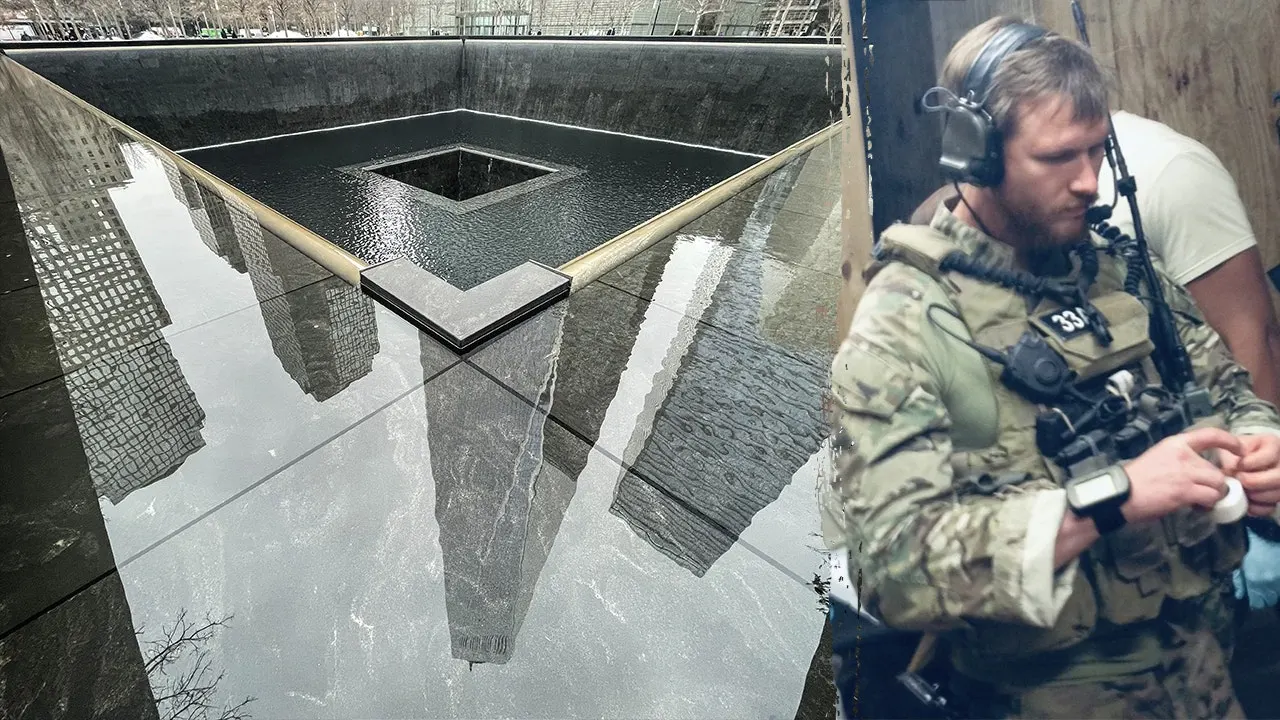
As the spring air transitions into the warmth of late May and the nation prepares to observe Memorial Day—a time-honored period of collective remembrance, grief, and solemn gratitude—the 9/11 Memorial & Museum has announced a major, deeply meaningful policy expansion designed to honor the complex web of service that binds the tragedy of September 11, 2001, to the generations of military service members who stepped forward in its wake. Starting this Friday, the world-renowned institution located at the heart of Ground Zero will grant free admission to all American military veterans, expanding a vital, long-standing program that previously extended free entry primarily to active-duty personnel. This decision, announced exclusively ahead of the holiday weekend, represents a profound acknowledgement of the unique, symbiotic, and often painful relationship that exists between the physical site of the attacks and those who took up arms in the subsequent global conflicts. For millions of Americans, the collapse of the twin towers was not just an unfathomable tragedy witnessed through a screen; it was an urgent, life-altering call to arms, a defining moment that turned ordinary citizens into soldiers, sailors, airmen, and Marines practically overnight. By removing the financial barrier for those who served, the museum’s leadership, including Chief Advancement and Communications Officer Josh Cherwin, emphasizes that this initiative is a direct attempt to provide a space of reflection and recognition for a generation whose lives, careers, and personal identities were irrevocably reshaped by the events of that fateful Tuesday morning. It is an invitation to cross the threshold from the chaotic noise of modern life into a sanctuary designed to honor their sacrifices, tying the history of the attacks directly to the living legacy of those who fought to ensure such a catastrophe would never happen on American soil again.
The necessity of this outreach becomes increasingly urgent when viewed through the lens of shifting demographics and the inevitable passage of time, which threatens to turn lived, searing memory into abstract history. Today, nearly one hundred million Americans have absolutely no active, personal memory of September 11—either because they were too young on that day or were born in the decades that followed—a staggering statistic that includes many of the young, patriotic enlistees currently completing basic training and preparing to stand watch on the front lines of global defense. For these new service members, the war on terror and the architectural scar of Ground Zero are historical concepts learned from textbooks rather than visceral events experienced in real-time, creating a profound generational disconnect that the museum is actively working to bridge. By welcoming every veteran, from those who fought in the immediate, gritty aftermath of the invasion of Afghanistan to the newest recruits who stepped forward long after the dust had settled, the museum is transforming itself from a mere repository of artifacts into an active, living classroom. It offers these young defenders a physical space to touch the mangled structural steel, to look upon the scorched personal effects of those who perished, and to truly understand the geopolitical “why” behind the uniforms they wear and the missions they carry out. In doing so, the institution honors the service of the old guard while providing the next generation of American guardians with a foundational understanding of the very crucible that forged the modern world they are now sworn to protect.
To truly comprehend the deeply human dimensions of this connection, one must look at the individual stories of those whose destinies were rewritten in the smoke of the burning towers, such as John Paluska, a retired U.S. Army Green Beret who now serves as a key member of the 9/11 Memorial & Museum’s Visionary Leadership Council. On September 11, 2001, Paluska was just an eighteen-year-old freshman embarking on his college journey at Fordham University, a young man with typical academic aspirations who suddenly found himself drawn into the heart of the disaster zone as an impromptu volunteer in the chaotic, ash-choked days following the collapse. Decades later, the sensory details of that experience remain etched into his soul with terrifying clarity: the overwhelming, heavy smell of pulverized concrete, smoldering plastics, and burnt jet fuel; the eerie, heart-wrenching silences that fell over the ruins, punctuated only by the shrill, mechanical chirping of firefighters’ personal locator alarms signaling motionless bodies beneath the debris; and the quiet, reverent sight of American flags slowly being draped over recovered remains. This direct encounter with the raw reality of mass tragedy acted as an immediate catalyst, prompting him to walk into a military recruiting office just one month later to begin the grueling process of enlisting. His journey would eventually take him into the elite echelons of the Special Forces, leading him through multiple arduous combat deployments in Iraq and Afghanistan—a military career born directly from the ashes of Lower Manhattan.
For veterans like Paluska, visiting the 9/11 Memorial & Museum is not merely an educational exercise or a casual weekend outing; it is an incredibly personal, deeply emotional journey that offers a rare opportunity to process the complex trauma of combat and the heavy weight of survival. The memorial plaza, with its twin reflecting pools set within the footprints of the original towers, functions as a quiet sanctuary where those who fought in the long, exhausting wars of the post-9/11 era can find a sense of peace that often eludes them in the civilian world. Paluska notes that many veterans harbor a profound, quiet aversion to the horrors of war, having witnessed its devastating human cost firsthand, and they return to this sacred ground not to glorify conflict, but to reflect on the fragility of life and the immense sacrifices made in the name of security. Standing beside the deep, cascading waterfalls of the pools and looking up at the towering, light-reflecting presence of One World Trade Center, veterans are reminded of the extraordinary resilience of the human spirit and the country’s ability to rebuild from utter ruin. This physical juxtaposition of deep loss and soaring triumph allows these former warriors to connect their personal sacrifices in distant deserts and mountain ranges back to the very place where it all began, helping them find a measure of closure and meaning in the long, turbulent journey they have traveled since they first put on the uniform.
The legacy of September 11 is also defined by the painful, beautiful stories of generational continuity and inherited duty, epitomized by the life of Ron Bucca Jr., whose connection to the tragedy is both intimately personal and profoundly heroic. His father, FDNY Fire Marshal Ron Bucca Sr., was a dedicated public servant who made the ultimate sacrifice while executing his duties inside the burning World Trade Center towers on that fateful morning, leaving behind a family and a legacy of courage that would forever alter his son’s path. Driven by a deep, burning desire to honor his father’s memory and to defend the nation that his father died protecting, Ron Bucca Jr. chose to follow a path of service that led him into the ranks of the Army’s Green Berets, taking the fight to the very forces that had orchestrated the destruction of his family’s peace. For the younger Bucca and others who share this agonizing double-identity as both direct victims of the attacks and combat veterans who fought in the wars that followed, the museum is not just a public monument, but a deeply private space akin to a family archives. This structural archive preserves the final, heroic moments of fathers, mothers, siblings, and friends, transforming their private grief into a collective national treasure that stands as a testament to the fact that the spirit of American resilience cannot be extinguished by terror.
As the 9/11 Memorial & Museum looks toward the future, particularly with the momentous twenty-fifth anniversary of the tragic events approaching in September 2026, the expansion of free admission to all veterans reinforces its core mission as a place of universal healing, education, and eternal remembrance. This generous pricing policy seamlessly integrates with the museum’s existing, compassionate commitment to provide free access to 9/11 family members, rescue and recovery workers, individuals registered with the World Trade Center Health Program, and the immediate families of those who have passed away over the years due to insidious, toxic-exposure illnesses. By bringing veterans into this protected circle of cared-for guests, the institution creates a holistic environment where those who suffered on the day of the attacks and those who suffered in the decade-long defenses that followed can stand side-by-side in mutual understanding. Ultimately, the museum remains an active guardian of the nation’s conscience, ensuring that even as the years pull the public further away from the raw shock of 2001, the individual stories of civilian heroism, first responder sacrifice, and the enduring bravery of our military veterans will remain vividly preserved. This unbroken circle of memory serves as a powerful reminder that out of the darkest moments of destruction, a lasting legacy of unity, hope, and unyielding service can be forged to guide the nation through whatever challenges the future may hold.