





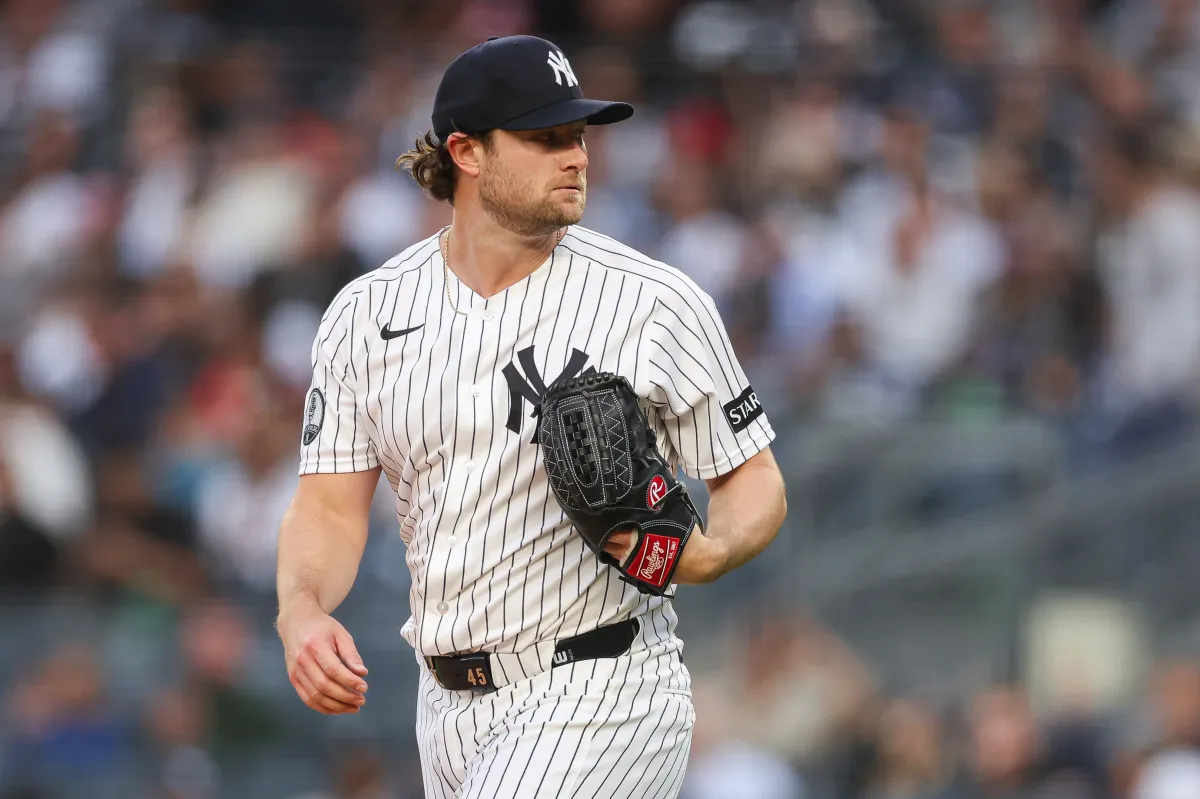
The journey back to the pinnacle of professional sports is rarely a linear path of easy victories; instead, it is a deeply human narrative defined by isolation, grueling physical therapy, and intense mental preparation. For New York Yankees ace Gerrit Cole, this long and winding road culminated in his highly anticipated return to the major league mound, marking his very first start since October 30, 2024. For more than a year, the former Cy Young Award winner had been separated from the game he loves, sidelined by the devastating necessity of Tommy John surgery. While fans only see the glory of game day, the reality of reclaiming one’s career after reconstructive elbow surgery is a lonely, exhausting endeavor. It is a process spent far away from the bright stadium lights, characterized instead by the quiet monotony of training rooms, resistance bands, and the slow, agonizing progression of a throwing program where every single toss is measured, monitored, and analyzed with clinical precision. Therefore, when Cole finally stepped back onto the pristine grass of the Bronx, the air was thick with a mixture of overwhelming excitement and undeniable anxiety. Both the front office and the passionate fanbase held their collective breath, wondering if the master pitcher would show signs of the injury that had stolen a year of his prime. What transpired over the next six innings was nothing short of a spectacular reassurance. Cole did not just pitch; he commanded the game with the effortless grace of a true craftsman, silencing any doubts about his physical recovery. He surrendered a mere two hits and allowed absolutely zero runs to cross the plate during his highly efficient sixty minutes of artful work on the hill. His presence was magnetic, his composure unshakable, and his performance provided an immediate, powerful reminder of why he remains one of the most respected and formidable forces in all of baseball.
Yet, just as the storybook return seemed poised to extend into a deep-inning masterpiece, the highly calculated and often cold reality of modern baseball management intervened to disrupt the narrative. After throwing only seventy-two pitches across his six brilliant frames, Cole was pulled from the contest by Yankees manager Aaron Boone before the start of the seventh inning. For the passionate spectators filling the stadium seats, who had been swept up in the emotional high of witnessing their ace dominate the opposition, the sudden hook felt premature and deeply disappointing. In an era where fans crave the dramatic completion of a game, watching a healthy, dealing starter get pulled early can feel like an anti-climactic end to a beautiful performance. The stadium buzzed with a mix of confusion and quiet frustration as Boone emerged from the dugout to make the change. Yet, this decision highlights the profound weight of responsibility rested upon a modern major league manager. Boone is not merely managing for the satisfaction of the crowd on a single afternoon deep in the season; he is playing a high-stakes chess game where the ultimate prize is a World Series championship. When managing a premier talent who is returning from a major surgical procedure, a manager must act as a protective shield, sometimes defending the player from their own competitive nature. Tempting fate by pushing an extra inning or taxing an arm that is still adapting to the high-velocity stress of live major league hitters is a gamble that carries far too much risk. Boone’s choice to prioritize Cole’s long-term health over immediate gratification was an act of disciplined leadership, highlighting the careful, clinical science that now governs the physical preservation of modern elite athletes.
In many cases, an athlete of Cole’s stature and legendary competitive drive might have reacted to such a protective restriction with frustration or quiet resentment, desiring to stay on the mound and finish what he started, especially after showing such elite form. Cole has historically been known as an intense perfectionist on the mound, a player who watches over his craft with intense focus and demands the absolute maximum of himself and his body. Yet, the true measure of Cole’s character and maturity was on full display during his post-game media session, where he spoke with an admirable level of perspective and humility. Rather than questioning his manager’s decision or lamenting the lost opportunity to pitch deeper into the game, Cole openly validated Boone’s choice as the correct and responsible path forward. “I feel like that was a smart play,” Cole calmly explained to the gathered reporters, showing a level of analytical detachment that is rare among top-tier competitors in the heat of a season. “You know, it may seem easy, but it was a high-pressure, tough game. I had one quick inning and we made some great defensive plays that led to some of that efficiency as well. Overall, it was good work for what we had out there.” This thoughtful response reveals a pitcher who has transitioned from a purely physical force into a wise strategist who understands the delicate mechanics of a full season. Cole’s willingness to share the credit with his defense and recognize that his low pitch count was a collaborative achievement demonstrates his deep integration within the team concept. His words disarmed any potential controversy before it could start, showcasing a veteran leader who is fully aligned with the organization’s broader, macroscopic goals and who understands that a successful comeback is built on patience rather than reckless bravado.
While the personal triumph of Cole’s healthy return was the dominant storyline of the day, the ultimate outcome on the scoreboard was a tough 4-2 defeat at the hands of the division-rival Tampa Bay Rays. The Rays have long been a thorn in the Yankees’ side, playing an extremely disciplined, high-contact, and analytically driven brand of baseball that tests even the most formidable pitching staffs. In the grand scheme of a long and exhausting baseball schedule, a single regular-season loss is quickly forgotten, but the long-term implications of a healthy ace are monumental. For the Yankees and their supporters, the night was an overwhelming success because of the incredibly positive physical indicators Cole displayed throughout his time on the mound. His fastball velocity was exactly where it needed to be, showing the late life and explosive rise that has historically kept hitters off-balance. His secondary pitches, including his sharp slider and biting changeup, looked just as devastating as they did before his prolonged absence. More importantly, there were absolutely no visible signs of physical fatigue, mechanical breakdown, or lingering discomfort in his throwing elbow. Watching him throw seventy-two high-effort pitches with zero physical regression was a massive relief for a fan base that has spent months worrying about the future of their pitching staff. In baseball, the physical health of a premier starting pitcher is the most fragile and valuable commodity a franchise possesses, and seeing Cole emerge from his premier outing completely unscathed was a victory that far outweighed the temporary sting of a loss in the standings.
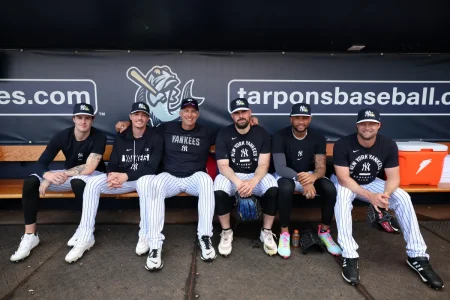
The timing of Cole’s successful return to active duty could not be more critical for a New York Yankees ballclub that has had to weather a storm of injuries to its pitching staff. The rotation has been heavily taxed, particularly with the ongoing absence of the incredibly talented Max Fried, whose recovery process has kept him sidelined longer than the team had initially hoped. In Fried’s absence, an immense amount of pressure has been placed on the shoulders of the team’s younger, developing starting pitchers. Young arms like the rising star Cam Schlittler, along with Will Warren and Ryan Weathers, have been forced to step into highly demanding roles and carry the burden of keeping the Yankees competitive in a brutal division race. Playing under the unforgiving microscope of the New York media is a daunting trial for any young athlete, where every mistake is magnified and every bad outing is heavily criticized. Cole’s presence back at the top of the starting rotation provides a massive psychological boost and acts as a stabilizing force for the entire clubhouse. He serves as a mentor, a blueprint of professional excellence, and a protective buffer who can absorb the heavy workload and elite matchups, allowing younger guys like Schlittler, Warren, and Weathers to settle into supportive roles where they can develop naturally. They are now freed from the crushing pressure of having to carry the team on their own, transforming the Yankees pitching staff from a patchwork unit into a deeply dangerous contender.
In the final analysis, Gerrit Cole’s triumphant return to the Major League stage is a powerful celebration of human resilience, advanced sports medicine, and cooperative teamwork. In previous eras, a torn ulnar collateral ligament was often a career-ending diagnosis, a sentence that forced legendary pitchers into early retirement. Today, thanks to the miracle of modern surgery and rigorous rehabilitation protocols, athletes are capable of returning to the mound stronger than ever, making this successful comeback a deeply inspiring testament to human determination. While the strict seventy-two pitch limit might have felt like a conservative constraint to those watching in the stands, it represents the wise, slow pacing of a marathon runner who understands that the real prizes are handed out in October, not in the early months of a comeback campaign. The mutual trust and respect on display between manager Aaron Boone and his ace pitcher during this transition period highlights a healthy, functional clubhouse culture designed for sustained excellence. As the Yankees continue their march through the season, the baseline established by Cole’s magnificent six-inning performance will serve as a powerful beacon of hope. It reassures everyone associated with the historic franchise that their leader is back, healthy, and ready to guide them through the challenges ahead, turning what began as a story of injury and recovery into a powerful quest for championship glory in the Bronx.