





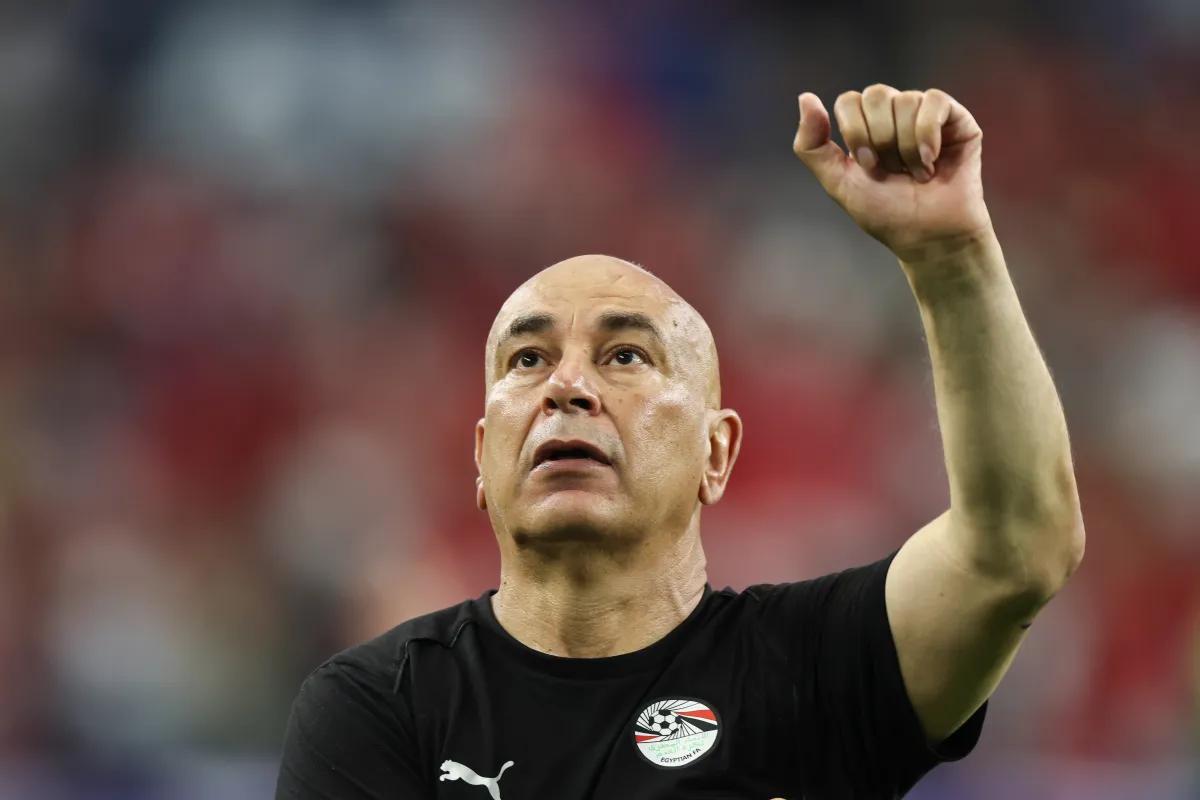
Behind the high-stakes, glittering spectacle of the FIFA World Cup, there is a human element that often gets lost in translation—a reality where the intense pressure of elite sport collides with the simple, emotional desires of fans. This friction came to a head at a Dallas hotel when legendary Egypt coach Hossam Hassan and his twin brother, team director Ibrahim Hassan, found themselves in a physical altercation with a local police officer. The incident, captured on a widely circulated video, occurred just a day before Egypt’s critical round of 32 clash against Australia. It began quite simply: a young, hopeful fan in the lobby wanted a photograph with one of their footballing heroes. When an officer stepped in to block the interaction, fearing a security breach, the Hassan brothers reacted defensively. What followed was a brief but tense shoving match, born not out of malice, but of the raw, protective instinct of a coaching staff caught between rigid official protocols and the warm, chaotic enthusiasm of their supporters.
The Dallas Police Department quickly sought to clarify the situation, explaining that officers were merely responding to a request from hotel security concerning an individual without proper event credentials who was attempting to access the team’s restricted area. In the high-security environment of a modern World Cup, where local police and private contractors work in tandem to protect international stars, a minor misunderstanding can escalate in seconds. Fortunately, cool heads ultimately prevailed. The police reported that the issue was resolved on-site without any arrests or injuries. For the Egyptian delegation, the priority was quickly shifting back to the pitch. Rather than harbinger lingering resentment, Hossam Hassan gracefully defused the tension during a subsequent press conference, revealing through a translator that the team had accepted an apology from the local authorities and considered the matter fully resolved.
Instead of let the hotel scuffle overshadow their historic campaign, the Pharaohs channeled their focus into their round of 32 match against Australia, emerging victorious and securing their first-ever spot in the World Cup’s knockout stage. This triumph was particularly sweet for Hossam Hassan, a legendary figure in his homeland who has now achieved the unique distinction of representing Egypt at the World Cup as both a pioneering player and a head coach. Alongside him is his twin brother Ibrahim, a fellow former national defender, whose shared life journey in football has brought them from the dusty pitches of their youth to the technical areas of the world’s grandest sporting stage. For the Hassan brothers, who have dedicated their lives to Egyptian football, protecting their players—whether from opposing strikers on the field or overzealous security off it—is simply second nature.
This incident in Dallas is indicative of a broader challenge facing organizers and international delegations throughout this tournament: finding a healthy balance between safety and accessibility. Security around team hotels has been a recurring talking point, with numerous delegations reporting moments of friction with U.S. law enforcement. As public excitement for the tournament swells, fans, particularly children, are constantly seeking moments of connection with their idols, routinely gathering outside hotels for autographs and photos. For the Egyptian team, these interactions are not security risks but vital connections to the people they represent. Hossam Hassan was careful to praise the overall organization and high level of security provided to his team during their stay, refusing to let one isolated, tense misunderstanding define their American experience or sour their view of the local hosts.
Now, the Egyptian national team looks ahead to a monumental challenge that will surely capture the imagination of football fans worldwide. Having navigated their group stage undefeated and pushed past Australia, the Pharaohs are set to face supernatural talent Lionel Messi and a formidable Argentina squad in the round of 16 in Atlanta. Argentina narrowly escaped an upset themselves, scraping past a resilient Cape Verde team with a dramatic extra-time goal to set up this enticing fixture. For Egypt, a country where football is a profound cultural bind, the upcoming match represents more than just a game; it is an opportunity to prove their mettle against the very best on earth. The distractions of Dallas have been firmly left behind, replaced by the singleness of purpose required to face a global icon.
Ultimately, the brief hotel confrontation serves as a poignant reminder of the intense human drama that surrounds the World Cup. It highlights the protective nature of leaders like the Hassan brothers, who view their squad not just as athletes, but as a family to be shielded. As the tournament marches on toward its thrilling climax, the focus shifts back to where it belongs: the green grass, the roaring crowds, and the beautiful game. Egypt’s journey continues to captivate millions back home, proving that while security boundaries may occasionally be crossed, the spirit of the game and the bond between players, coaches, and fans remains entirely unbreakable.