





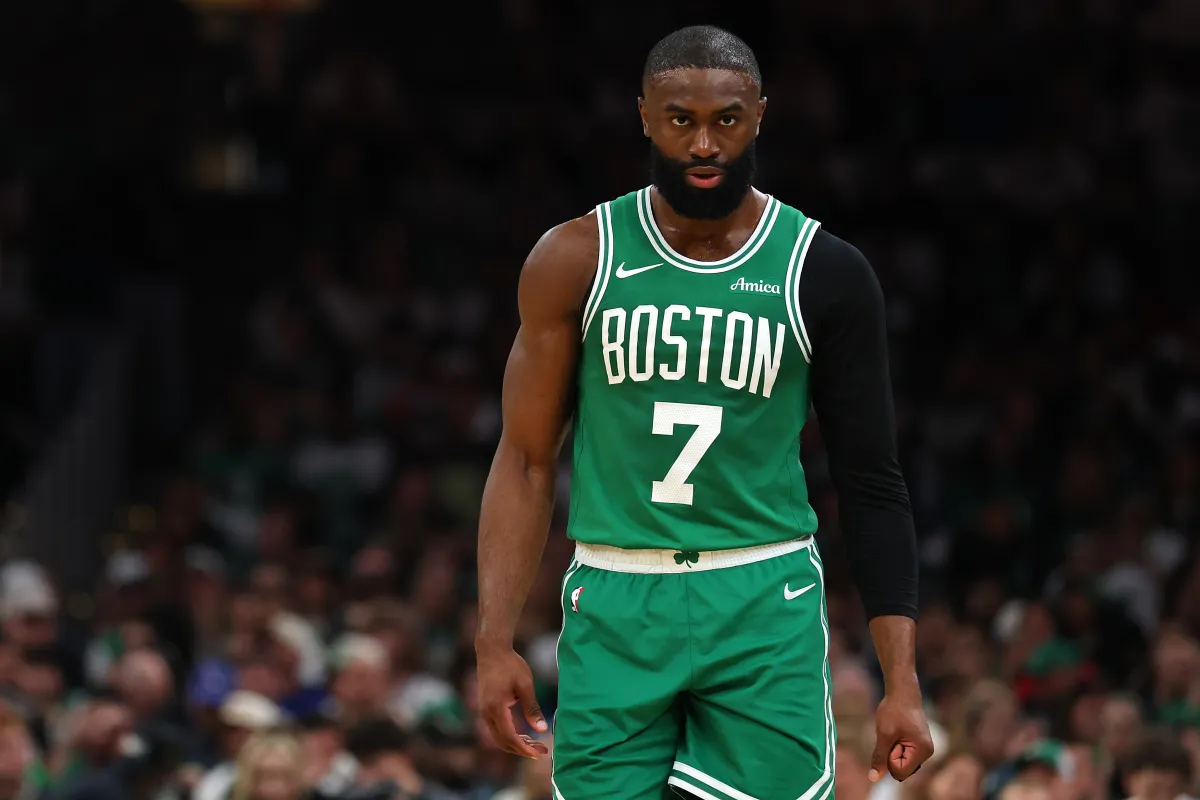
Jaylen Brown had what can only be described as an absolutely phenomenal season with the Boston Celtics. Picture this: stepping into a leadership role like never before, especially with Jayson Tatum sidelined for much of the time due to that nasty torn Achilles from last May. Tatum finally returned in early March, but by then, Brown had already taken the reins and pushed the team forward like a true captain. He racked up career highs in points, rebounds, assists, and every other stat you can imagine—basically carrying the offense and defense on his back. Fans and analysts alike were calling it MVP-caliber stuff, and it’s easy to see why. Brown wasn’t just playing; he was inspiring, bringing that relentless energy that makes basketball such a thrilling game. In the locker room or on the court, you could felt his passion igniting the whole squad. The Celtics cruised through the regular season, ending up as the No. 2 seed in the Eastern Conference, and with their chemistry and depth, they looked like playoff favorites, hell-bent on making a deep run. People were whispering predictions about them reaching, and some even winning, the NBA Finals. It felt like Boston was back, a force to be reckoned with, and Brown’s leadership was at the heart of it all.
As the playoffs kicked off, the Celtics seemed unstoppable against the Philadelphia 76ers. They took a commanding 3-1 series lead, dominating games with their versatile attack and solid defense. Brown was the linchpin, putting up numbers that screamed all-star. But basketball can be cruel, and the 76ers clawed back with everything they had, forcing a dramatic Game 7 in Philadelphia. It was one of those moments where the game hangs in the balance, emotions running high. Tragically, Tatum had to sit out with knee stiffness, leaving Brown to shoulder the load even more. He poured in 33 points, battling fiercely and keeping the Celtics in it, but it wasn’t enough. The 76ers prevailed 109-100, ending Boston’s season in heart-wrenching fashion. Just like that, a squad that had everyone’s hopes so high was out, victims of a seventh-game upset that stung like no other. You could feel the disappointment in the air—fans heartbroken, players reflecting on what could have been. It was a reminder of how fragile success is in the NBA playoffs, where one bad break or a surge from the opponent can change everything overnight.
Less than 24 hours after the loss, with the sting still fresh, Jaylen Brown hopped on Twitch to open up about it all. No PR spin, no holding back—just raw, unfiltered thoughts in a 70-minute livestream that had fans glued to their screens. He dove deep into the Game 7 breakdown, praising certain plays and calling out moments where things fell apart. Brown reflected on the season as his “favorite year of my basketball career,” pouring out gratitude for the experiences and the team. He gave props to the 76ers, acknowledging they deserved the win after clawing back. But he didn’t stop there; he addressed the controversial flopping by Joel Embiid, pointing out how it disrupted the flow, even if it stung some fans. Watching him parse the game in real-time was like sitting down with a friend dissecting a tough loss—passionate, honest, and full of that emotional edge you get from someone who’s lived it. The chat exploded, people sharing their own heartbreak and insights, turning the stream into a communal venting session.
As the stream progressed, Brown shifted gears, turning his spotlight to the refs, and that’s where things got heated. Around the 15-minute mark, he paused the Game 7 rewatch to unload on what felt like targeted officiating. He explained how the Celtics finished last in calls given, feeling like there was an unfair bias against him personally. “I was vocal about it, got thrown out of games, and they kept calling push offs on me,” he said, emphasizing it’s a common play every player does. Signaling a potential agenda, possibly stemming from his past criticisms of the refs during the regular season. He mentioned conversations with referees who admitted to an underlying plan-“Any time Jaylen brings his arm up, just call it.” Comparing himself to players like Paul George and Jalen Brunson, who do the same moves without the same scrutiny, he called it out as plain unfair. Pausing again later to praise the 76ers’ stars like Paul George, Tyrese Maxey, and V.J. Edgecombe, reminding everyone they earned the series win, blending admiration with that lingering frustration. It was classic Brown—balanced, not bitter, but unafraid to speak his mind, humanizing the experience of an athlete dealing with inexplicable calls that can derail games. Fans resonated, relating to that sense of injustice in competitive sports.
The real storm brewed when Brown doubled down on the refs, naming his least favorites who officiated their last three games and hinting at needing investigations for their broader performance. He stressed he wasn’t blaming them entirely for the loss, but it underscored a pattern that bothered him deeply. Despite saying that’s “all I gotta say,” he couldn’t resist circling back, making it clear the lack of calls against the Celtics felt deliberate, like a hidden script. He defended his right to speak truth, even if it risked repercussions. That genuine anger came from someone proud of his craft, someone who pushes boundaries on and off the court. It wasn’t just ranting; it was a plea for fairness in a league where reputation and respect matter as much as skill. You could feel his passion turning into a personal manifesto, urging fans to look up the referees and judge for themselves.
The fallout was swift—ESPN reported the NBA fined Brown $50,000 for those critical comments, framing it as a consequence for questioning the refs’ integrity. He hasn’t publicly responded yet, but on X, he posted a cryptic note equating clickbait to flopping, a subtle jab at media sensationalism exaggerating contact. It’s a bit meta, reminding us of the broader entertainment circus around sports. Brown’s actions paint him as a candid voice in a polished league, unapologetic about his feelings, which endears him to fans craving authenticity. This fine caps off a turbulent end to his stellar year, but it also highlights the tightrope athletes walk between speaking out and facing league sanctions. In the end, Brown’s Twitch tirade wasn’t just about venting; it was a window into the soul of a player grappling with loss, legacy, and the system’s quirks—human moments that make the NBA more relatable, more real, even amid the high stakes.