



On June 29, the sports world quietly lost one of its most resilient and versatile gridiron legends. Bob Ptacek, a man whose football journey spanned two countries, multiple positions, and nearly a decade of elite competition, passed away peacefully at his home in Dayton, Ohio, at the age of 89. In an era of specialization where modern athletes are rarely asked to step outside their designated comfort zones, Ptacek was a glorious throwback—a true utility man who could execute a precision pass, break a tackle, or deliver a bone-crushing hit on defense with equal grace. His life was defined not just by the impressive statistics he accumulated, but by a tireless work ethic, an infectious passion for the game, and a deep-seated commitment to whatever team wore his colors. To those who knew him, he was more than just an athlete; he was a beloved patriarch, a dedicated professional in his post-football life, and a symbol of a golden age when the love of the game trumped all else.
Ptacek’s story began in the heart of Ohio, born and raised in Cleveland, where he honed his skills and developed the grit that would define his athletic career at Holy Name High School. His exceptional talents quickly caught the attention of recruiters, leading him to the prestigious University of Michigan in the mid-1950s. Under the watchful eye of legendary Wolverines coach Bennie Oosterbaan, Ptacek rose to prominence as one of the most dynamic weapons in the Big Ten. He effortlessly alternated between halfback and quarterback, proving to be the ultimate Swiss Army knife for Michigan’s offense. During his varsity tenure from 1956 to 1958, he led the Wolverines to consecutive second-place finishes in the conference. In both his sophomore and senior seasons, Ptacek paced the entire team in total offense through his dual-threat ability to run and pass, securing Michigan’s place in the national Top 10 AP polls in 1956 and 1957.
Even when the Wolverines struggled during a challenging 2-6-1 campaign in his senior year of 1958, Ptacek’s individual brilliance shone through the gloom. His relentless competitive drive earned him second-team All-Big Ten honors, highlighted by an unforgettable, record-breaking performance where he completed 24 passes in a single conference game. His collegiate heroics caught the imagination of football fans across the nation, who voted him the starting quarterback for the prestigious 1959 College All-Star Game against the formidable Baltimore Colts. Though the reigning NFL champions ultimately claimed victory in that exhibition, sharing the field with the game’s greatest icons cemented Ptacek’s status as a rising star. The Cleveland Browns soon came calling, drafting the hometown hero in the eighth round of the 1959 NFL Draft, bringing him back to the very city where his football dreams had first taken root.
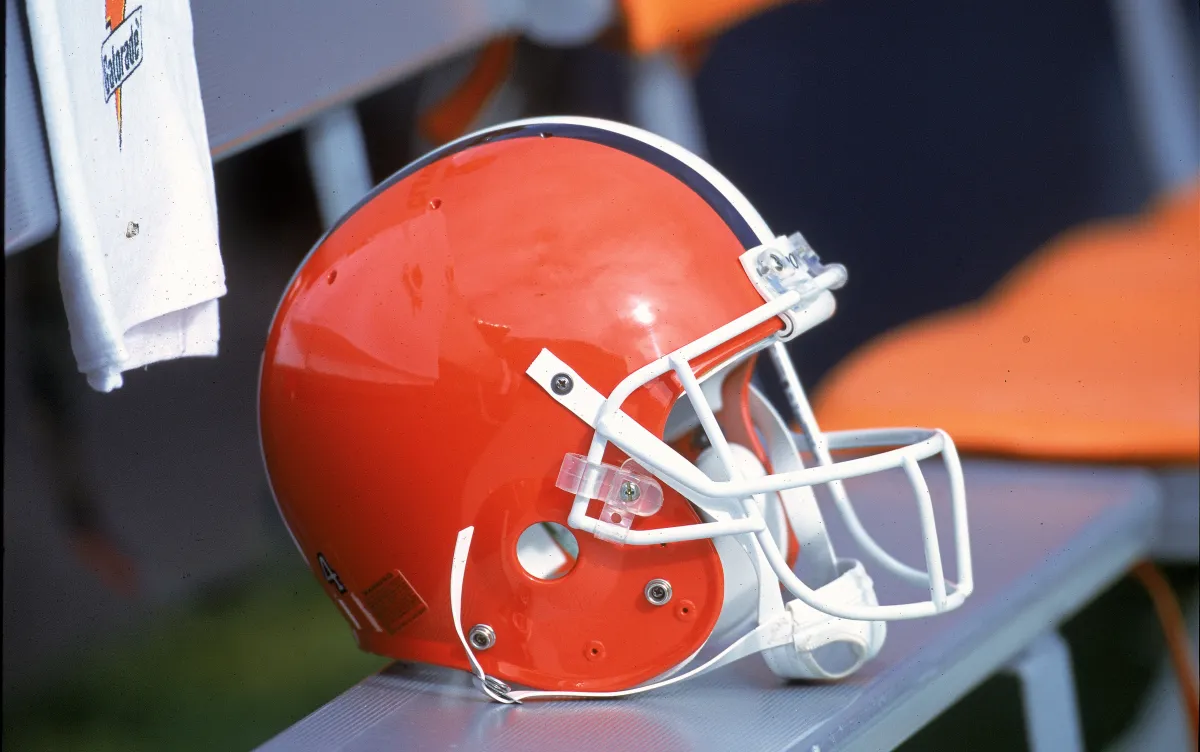
Under the guidance of the legendary Paul Brown, Ptacek’s single season in the NFL was a masterclass in patience and readiness. Serving primarily as a backup quarterback behind starter Milt Plum, Ptacek appeared in 12 games during a spectacular 9-2-1 run that saw the Browns capture the NFL Eastern Conference title and march all the way to the league championship game. Though his statistical footprint in Cleveland was modest—highlighted by three rushing attempts for 13 yards—the experience of contending at the highest level of American professional football was invaluable. Recognizing that his thirst for active playing time was not being quenched in the NFL, Ptacek made the bold, career-defining decision to head north of the border, joining the Saskatchewan Roughriders of the Canadian Football League in 1960. Little did he know, this move would cement his status as a legendary figure in Canadian sports history.
In Saskatchewan, Ptacek finally found the perfect canvas for his versatile masterpiece. Across six unforgettable seasons, he became the heartbeat of the Roughriders, seamlessly transitioning between quarterback, linebacker, and defensive back depending on what his team needed on any given Sunday. He embraced the grueling demands of two-way football, earning Western Conference All-Star honors twice and a coveted CFL All-Star nod in 1964. Ptacek’s leadership and adaptability transformed the Roughriders into perennial contenders, earning him the enduring respect of teammates, opponents, and a passionate fan base that revered his blue-collar toughness. Sadly, an Achilles tendon injury in 1965 cut his playing days short, forcing him into retirement. Yet, he departed the game widely recognized as one of the most accomplished and beloved two-way players in the storied history of the Saskatchewan franchise.
When the cheering crowds finally faded, Ptacek transitioned to life beyond the chalk lines with the same grace and determination that characterized his athletic career. He built a successful second livelihood in the transportation sales industry, working for many years with Yellow Freight, where his natural charisma and discipline served him incredibly well. Beyond his professional achievements, Ptacek’s true pride lay in his family, watchfully guiding a legacy that blossomed to include children, grandchildren, and great-grandchildren who cherished him as their anchor. As the sports world reflects on his passing, Bob Ptacek is remembered not just as a champion of two nations’ football leagues, but as a warm, grounded human being who met every challenge—both on the field of play and in the journey of life—with an unwavering spirit and a generous heart.