



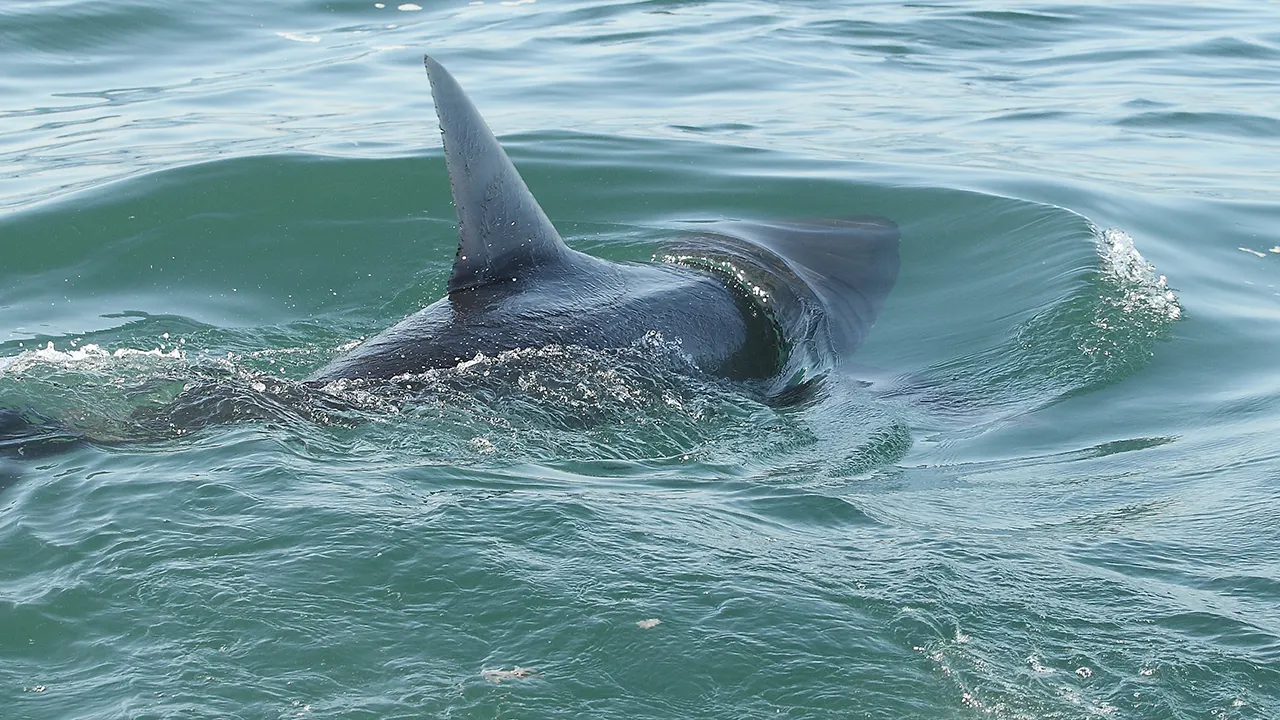
As summer temperatures soar, beachgoers flocking to the East Coast find themselves sharing the surf with some unexpected neighbors. A recent spike in shark sightings, alongside a minor bite incident over the Fourth of July weekend, has put coastal communities and vacationers on high alert. At Jones Beach State Park on Long Island, a swimmer suffered minor, non-life-threatening lacerations to his foot from what wildlife officials believe was a small sand tiger shark. Though the beach was briefly closed for patrolling, it reopened within an hour, reflecting a tricky balance between public safety and the desire to enjoy the ocean.
Further down the shoreline at Rockaway Beach in Queens, New York City’s largest coastal retreat, the waters have been particularly active. Local parks and recreation officials have warned visitors to expect sudden, intermittent closures due to a dramatic rise in shark activity. Since May, Rockaway Beach has logged nearly two dozen shark sightings, with a staggering majority of those occurring in the first few days of July alone. Emergency management agencies are urging sweltering city slickers to stay vigilant and strictly follow the directions of on-duty lifeguards as they seek relief from the summer heat.
This uptick in sightings isn’t unique to New York’s immediate shores. Just a short distance away, lifeguards spotted a shark off Point Lookout, triggering temporary closures there and at neighboring Hempstead beaches. Even Connecticut’s calmer waters saw action when a fisherman hooked and safely released a five-and-a-half-foot sandbar shark just a couple of hundred yards off East Haven Town Beach. While these incidents can easily spark anxiety, marine experts suggest that the sudden rise in reported sightings might actually be a direct result of highly coordinated, modern surveillance efforts rather than a sudden influx of aggressive predators.
To better protect the public, local governments are turning to technology. New York Governor Kathy Hochul recently launched an enhanced aerial surveillance initiative, deploying a sophisticated fleet of drones and trained operators to patrol the Long Island coastline. These eye-in-the-sky drones allow lifeguards and park officials to spot marine life from above long before it nears unsuspecting swimmers. Experts emphasize that actual shark bites remain incredibly rare, and these proactive monitoring systems are designed to keep those odds as close to zero as possible.
Meanwhile, other coastal states are taking a legislative approach to swimmer safety. In Alabama, a new emergency warning system called the Lulu Gribbin Shark Alert System Act was recently signed into law. Named after a brave young survivor who lost her hand and part of her leg in a devastating shark encounter, the system functions similarly to an Amber Alert. By broadcasting real-time, localized emergency warnings directly to cellphones when a shark incident is confirmed nearby, officials hope to give families the crucial information they need to instantly exit the water and prevent successive encounters.
While the thought of sharing the ocean with apex predators can be intimidating, safety advocates emphasize that education and awareness are our best tools. Beyond government alerts and drone patrols, everyday beachgoers can take charge of their own peace of mind. Publicly available tools like the OCEARCH Shark Tracker allow curious swimmers to view the satellite-tracked movements of tagged sharks in real time. By staying informed, respecting local lifeguard warnings, and utilizing modern tracking technology, families can continue to safely enjoy the magic of the ocean all summer long.