



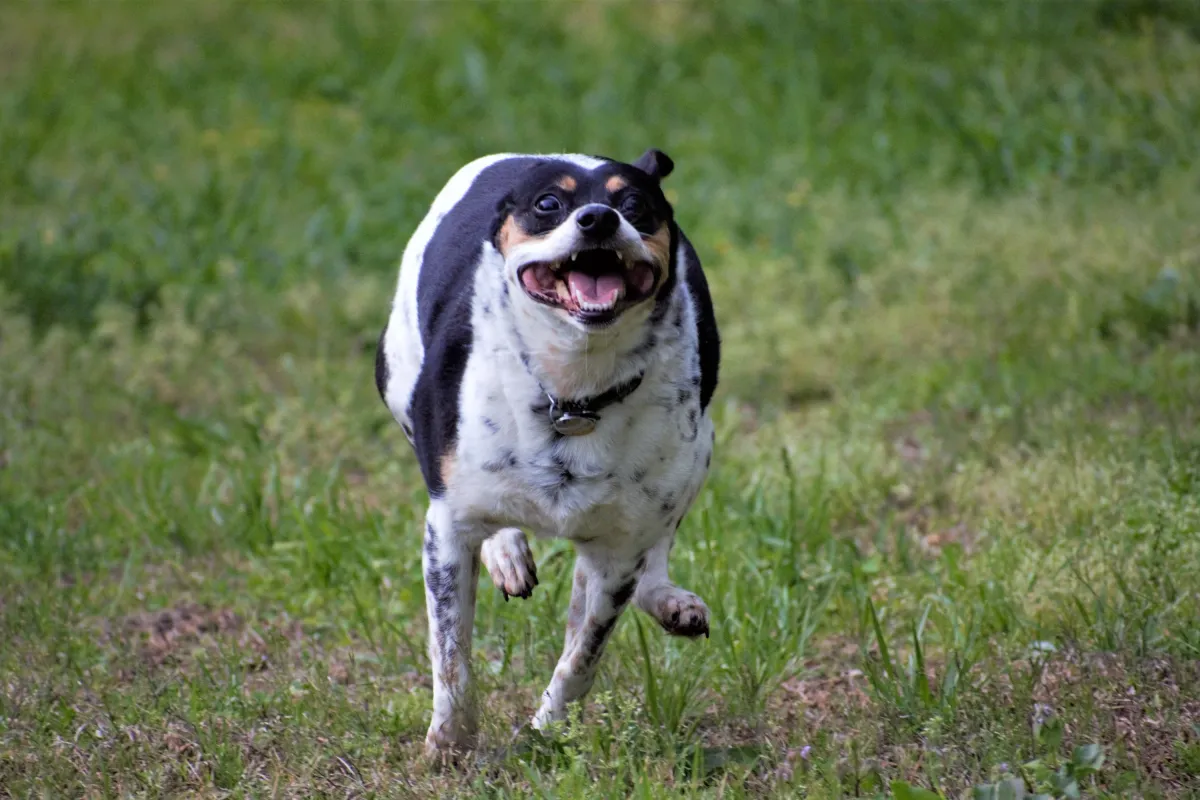
If you have ever settled in for a quiet evening only to have your dog suddenly transform into a furry blur—sprinting wild laps around the living room, dodging the coffee table, and bouncing off the couch—you have witnessed the phenomenon affectionately known as the “zoomies.” Officially termed Frenetic Random Activity Periods (FRAPs) by veterinary professionals, these sudden, explosive bursts of energy are a completely natural part of being a pet. While they can look like a temporary lapse in sanity, these brief episodes of adorable chaos, typically lasting anywhere from thirty seconds to five minutes, are a healthy way for our canine and feline companions to blow off steam and release pent-up physical and emotional energy. But while they are usually just a source of household entertainment, experts note that paying close attention to these hyperactive episodes can offer valuable insights into your pet’s overall well-being.
According to Dr. Ronit Berdugo, a veterinary partner at SynergyLabs, the science behind the zoomies is deeply rooted in an animal’s biology. Although scientists do not fully understand the exact neurological triggers, these episodes are believed to be connected to the sympathetic nervous system, which governs the body’s “fight or flight” response. Before the chaos begins, a pet enters a state of heightened arousal where their blood pressure climbs, their heart rate spikes, and they feel an overwhelming, restless urge to move. However, this does not mean your dog is distressed; rather, it is a healthy mechanism for releasing stored emotions and energy. This is why you will often see zoomies strike after a stressful or restrictive event—such as a long stint in a travel crate, a bath, or a tense visit to the vet clinic—acting as a physical sigh of relief that leaves the animal feeling visibly calmer and more relaxed afterward.
Interestingly, many pet parents notice that these wild episodes happen like clockwork, often in the early morning or late evening. This predictability is tied directly to the natural biological rhythms of dogs and cats, who are crepuscular by nature, meaning they are evolutionary programmed to be most active around dawn and dusk. For indoor cats, these twilight sprints are often a manifestation of their deeply ingrained hunting instincts, allowing them to release the predatory drive they would otherwise use to stalk prey in the wild. Dogs, on the other hand, are often triggered by social cue milestones, such as their owner coming home from work, the end of a structured training session, or even the sheer physical relief of emptying their bladder or bowels.
While any healthy animal can experience the zoomies regardless of their age or genetic makeup, certain pets are much more prone to these sudden sprints. As you might expect, younger animals with boundless energy are the prime candidates for FRAPs, as are specific high-energy, working dog breeds like Labrador Retrievers, Jack Russell Terriers, and Border Collies. However, even the most lethargic couch potato dog or pampered house cat will occasionally surprise their owners with a sudden, joyous dash across the house. For the most part, these bursts of speed are just a sign of a happy, healthy animal celebrating the joy of movement and reacting to the stimulation of their environment.
However, there are times when a sudden shift in this behavior should raise a red flag for pet owners. Dr. Berdugo counsels that while zoomies are generally benign, any sudden, drastic change in your pet’s routine warrants a trip to the clinic, particularly if your pet is older. If a senior dog who has not zipped around in years suddenly starts having intense, frequent episodes, or if they seem entirely unable to settle down afterward, it could be a sign of cognitive decline, chronic pain, or an underlying neurological condition. Owners should also watch closely to see if the frantic running is accompanied by signs of confusion, changes in sleeping patterns, unusual whining or barking, or physical clumsiness, which can indicate that the high energy is a symptom of discomfort rather than joy.
For the vast majority of healthy pets, the best course of action during a zoomie episode is simply to step back and let them enjoy the moment. Trying to interrupt or stop a dog in mid-sprint can cause confusion or accidental injury, so veterinarians recommend simply managing the environment to keep them safe. This means quickly clearing away any fragile decor, blocking off access to sharp furniture corners, and keeping them off slick hardwood or tiled floors where they might slip and pull a muscle. By ensuring your home is a safe runway for their sudden bursts of happiness, you can sit back, laugh, and enjoy the pure, unadulterated joy of your pet simply being a pet.