


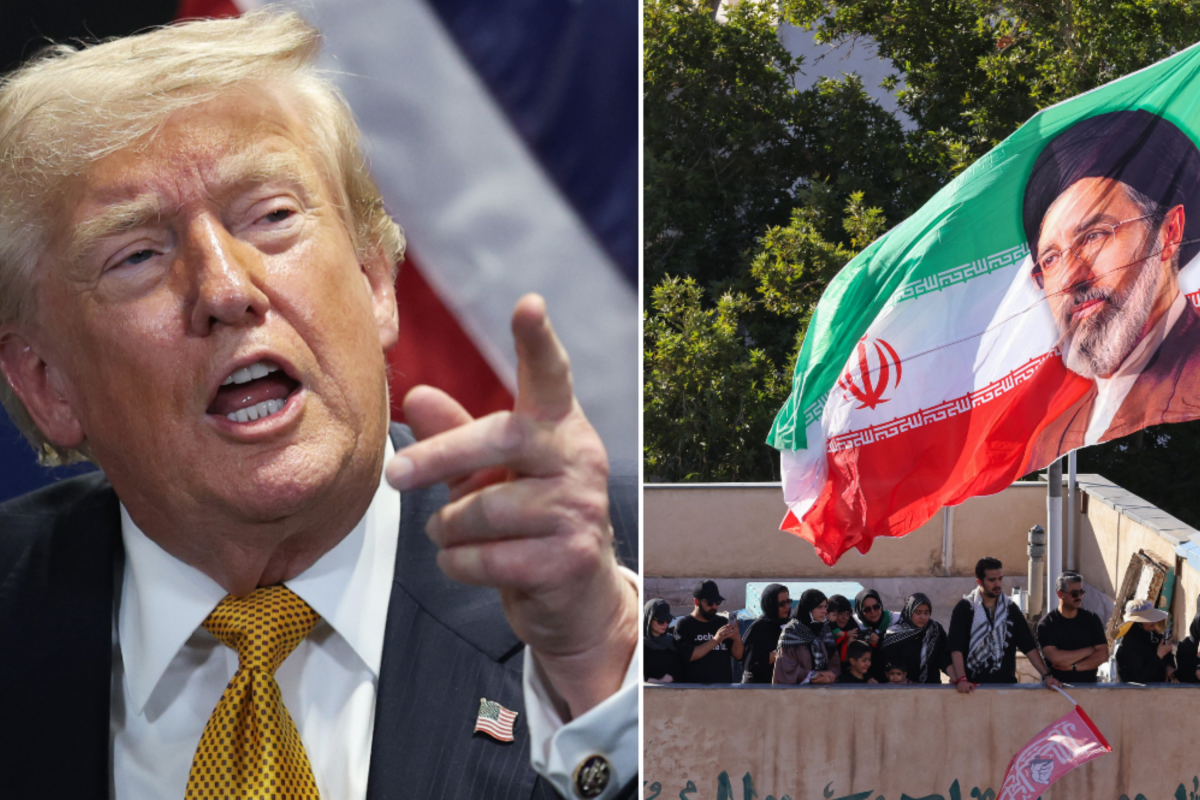
The geopolitical landscape of the Middle East has reached a perilous tipping point following a direct and solemn declaration of vengeance from Iran’s newly installed Supreme Leader, Mojtaba Khamenei. During emotional state funeral ceremonies honoring his late father, Ayatollah Ali Khamenei—who was killed alongside other high-ranking officials in a devastating, coordinated U.S.-Israeli airstrike on February 28—the younger Khamenei broke his silence to announce that retribution is not merely a political option, but an absolute national certainty. The elder Khamenei had ruled the Islamic Republic since 1989, making his assassination a seismic event that instantly shattered regional power dynamics. For Mojtaba Khamenei, who assumed the mantle of leadership while reportedly nursing injuries sustained in that very same fatal strike, this fight is intensely personal. His written decree, framing revenge as the sacred demand of a grieving nation, served to legitimize his new reign while rallying a fiercely nationalistic public that has flooded city streets demanding immediate retaliation against Western allies.
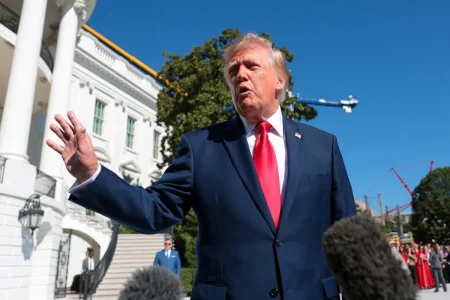
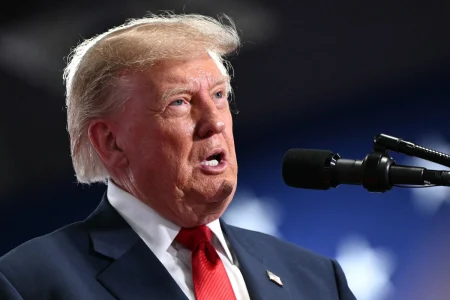
This looming promise of a counterstrike has locked Washington and Tehran in a high-stakes game of chicken, with President Donald Trump drawing an uncompromising and remarkably aggressive red line. In a raw display of military deterrence, Trump publicly declared that any Iranian attempt on his life or those of key American figures would trigger a swift, overwhelming, and potentially catastrophic response. Trump warned that “1,000 missiles” stand locked, loaded, and permanently aimed at Iranian targets, with standing orders already authorized to decimate the country’s infrastructure should a successful assassination occur. This severe narrowing of diplomatic wiggle room has left international observers deeply alarmed. With both administrations cornered by their own public rhetoric, the margin for miscalculation has grown dangerously slim, turning what was once a highly shadow-based cold war into an overt, volatile standoff where a single spark could ignite a much larger, uncontrollable conflagration.
At the very center of this brewing storm is the critical Strait of Hormuz, a narrow maritime artery that acts as the lifeblood of the global energy economy. Approximately twenty percent of the world’s petroleum passes through this volatile chokepoint, making any localized conflict here an immediate crisis for households worldwide. Following the February airstrikes, Iran targeted shipping lanes in the strait, causing maritime traffic to plummet and sending global energy markets into a tailspin. For everyday consumers, this translates directly to higher prices at the gas pump and a sharp spike in inflation. Though the international community scrambled to stabilize the region, the vulnerability of the strait remains a constant economic threat. Any sustained disruption to this vital passage could easily plunge the global economy into a severe recession, transforming a localized political assassination into a widespread financial crisis felt in neighborhoods thousands of miles away.
This escalating friction comes at a time when fragile diplomatic channels are already fraying at the seams. In mid-June, a tenuous memorandum of understanding brokered by neutral mediators like Oman established a 60-day ceasefire designed to halt active hostilities, reopen shipping lanes, and lay the groundwork for renewed nuclear discussions. However, this hard-won peace was incredibly short-lived. Within weeks of the signing, the agreement began to disintegrate under the weight of mutual distrust. Fresh skirmishes erupted in the Persian Gulf as commercial vessels came under attack, prompting swift U.S. military retaliation. While Tehran privately claimed some of these maritime strikes were operational mistakes, they nonetheless accused Washington of repeatedly violating the sovereign terms of the agreement, reinforcing a tragic and familiar cycle where diplomatic efforts and military engagement occur simultaneously.
The internal political landscape of Iran adds another layer of complexity and unpredictability to this explosive mix. Mojtaba Khamenei’s transition to the supreme leadership has been shrouded in secrecy and whispers, particularly because his physical absence from public ceremonies has forced him to rely almost entirely on written proclamations. While official channels attribute this detachment to recovery from injuries suffered during the February 28 bombardment, the lack of face-to-face public appearances has fueled intense speculation regarding the stability of his health and his actual grip on the country’s vast security apparatus. This domestic uncertainty makes the external threat of war a useful tool for consolidating power, as uniting the public against a foreign adversary is a time-tested strategy for a new regime seeking to establish its authority under fire.
As the world watches anxiously, the Middle East remains suspended in a tense, unpredictable limbo. Behind closed doors, regional diplomats continue their frantic attempts to salvage the crumbling June ceasefire, even as naval fleets and missile defense systems across the Persian Gulf remain on high alert. The upcoming weeks will prove decisive in determining whether cool heads can prevail through backchannel negotiations, or if the persistent calls for ancestral vengeance will drag the region into an all-out war. In the narrow, disputed waters of the Strait of Hormuz, where global economic survival and fierce national pride directly collide, the next move on this geopolitical chessboard will decide whether the world heads toward a uneasy peace or a catastrophic escalation.