





The dust has finally settled on a breathtaking fourth day of the 2026 World Cup across North America, leaving soccer fans worldwide thoroughly exhausted yet absolutely desperate for more action. If the opening days of this expanded tournament were about testing the waters of a historic forty-eight-team format, Day 4 was the moment the competition truly erupted into life, delivering what was easily the most electrifying and drama-filled showcase we have witnessed so far. Eight eager national teams made their highly anticipated debuts on the grand stage, introducing a mesmerizing variety of tactical styles, cultural flair, and emotional narratives to the continental party. From the sprawling, sun-filled arenas in United States cities to the passionately loud, iconic venues of Mexico and the roaring stands in Canada, the atmosphere was nothing short of a massive carnival, matching the sheer, unrestrained volume of goals that rained down throughout the day. It was a day where the beautiful game lived up to its name in every conceivable way, kicking off with an absolute goal-fest that defied all expectations of defensive organization and ending with the dramatic emergence of a new, highly capable dark horse on Mexican soil. As fans and analysts dissect the fallout of these momentous fixtures, the initial excitement has given way to serious tactical reflection on how these results have completely reshaped the standings. This single day of high-stakes soccer didn’t just entertain; it answered critical questions about squad depth, mental fortitude, and tactical flexibility, while simultaneously throwing several pre-tournament predictions into absolute chaos. Ultimately, Day 4 set a spectacularly high benchmark for the matches to come, separating the clinical, cold-hearted tacticians from the emotional dreamers and laying down a formidable challenge to every other nation hoping to write their own chapter of sporting history and lift the iconic trophy at the end of this month-long marathon.
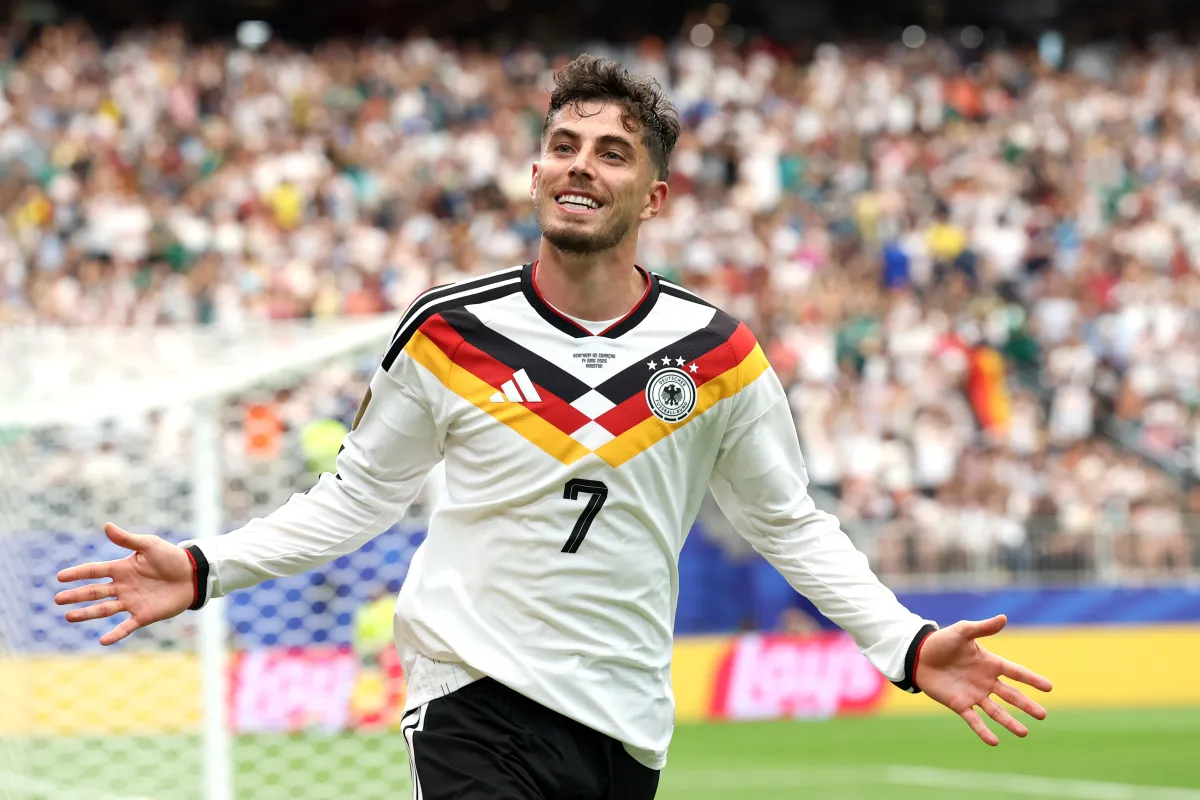
For those fortunate nations who find themselves residing in the coveted “I’m Pleased” tier after their initial matches, the feeling is a mixture of profound relief and bubbling optimism. Chief among them, though perhaps with a few lingering defensive worries to address on the training ground, is Germany. The historically dominant European powerhouse did not have the smooth, straightforward walk in the park that many had penciled in before kickoff, as they were initially rattled by a courageous and defiant opponent. Fans around the world collectively gasped when Curaçao, the smallest nation to ever grace this magnificent tournament, shocked the footballing hierarchy by equalizing at 1-1 early in the first half, momentarily threatening to script the greatest upset in modern sporting history. However, the German machine proved too disciplined, ruthless, and physically imposing to let the fairy tale continue, eventually finding their rhythm, overwhelming the brave underdogs with wave after wave of clinical attacks, and closing out the game by a resounding, utterly dominant scoreline of 7-1. Not to be outdone by the German display, both Sweden and the Ivory Coast recorded stellar opening wins that will have their upcoming rivals watching the tape with a sense of genuine dread. Sweden overcame a tight, cautious first half against Tunisia to put on an absolute offensive masterclass in the second forty-five minutes, moving the ball with a level of fluid, telepathic chemistry, rapid shifting of plays, and devastating attacking instinct that completely dismantled their opponents. Meanwhile, the Ivory Coast demonstrated exactly why they are regarded as potential giants in this tournament by displaying incredible patience and technical intelligence, successfully unlocking what many analysts considered to be an impenetrable Ecuadorian defensive line to secure three massive points. Alongside heavyweights like Brazil, the Netherlands, and a highly polished Mexican side playing in front of a frenzied home crowd, these teams have shown they have both the composure and the explosive firepower required to thrive under the intense psychological pressure of a World Cup.
On the other side of the emotional spectrum lies the anxious “Got Work to Do” tier, a collection of proud nations who realize their World Cup dreams will quickly evaporate without immediate, drastic interventions. For teams like Scotland, Switzerland, Czechia, Bosnia, Qatar, Turkey, and co-hosts Canada, the opening matches were a harsh, unforgiving reminder that the margin for error at this level is practically non-existent; goodwill and passionate home support can only carry a team so far before tactical deficiencies are exposed. The most tragic narrative of this group belongs to Ecuador, a team that many expert pundits had picked as a deep-run dark horse due to their remarkably disciplined, world-class defensive system. For the vast majority of their highly tactical clash against the Ivory Coast, that legendary Ecuadorian defense performed exactly as advertised, shutting down channels, winning physical duels, and restricting some of the finest attackers in the world to half-chances. Yet, football is a game won in the penalty boxes, and Ecuador’s incredibly toothless, sterile, and horizontal possession play showed a frustrating failure to execute under pressure, highlighting a complete lack of creative spark when they ventured into the final third. They looked like a team playing without a map once they crossed the halfway line, unable to translate their defensive solidity into a genuine goal-scoring threat or create any moment of individual magic capable of turning the tide. This structural imbalance leaves them in a highly vulnerable, desperate position in an unforgiving group where goals are the ultimate currency, forcing their coaching staff into emergency tactical re-evaluations ahead of their make-or-break second fixture. For Canada and Scotland, the challenge is similar; playing with enormous passion and heart is a wonderful spectacle for their devoted fans, but without a cold, calculated efficiency in front of the net, their World Cup journeys will end long before the knockout rounds begin.
Yet, if there is a silver lining to be found in the struggles of the underdogs, it lies in the pure, unadulterated human drama that makes this tournament the greatest show on earth, perfectly exemplified by the brave souls of Curaçao. Going up against a footballing superpower like Germany is a task that would make even seasoned international veterans tremble, but this tiny Caribbean island nation refused to show even a flicker of fear on the biggest day of their sporting history. Instead of retreating into an ultra-defensive, low-block shell to merely minimize the impending damage, they took the fight directly to their illustrious opponents with an admirable blend of fearlessness and ambition. When they managed to scratch and claw their way to a historic equalizing goal early in the contest, the sheer, explosive joy that erupted from their bench and their small pocket of traveling fans was a sight of pure sporting magic, encapsulating the true essence of why we fall in love with this game’s capacity for miracles. It was a beautiful reminder that the controversial expansion of the World Cup to forty-eight teams, despite the valid criticisms of dilution of quality, has opened the door for moments of genuine immortality for smaller nations who historically had no path to this stage. Even though Germany’s vastly superior squad depth, elite professional conditioning, and world-class bench quality eventually took its inevitable toll as the match progressed, Curaçao departed the pitch with their heads held high and their dignity entirely intact. They did not just participate; they left an indelible mark on the tournament’s history books, illustrating that there is a profound difference between being physically outclassed and being broken in spirit. They proved that the essence of soccer isn’t just about the final score on the scoreboard, but about the courage to stand toe-to-toe with giants on the world’s grandest stage.
In stark and painful contrast, there are nations in the “Might Be On Vacation Soon” tier where the atmosphere is incredibly bleak, characterized by a depressing lack of fight and a sense of impending doom. For teams like Haiti, Paraguay, South Africa, and Tunisia, the road ahead looks like a steep, near-impossible mountain to climb after opening matches that exposed deep-seated issues in both quality and, more disappointingly, mental resilience. Tunisia, in particular, offers a sobering, highly public cautionary tale of how quickly a World Cup dream can turn into a nightmare when a squad’s collective mentality crumbles under adversity. For the first fifty minutes of their match against Sweden, they looked organized and competitive, holding their own in physical duels and executing their defensive game plan with a reasonable level of discipline. However, the moment Sweden broke the deadlock with a brilliant, intricate team goal, followed quickly by a devastating second that shattered their defensive blockade, the Tunisian players appeared to completely throw in the towel, abandon their tactical assignments, and capitulate in real-time. Their shoulders slumped, their pressing ceased, and their collective body language betrayed a team that had spiritually checked out of the game. Had the referee added another ten minutes of stoppage time to the match, Sweden likely would have doubled their tally, as the Tunisian defense simply stood and watched, offering no resistance and displaying a defeatist body language that was incredibly painful to witness for their loyal supporters. Unlike Curaçao, who fought valiantly for every blade of grass until the final whistle, these struggling sides look like they are already mentally on vacation, lacking the cohesion, tactical discipline, and fighting spirit required to mount a dramatic turnaround in their remaining fixtures.
As the dust continues to settle on a dramatic Day 4, the tournament’s sprawling, multi-city narrative is beginning to take a highly compelling, deeply human shape, setting the stage for an explosive second round of group stage fixtures. We have officially moved past the introductory phase of the competition; the initial nerves have been shaken off, the tactical cards have been laid on the table, and the real battle for survival begins now. The coming days will demand immense tactical courage and psychological strength from coaches and players alike, as the margin for error shrinks to absolute zero for those struggling at the bottom of the rankings. Managers of the underperforming nations will undoubtedly spend sleepless nights in film rooms, desperately seeking the tactical adjustments necessary to spark their quiet offenses or shore up their leaky defenses before their next matches. Meanwhile, the elite frontrunners will be focused on avoiding complacency, knowing that in the World Cup, a single moment of arrogance can lead to a catastrophic, tournament-ending downfall. With stadiums packed to the absolute rafters across three vibrant host nations and millions of passionate fans living and dying by every pass, tackle, and shot, the stage is set for an unforgettable continuation of this historic 2026 World Cup, where more legends will be made, hearts will inevitably be broken, and the beautiful game will continue to write its unpredictable, mesmerizing story. Every pass will carry the weight of a nation’s hopes, and every mistake will be magnified under the unyielding glare of global scrutiny. As we transition from the exciting opening salvos to the high-stakes chess match of the second group fixtures, the beauty of the World Cup remains in its promise of the unexpected, ensuring that the world will remain captivated by the unfolding drama in North America.