






The familiar, comforting sizzle of bacon as it hits a hot skillet is a ubiquitous soundtrack to the American morning, an olfactory siren song that promises warmth, premium flavor, and a savory start to the day. For generations, this humble strip of cured pork has transcended its status as a simple breakfast side dish to become an absolute cultural icon, celebrated in gourmet metropolitan bistros, roadside diners, and cozy suburban kitchens alike. Yet, that near-universal sensory bliss was abruptly interrupted for thousands of households across the Pacific Northwest following a sudden and urgent directive from federal regulators to immediately halt the consumption of certain Canadian pork products. The United States Department of Agriculture issued an urgent recall of more than 12,000 pounds of bacon imported from our northern neighbors, transforming a beloved kitchen staple into a source of immediate domestic anxiety, scientific scrutiny, and grocery store panic. For the families who had already tucked these vacuum-sealed packages into their refrigerators, planning for lazy weekend brunches, quick weekday breakfast sandwiches, or savory evening additions, the announcement served as a jarring reminder of how quickly our daily comfort foods can become a focal point of biological concern and physical risk. This was not a minor clerical error but a profound breakdown in the safety net that stands between the complex global food supply chain and the civilian dining table. By elevating this notice to its most severe, high-risk classification, authorities signaled that the procedural failure was too critical to overlook, forcing a permanent pause on the meal plans of countless citizens who buy groceries under the assumption that the food has been meticulously checked. In our modern, fast-paced world, we rarely contemplate the long journey our food takes, but an event like this abruptly shatters that complacency, urging us to look closer at the packages we bring home to feed our families and reminding us of the delicate trust we place in global systems of agricultural governance.
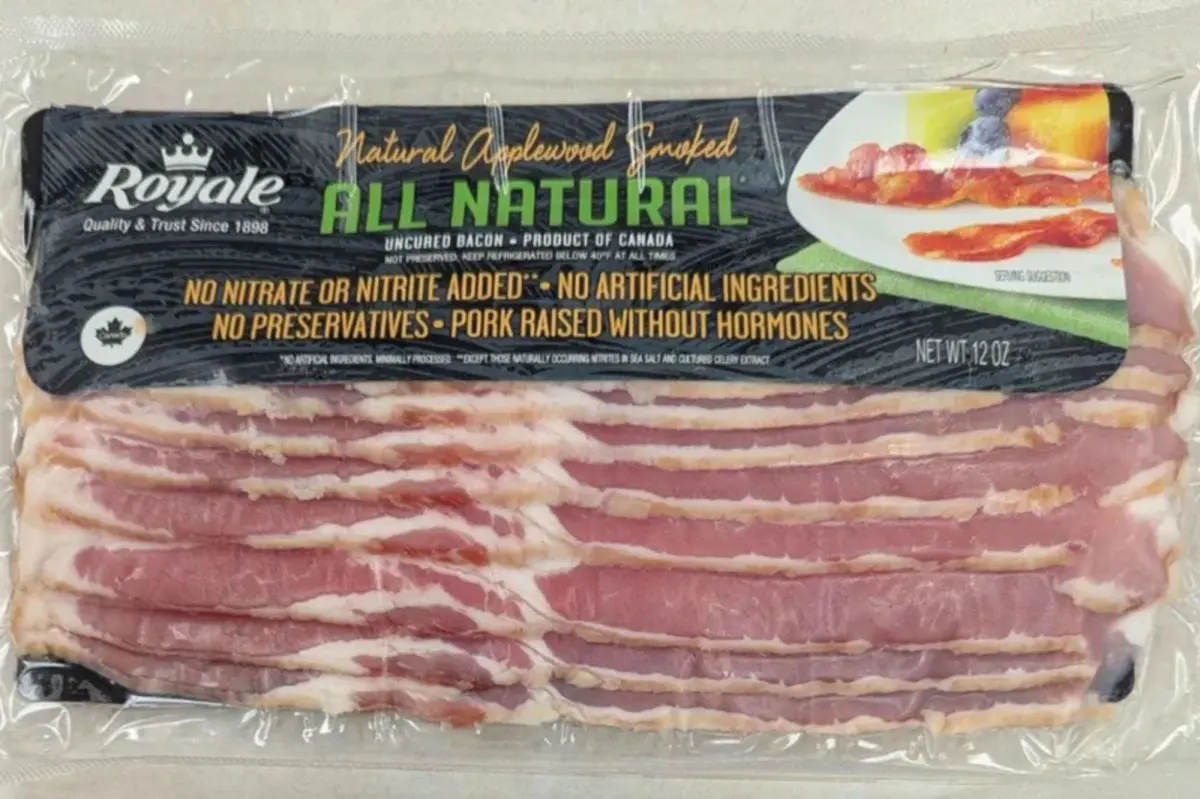
At the direct center of this public health disruption is Maple Leaf Foods, a major and highly established meat-processing corporation based in Mississauga, Ontario, whose products bypassed a vital physical checkpoint upon entering the United States. Specifically, the recall targets twelve-ounce vacuum-sealed packages of “Royale Natural Applewood Smoked uncured bacon product” as well as twelve-ounce packages of “Top Valu uncured Hardwood Smoked bacon product,” both of which successfully navigated their way onto local retail shelves and into shopping carts in Idaho, Oregon, and Washington. Federal safety regulators officially designated this emergency measure as a “Class I” recall, which represents the USDA’s most grave and hazardous warning category, reserved specifically for situations where there is a reasonable, scientifically validated probability that eating the food will cause serious, adverse health consequences or even death. Although the USDA’s Food Safety and Inspection Service confirmed that no illnesses or adverse medical reactions have been reported in connection with these specific bacon batches so far, the complete lack of certified import reinspection at the boundary lines forced the government to issue an ultimate warning, urging consumers to either immediately discard the products in their household trash or return them to their local point of purchase for a full refund. The sheer volume of the recalled meat—amounting to over six tons of premium pork spread across three sprawling Western states—highlights the massive, dizzying logistical scale of modern food distribution networks and the terrifying speed with which unverified, potentially compromised goods can penetrate domestic markets, leaving everyday shoppers to double-check their expiration dates and serial numbers with sudden, deep-seated hesitation during their weekly grocery store trips.
The core offense in this situation lies in an administrative omission that might seem academic to the casual bystander but is actually the cornerstone of international food safety: the import reinspection process. When foreign meat shipments enter the United States, inspectors from the Food Safety and Inspection Service do not simply wave them through shipping gates; they conduct rigorous, hands-on physical evaluations of the physical cargo to ensure it has survived transit without spoiling. During these routine but vital checks, agents physically assess the general condition of the food, scanning for signs of transportation damage, temperature abuse such as thawing in frozen goods, abnormal swelling in canned products, unusual chemical or organic odors, and incorrect or misleading labeling. When an alarm is raised or a shipment appears suspicious, inspectors can immediately escalate their scrutiny, sending random samples to specialized laboratories to screen for deadly pathogens like E. coli and Salmonella, or even conducting genetic tests to rule out species fraud to guarantee that what is labeled as premium pork is not actually something else entirely. Once a product successfully navigates this gauntlet, it is stamped with the coveted circular USDA mark of inspection, a seal of approval that represents an invisible shield of safety for the American culinary landscape. Because these specific Maple Leaf packages somehow slipped into domestic commerce without receiving this critical verification, they represent a complete black box of potential biological risk, leaving authorities with no logical choice but to treat the untested pork as a major liability to public health and a threat to the family kitchen.
In the wake of this dramatic announcement, a quiet tension has settled over the culinary supply chain as Maple Leaf Foods has yet to clarify how such a massive logistical loophole was breached. Representatives for the prominent Canadian exporter remained notably tight-lipped, failing to quickly return urgent phone calls and detailed email inquiries seeking to explain how twelve thousand pounds of bacon escaped the mandatory reinspection protocols at their Illinois distribution hub. This silence only amplifies the anxiety of regional consumers and independent retailers who are left wondering whether this was an isolated automated database glitch, a human clerical error, or a symptom of a deeper, systemic vulnerability within international shipping corridors. The vulnerability exposed by this incident highlights the delicate and incredibly complex machinery of modern global food sourcing, where products cross international borders at breakneck speeds to satisfy immediate consumer demand for freshness and variety. In a world where we expect ingredients from across the globe to be readily available at our neighborhood markets, the invisible systems of tracking, labeling, and verifying must work flawlessly every single second of the day. When a breakdown of this magnitude occurs without immediate explanation or accountability, it leaves a communicative void that challenges the trust between food producers and the households that rely on them for sustenance, highlighting how easily a single overlooked clipboard or skipped computer entry can disrupt thousands of domestic dinner tables and shake the confidence of the entire retail industry.
Adding fuel to the fire of consumer anxiety is the highly sensitive timing of this recall, which coincides with mounting economic and geopolitical friction between the United States and Canada. President Trump’s impending 50% tariff on a vast array of Canadian imports—spanning from automotive parts and raw industrial materials to essential agricultural goods like dairy and alcohol—is scheduled to take effect on August 19th, creating an atmosphere of intense trade volatility and nationalistic posturing. While there is no direct evidence linking the regulatory failure of this bacon shipment to these shifting economic policies, the overlap inevitably heightens the drama for casual observers, market analysts, and agricultural experts alike. It serves as a stark reminder of how intertwined our daily groceries are with global political dynamics, where trade negotiations, custom clearance speeds, and regulatory enforcement regimes often collide in highly unexpected, real-world ways. For regional grocery stores and local distributors in the Pacific Northwest already struggling with the supply chain hurdles and preparing for the financial shocks of new tariff regimes, navigating a high-profile Class I safety recall adds another layer of operational chaos and financial loss, reinforcing the reality that our food supply is never truly insulated from the broader currents of international relations, geopolitical posturing, and administrative stress. These economic realities make every food recall feel less like a simple health precaution and more like a battleground in a larger struggle over borders, safety, and trade sovereignty.
Furthermore, this Canadian bacon incident does not exist in a vacuum but is part of a broader, highly troubling summer of food safety scares that have put American consumers on high alert. Most notably, a massive cyclospora food poisoning outbreak linked to fresh iceberg lettuce imported from Mexico has already sickened more than 7,000 individuals across the United States. This devastating crisis forced Taylor Farms of Salinas Valley, California, to issue a widespread, emergency recall of its entire crop of Mexican-grown lettuce, driving home the terrifying reality that even our favorite, supposedly healthy fresh salads can sometimes harbor invisible, microscopic hazards that can lead to severe hospitalization. When stacked against such widespread public health emergencies, the preemptive recall of Maple Leaf’s uninspected bacon highlights the vital, life-saving importance of proactive government regulation. It reminds us that while the food production industry constantly strives for maximum corporate efficiency, speed, and profitability, the ultimate line of defense remains the diligent, underappreciated inspectors who analyze our borders, ensuring that before any product is sizzled in a pan, baked in an oven, or served to our families, it has fully earned its stamp of safety, preserving the simple, sacred joy of sharing a meal without fear, and protecting the quiet, daily peace of our dining tables.