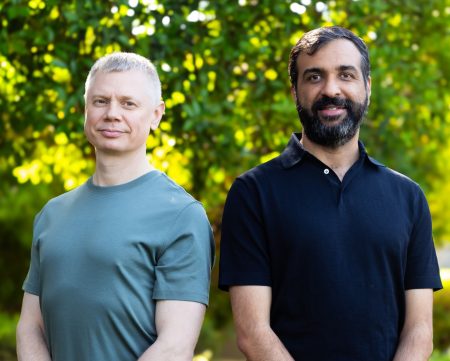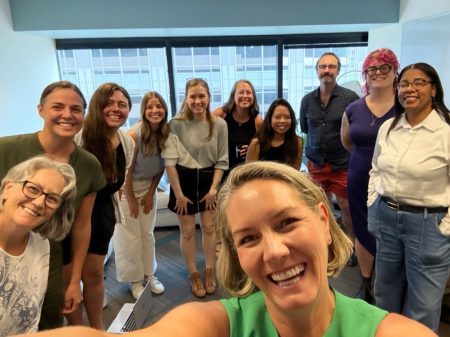






In the rapidly evolving landscape of educational technology, Seattle-based startup Wild Zebra is charting a distinct and deeply human course, securing a substantial $6 million seed funding round to accelerate the development of its specialized AI-powered learning platform. Led by Bellevue-based Trilogy Equity Partners, with participation from Tetherpoint Capital and prominent angel investors like Shrikesh Majithia, this oversubscribed investment brings the company’s total funding to an impressive $8 million. Founded in 2024 by experienced educational technology veteran Edan Shahar and seasoned AI technologist Erik Selberg, Wild Zebra is designed specifically for students in grades 2 through 9, a critical developmental window where children transition from learning to read to reading to learn, and where mathematical concepts shift from concrete arithmetic to abstract reasoning. The core team of ten plans to deploy this newly acquired capital to expand its engineering capabilities and scale its marketing and sales strategies. The investment represents more than just financial backing; it is a validation of Wild Zebra’s unique vision of child-centered technology. Trilogy’s Managing Director, Amy McCullough, who is joining the company’s board of directors, initially encountered the team not as a venture capitalist, but as a parent seeking effective test-prep solutions. Her family had previously used Test Innovators, the highly successful private-school admissions test-prep platform that Shahar spent nearly a decade leading, and she was thoroughly impressed by how that product brought clarity and comfort to families during high-stakes educational moments. This personal experience convinced McCullough that Shahar and Selberg possessed the rare combination of technical expertise, pedagogical empathy, and operational experience required to build a truly student-centric AI companion that can genuinely support families, rather than simply automating the classroom experience.
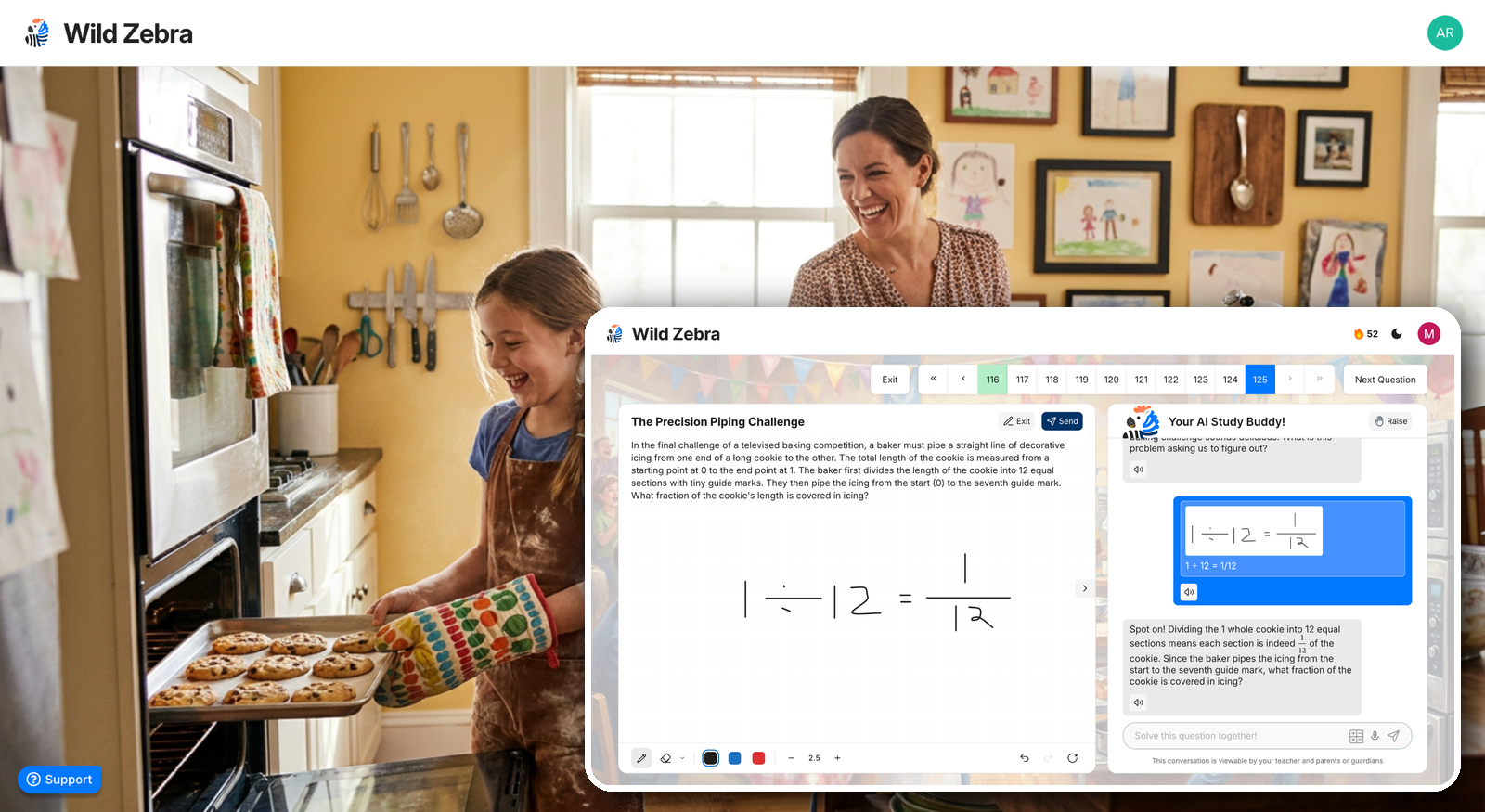
What sets Wild Zebra apart from the overwhelming wave of generic AI products is its commitment to the ancient, proven art of Socratic instruction, establishing an interactive dialogue that prioritizes the journey of discovery over the instant gratification of a correct answer. Rather than serving as a digital shortcut that effortlessly hands over completed equations, the platform acts as a patient, encouraging guide, breaking down complex math and reading problems into manageable, conceptual steps. For instance, when a student is presented with a fractional math problem framed around baking a delicious cookie, the AI does not simply solve the problem when the student makes progress; instead, it validates the student’s initial breakthrough—such as recognizing that each portion represents a twelfth of the whole—and gently prompts them with the next logical question to encourage further critical thinking. This methodical approach is further enhanced by deep personalization, as the platform dynamically wraps core curriculum concepts around the unique personal interests and hobbies of each individual child, whether they are passionate about baking, competitive sports, creative writing, playing music, or video games. By anchoring complex learning objectives within the reassuring, familiar context of a student’s existing passions, Wild Zebra effectively lowers the emotional barriers of frustration and self-doubt that so often hinder academic progress. This customized framing helps students build intuitive, long-lasting mental models, transforming what could have been a tedious, abstract chore into an engaging, intellectually stimulating adventure that honors each child’s unique personality.
Beyond teaching core academic subjects, the Wild Zebra platform features a highly sophisticated conversational analysis engine designed to evaluate the qualitative aspects of a student’s engagement, looking far beyond simple correct or incorrect answers. While traditional educational software focuses almost exclusively on academic metrics or flagging off-task behavior, Wild Zebra’s algorithms actively search for vital indicators of character and cognitive development, such as intellectual curiosity, focus, creative problem-solving, and emotional resilience in the face of difficult challenges. When a child encounters a particularly difficult roadblock but chooses to try multiple approaches rather than giving up, the platform notices this display of persistence and highlights it. These moments of authentic growth and effort are captured and shared through intuitive, real-time dashboards designed specifically for parents and classroom teachers. This deliberate design shift is intended to disrupt the traditionally punitive feedback loops of schooling by creating systemic opportunities to, in the words of CEO Edan Shahar, “catch kids being good, too.” By celebrating a child’s determination and curiosity rather than just their raw test scores, the platform helps build a healthier, more supportive triangle of communication between the student, their family, and their educators, fostering a growth mindset where mistakes are viewed as valuable milestones on the path to mastery.
This deeply tailored approach provides Wild Zebra with a strong, defensible position in an increasingly crowded educational market dominated by massive technology corporations. Over the past year, tech giants like OpenAI and Google have integrated highly capable study tools into their general-purpose models, while Anthropic recently released a classroom-focused version of its Claude model, and established non-profits like Khan Academy continue to expand their proprietary tutoring tools. However, Shahar notes that while these general-purpose chatbots are highly proficient at providing immediate answers to isolated inquiries, they fundamentally lack the structural memory and pedagogical continuity required to guide a child’s learning over weeks, months, or years. To solve this, Wild Zebra constructs a highly dynamic, individualized “learning tree” for every student, mapping out which concepts have been fully mastered, identifying underlying academic gaps, and plotting the most effective path forward. This structural framework allows the AI to systematically guide the student’s long-term educational journey, rather than simply reacting to whatever immediate questions they decide to type into a chat box. Furthermore, rather than viewing these massive tech companies as existential threats, Wild Zebra approaches them as essential infrastructure providers, utilizing their state-of-the-art underlying language models as the raw engine power upon which they build their highly specialized, child-safe, and pedagogically sound software layer.
The real-world impact of this specialized design is already visible in Wild Zebra’s impressive market traction, with the platform’s reach growing from 6,000 students last year to tens of thousands of active users today, logging hundreds of thousands of educational conversations. The company recently launched its direct-to-consumer subscription model, offering families access to the platform for $48 per month per child, with early adoption driven largely by enthusiastic parents at pilot schools who wanted to bring the technology home for their other children. In institutional settings, Wild Zebra has forged a powerful partnership with E3n, an organization formed through the merger of the Educational Records Bureau (ERB) and the Enrollment Management Association (EMA), which serves a prestigious network of selective private schools. ERB’s strategic investment in Wild Zebra in 2024 has enabled a deep integration between standardized testing and daily instruction, allowing schools to use a student’s formal exam results to automatically establish an accurate, highly customized starting point within the Wild Zebra learning platform. This collaborative framework bridges the gap between high-stakes testing and daily learning, turning static, once-a-year assessment data into a dynamic, actionable roadmap that teachers and students can use together to address specific learning needs on a daily basis.
The empirical evidence supporting Wild Zebra’s approach is highly encouraging, highlighted by a recent independent evaluation conducted by E3n involving 722 students across math and reading disciplines. When measured against comprehensive norm groups built from historical test data of hundreds of thousands of students, the fifth and sixth graders utilizing Wild Zebra demonstrated notable academic growth, outperforming their peers by four to eight percentage points. Building on this initial success in the private school sector, Wild Zebra is actively in discussions to expand its platform into charter and public school systems, aiming to democratize access to high-quality, personalized tutoring for students of all socioeconomic backgrounds. As the company grows, Shahar remains refreshingly clear-eyed about the societal skepticism surrounding educational AI, acknowledging valid concerns ranging from student data privacy to the massive environmental footprint of large-scale data centers. Rather than dismissing these complex ethical challenges, Shahar maintains a pragmatic, solution-oriented philosophy, choosing to focus his team’s energy on maximizing the transformative, positive potential of the technology in the lives of young learners. By combining cutting-edge technology with classic Socratic teaching methods, Wild Zebra is proving that artificial intelligence can be designed to honor, elevate, and support human potential, helping children build the confidence, resilience, and curiosity they need to thrive.