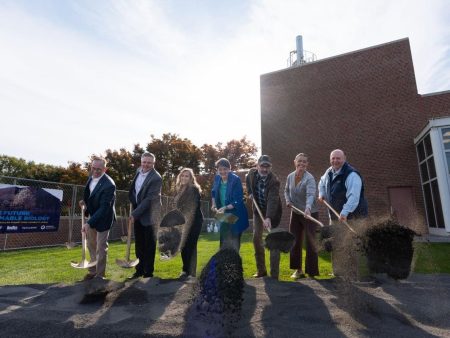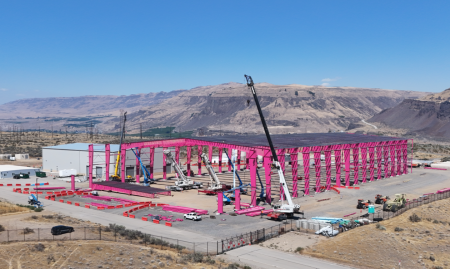



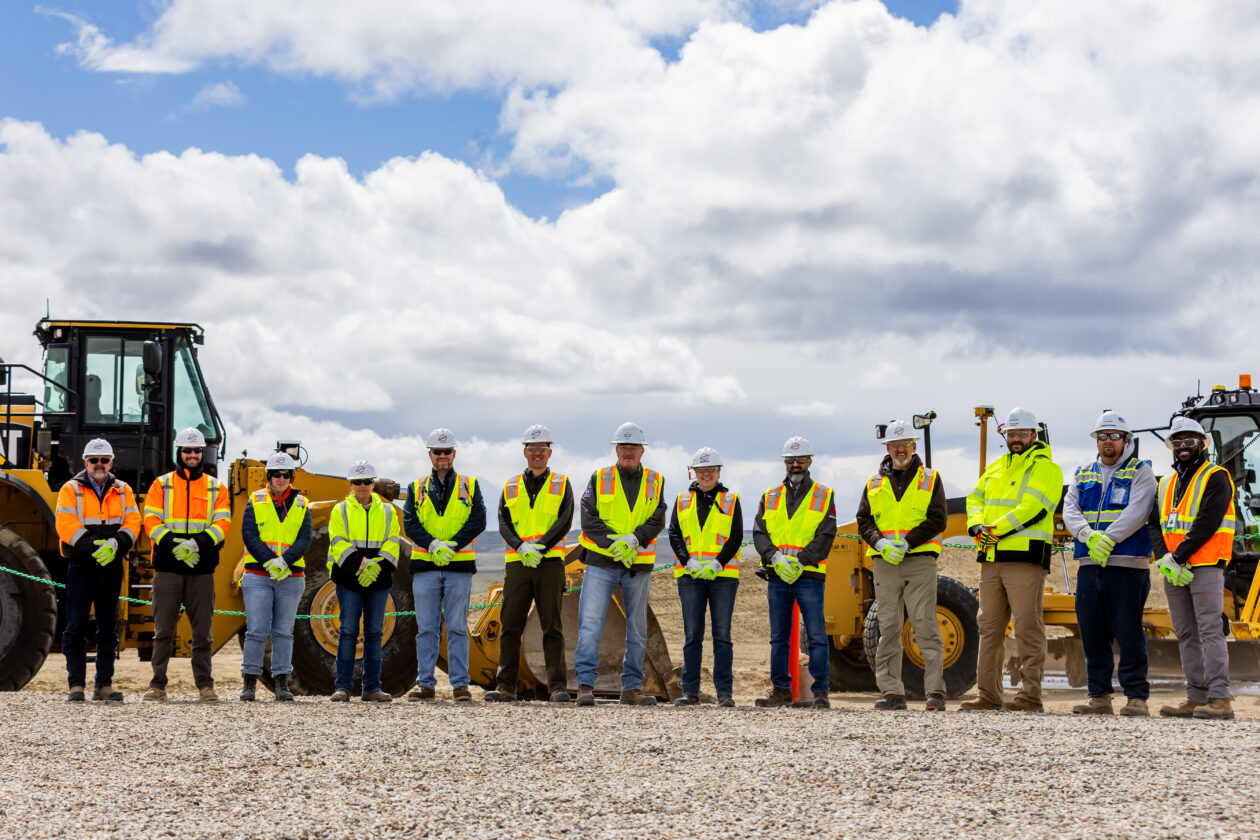
Imagine waking up on a crisp April morning in 2026, and the headlines scream not about another political scandal or economic downturn, but about a quiet revolution unfolding in a sleepy corner of Wyoming. That’s exactly what happened when TerraPower kicked off construction on their Natrium nuclear plant in Kemmerer. Picture a group of engineers and workers, clad in hard hats, high-fiving as the first shovels dug into the earth—it’s not just a new building project; it’s a bold step forward for America’s energy future. Founded 20 years ago in Bellevue, Washington, by the innovative Chris Levesque, TerraPower has been dreaming of this moment for what feels like forever. With the Nuclear Regulatory Commission’s unanimous nod to proceed with the nuclear bits, this isn’t merely breaking ground; it’s sculpting the blueprint for how we’ll power our homes, cars, and especially those data-hogging gadgets that run our modern lives. “This is the moment our industry has been working toward for a generation,” Levesque proclaimed, his voice echoing the collective cheer of an entire sector that’s been stagnating. For once, instead of doomsday predictions, we’re talking about a sunrise—clean, reliable energy that could light up communities without darkening the sky.
Diving into the nitty-gritty, the Natrium plant is no ordinary power station; it’s a marvel of modern engineering designed to handle our unpredictable energy needs. At its heart is a 345-megawatt sodium-cooled fast reactor, sleek and efficient, paired with what they call a “thermal salt battery.” Think of it as a giant thermos holding excess heat in molten salt, ready to unleash a burst of power when we need it most. In a pinch, this setup can ramp up to 500 megawatts for over five hours—enough to keep the lights on in Seattle during those wild, freezing winter storms that suck up around 2,000 megawatts. It’s like having a superhero sidekick for your grid, dodging blackouts and smoothing out the ebbs and flows of demand. TerraPower isn’t just building this for show; they aim for the reactor to start splitting atoms by the end of 2030, bringing jobs to the table too. Envision 1,600 workers bustling about during construction, shaping the landscape, and then 250 full-time folks keeping the machinery purring once it’s up and running. It’s not just about the plant—it’s about the people who’ll call this place home, families reimagining Wyoming’s wide-open spaces as a hub for cutting-edge tech. As Gov. Mark Gordon put it, “The start of construction on TerraPower’s Natrium plant in Kemmerer marks a major milestone not just for Wyoming, but for the future of American energy.” For residents who’ve watched oil rigs and ranches dominate for decades, this feels like destiny knocking.
Now, let’s talk money, because even dreams need dollars. Back in 2021, experts pegged the cost of this Wyoming gem at about $4 billion—a hefty sum, but TerraPower has been savvy. Private investors, including big names like Bill Gates, rolled up their sleeves, and a cool $2 billion federal grant cushioned the blow. Levesque’s been upfront: “We’re building that project without burdening the ratepayers.” No extra fees on your electric bill for this gamble on the future. It’s a refreshing twist in infrastructure tales, where taxpayers aren’t always the sucker at the table. Picture the relief on a family’s face when they flip on the switch, knowing their kid’s school or grandma’s oxygen machine runs on clean power without hidden costs. This funding model isn’t unique to Wyoming; it’s setting a precedent. Allocating resources wisely keeps the project on track, turning potential skeptics into supporters who see innovation as an investment in stability. In an era of skyrocketing energy prices, TerraPower’s approach feels human—empowering everyday folks without weighing them down.
Zoom out a bit, and you’ll see this Kemmerer moment isn’t isolated; it’s part of a broader nuclear renaissance that’s been simmering for years. After decades of stagnation, where atomic power was sidelined by fears of meltdowns and mountains of red tape, the industry is surging back with a vengeance. Tech giants, desperate to fuel massive data centers gulping electricity, are leading the charge, alongside homes and factories grappling with escalating demands. Traditional nuclear plants, like the massive Plant Vogtle in Georgia that dragged on for over a decade, look clunky compared to what’s brewing. TerraPower plans to build hundreds of these Natrium reactors, smaller and snappier, using prefabricated parts that slash construction time to a mere three years. It’s like upgrading from an old jalopy to a Tesla—faster, cleaner, and way more efficient. For folks who’ve long lamented our reliance on fossil fuels choking the planet, this feels like a victory lap. Communities near data centers, once wary of flickering screens, now anticipate a steady hum from these plants, powering AI advancements and streaming services without the guilt-trip carbon footprint.
Peeking ahead, TerraPower’s ambitions stretch far beyond one Wyoming site. They’ve already inked a deal with Meta to erect up to eight Natrium reactors across the U.S., with the first two slated for 2032 and the full set humming by 2035. Picture these reactors not as isolated behemoths, but as a network of reliable powerhouses feeding AI dreams and smart homes. Plus, memorandums of understanding with governments in Utah and Kansas open doors for exploring new sites—echoing the excitement of pioneers charting unclaimed territory. It’s a far cry from the hesitant days of yesteryear; now, customers are lining up, seeing TerraPower as a trusted partner in energy security. Levesque and his team aren’t just flipping switches; they’re crafting partnerships that make sustainable power feel attainable, like a group project where everyone wins.
In the end, this Kemmerer kickoff is more than steel and salt; it’s a testament to human ingenuity flipping old narratives. As Wyoming embraces this energy evolution, and as tech titans sign on the dotted line, we’re reminded that progress blooms from collaboration—from the CEO’s bold vision to the governor’s grateful words. No more reading about nuclear nightmares in history books; instead, we’re living through a story of rebirth, one watt at a time. For anyone who’s ever stressed over a blackout or wondered about our energy future, TerraPower’s dance with the atoms offers hope—a promise that bright, relentless innovation can power our world without breaking it. As we stand on this precipice of 2030, with reactors poised to ignite, it’s clear: the age of advanced nuclear isn’t just arriving; it’s here, warm and welcoming, ready to light the way.