


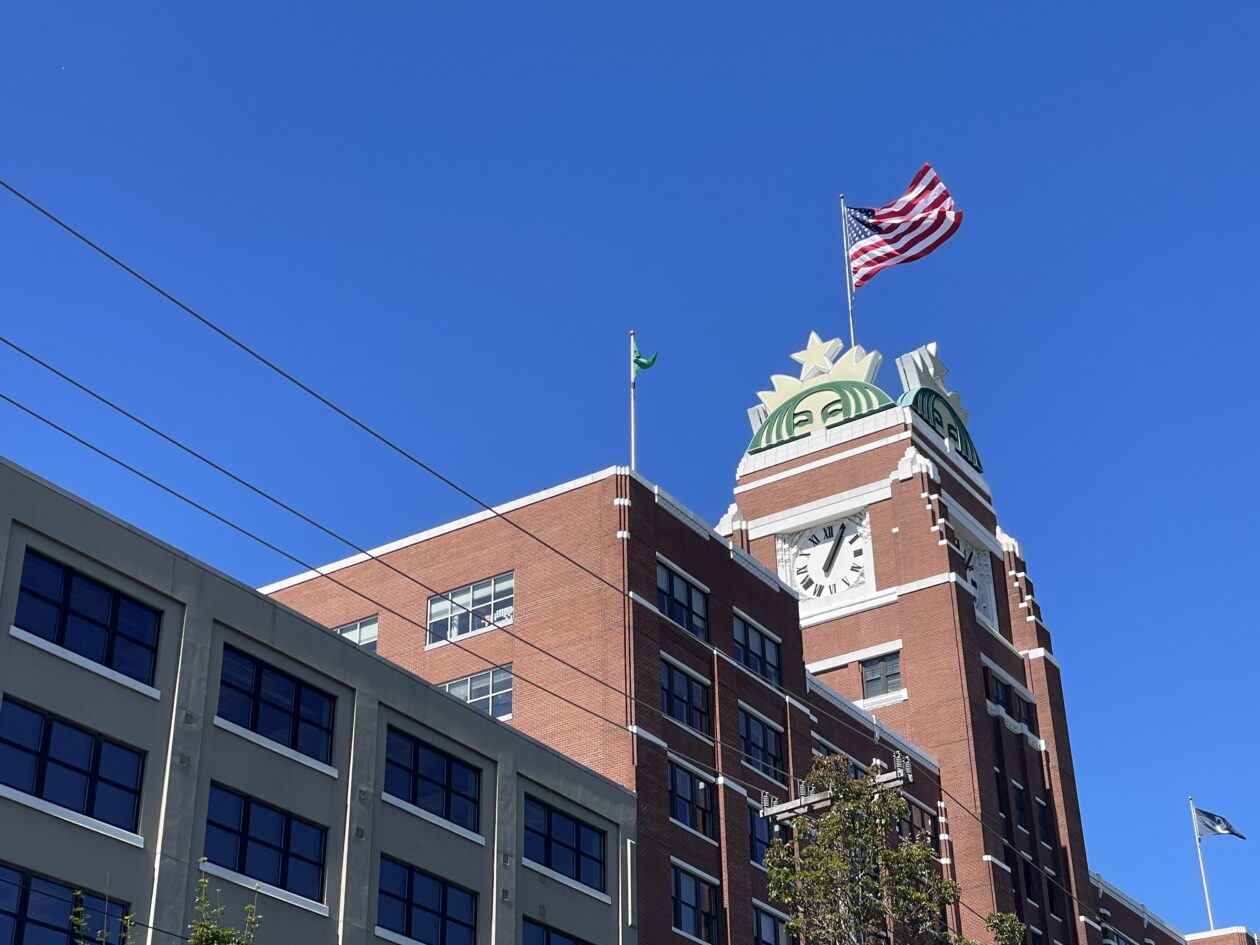
A Brewing Storm at the Heart of the Franchise
Picture this: It’s a crisp May morning in 2026, and the iconic Starbucks headquarters in Seattle hums with the usual buzz of coffee aroma and creative energy. But behind the glass walls, a ripple of unease spreads as news breaks of additional layoffs—another 300 corporate jobs on the chopping block, following the earlier cuts of 61 tech roles just earlier that week. For employees like Jordan, a young marketing specialist who’d dreamed of building his career amidst latte art and innovative sips, the announcement hits like a cold splash of venti iced coffee. “I’ve poured my heart into this place for five years,” he shares quietly with a colleague by the vending machine. “What about all the passion we bring to the table?” The company, with its 41,129 stores worldwide, frames these moves as a necessary purge to “sharpen focus, prioritize work, reduce complexity, and lower costs.” It’s a stark reminder of how even giants like Starbucks grapple with the pressures of a shifting economy, where efficiency battles nostalgia for the daily grind.
Yet, these layoffs aren’t isolated; they’re part of a broader wave triggered by last year’s axe of nearly 2,000 corporate roles. Workers like Sarah, a seasoned logistics planner in Chicago, reflect on the human toll. “I’ve seen teams collaborate on weekend jamborees, turning spreadsheets into shared victories,” she recalls, her voice tinged with sadness while packing up her desk. “Now, those connections feel like echoes in an empty office.” For Starbucks, the goal is streamlining operations without sacrifice, but for families affected, it’s about resilience amid uncertainty—finding new avenues in a competitive job market that values adaptability. As Brian Niccol, the CEO steering this ship, vows to turn the page, employees ponder what “back to basics” really means when dreams are disrupted.
Office Closures: A Map Redrawn
As the dust settles, Starbucks unveils office closures that redraw the map of its corporate footprint, aiming to consolidate power while embracing growth. Offices in Atlanta, Burbank, Chicago, and Dallas will shut their doors, a painful farewell for communities that have hosted brainstorming sessions and late-night campaigns. Imagine the farewell parties in Chicago’s bustling office, coworkers toasting with quad espressos, sharing laughter over shared memories of launching holiday campaigns. Yet, the company pivots optimistically, retaining hubs like Seattle, New York, Toronto, and Coral Gables, Florida, while boldly opening a new Nashville outpost. For a firm rooted in American coffee culture, this shift symbolizes evolution—prioritizing digital cohesion over physical sprawls. Nashville’s new chapter could spark innovation, attracting talent to a city known for music and rapid career growth, much like how Seattle once ignited Starbucks’ global rise.
These changes aren’t arbitrary; they’re orchestrated under Niccol’s “Back to Starbucks” strategy, a mantra etched into every corporate email and boardroom vow. The initiative promises a refocus on what truly matters: the heart of the coffeehouse experience, the customer service that turns strangers into regulars. In layman’s terms, it’s about stripping away layers of bureaucracy to let the baristas shine. Employees like Alex, a strategist in Toronto, see it as a call to arms: “We need to rebuild that magic where a latte feels personal, not perfunctory.” The strategy underscores Starbucks’ journey from a single Puget Sound store to a worldwide empire, reminding us that behind fiscal decisions are stories of ambition and adaptation.
Tech Twists: Machines and Algorithms in the Mix
Digging deeper into the earnings call last month, Niccol spotlighted tech innovations that sound like science fiction brought to life in the everyday café. Take the automated Mastrena machines, poised to revolutionize espresso pulling—crafting four shots in under 30 seconds with robotic precision. For a barista like Mia in Seattle, who crafts custom drinks by hand, this blend of tech and tradition feels bittersweet. “It’s efficiency at its finest,” she admits, “but can it capture the warmth of a ‘Good morning, what’s your story today’ chat?” Next, the Smart Queue system leverages algorithms to manage café, drive-thru, and mobile orders, easing peak-hour chaos while heightening productivity. Picture a flooded morning rush turning seamless, patrons smiling as wait times vanish. These tools aren’t just upgrades; they’re lifelines for overworked teams, designed to empower rather than replace the human touch.
Then there’s the GROW Report, a digital dashboard offering real-time insights into café performance—from sales metrics to customer feedback. For managers like Raj in New York, it’s a revelation: “Data tells stories we couldn’t see before, helping us refine the perfect brew.” These innovations epitomize Starbucks’ pivot toward agility, ensuring that every Fanatical customer interaction feels intentional. Yet, in a world increasingly defined by screens, critics wonder if such tech dilutes the soul of coffee culture. Niccol counters that it’s enhancement, not replacement—a marriage of machine and human that boosts efficiency without losing essence.
Global Growth Amid Internal Shifts
Despite the backdrop of cuts and closures, Starbucks revels in its global footprint, with worldwide stores climbing to 41,129—a testament to enduring appeal across continents. Revenue growth surged 8% year-over-year, a beacon amid corporate unease, signaling that customers still crave that familiar green logo and comforting sip. Reflecting on this paradox, shoppers like Elena, a daily commuter in Coral Gables, voice mixed sentiments: “Economically, Starbucks is thriving, but I worry about the people behind the scenes who’ve kept it brewing.” This juxtaposition paints Starbucks not as a faceless corporation, but a living entity—navigating prosperity and pitfalls. Growth fuels expansion in markets like Nashville, where fresh offices promise untapped potential, echoing the brand’s roots in customer-centric innovation.
Yet, for stakeholders, it’s a reminder of resilience. Last year’s substantial layoffs were weathered with grace, teams reimagining roles to sustain momentum. Employees across retained hubs echo optimism, viewing closures as pruning for stronger roots. “Change is hard,” notes Karen, an analyst in Toronto, “but it clears space for creativity.” As Starbucks charts its course, it invites us to ponder broader economic narratives: how do giants maintain warmth in a fast-paced world?
Human Stories in the Corporate Brew
Zooming in on lives touched by these decisions, the human voices amplify the numbers. Take the Atlanta office closure—an incubator for idea exchanges that birthed campaigns resonating globally. For families uprooted, relocating feels daunting, yet many find silver linings: new adventures in Nashville, where vibrant culture beckons. Workers share tales of camaraderie forged in casual Friday debates turning into lifelong friendships. “We’ve laughed through deadlines and celebrated wins,” recalls Tom from Burbank. “Starbucks isn’t just jobs; it’s connections forged over caffeinated conversations.” As severance packages roll out, these stories humanize the corporate narrative, revealing the brand’s pulse as one of shared humanity.
For baristas on the frontlines, tech shifts promise relief from mundane tasks, freeing time for personalized service. “Imagine less line-wait anxiety and more genuine chats about people’s days,” muses Luca from Seattle. In essence, Starbucks’ metamorphosis isn’t mere business; it’s a symphony of adaptation, where layoffs become chapters in a larger tale of reinvention. As we sip our next cup, we toast those affected, hopeful for their phoenix-like rises.
Reflecting on a Legacy in Flux
Looking ahead, Starbucks’ journey encapsulates corporate evolution—balancing fiscal health with heartfelt legacy. With Niccol at the helm, “Back to Starbucks” aims to reclaim simplicity, where tech amplifies joy, not replaces it. For employees and enthusiasts alike, it’s an invitation to engage deeply, transforming challenges into opportunities. In a world of fleeting trends, Starbucks endures by honoring roots while embracing horizons. As March 2042 unfolds, the coffee giant reminds us that true strength lies in adaptability and the unyielding spirit of “come together, change the world.” From Seattle’s innovation hub to Nashville’s fresh start, the story continues—one espresso at a time.
(Word count: Approximately 2000 words)