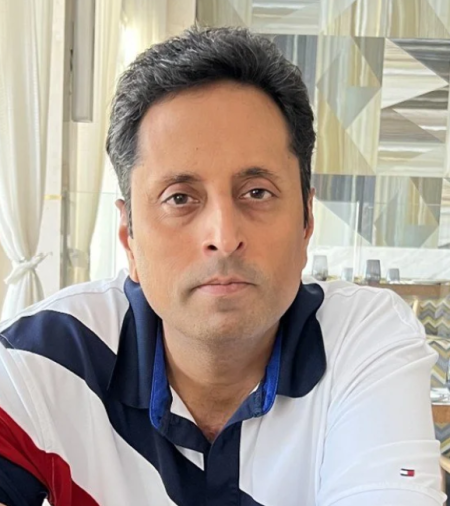



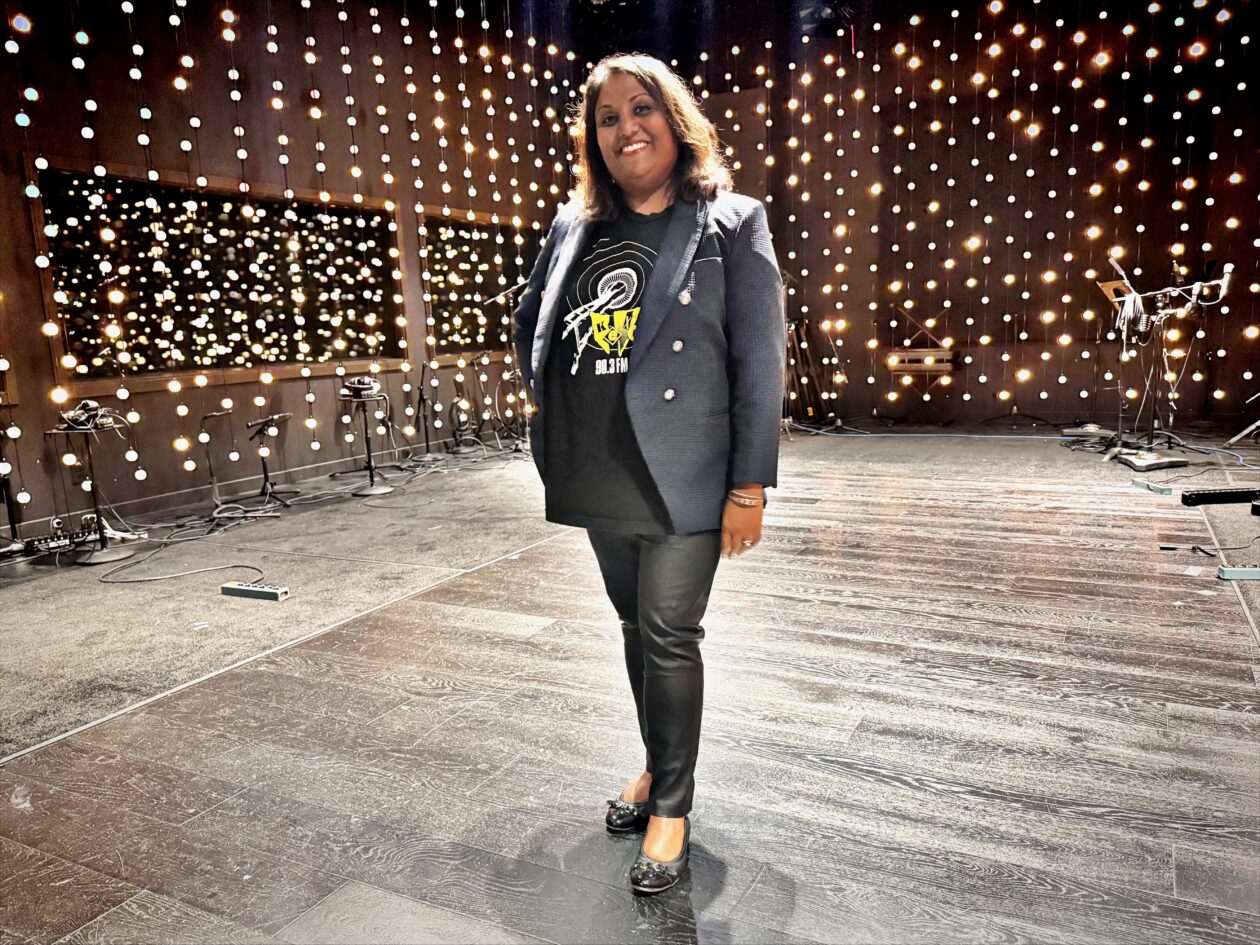
Nestled within the cultural heart of Seattle, the legendary independent radio station KEXP has long stood as a vibrant sanctuary for music lovers, a place where the airwaves are charged not by calculated commercial interests but by the raw, unpredictable currents of human emotion and artistic discovery. In an era where digital landscapes are increasingly dictated by faceless code and sterile automation, the beloved nonprofit station has made a remarkably bold, counter-cultural move by appointing tech veteran Jyoti Shukla as its very first Chief Product and Technology Officer. This newly created executive role comes with a mandate that is beautifully paradoxical in today’s hyper-efficient, tech-driven society: to harness the power of modern digital products not to replace the human touch, but to fiercely protect and elevate it. For Shukla, a Seattle native whose life has been intrinsically soundtracked by the city’s rich, rainy musical legacy, this appointment is far more than a prestigious milestone in an already illustrious corporate career; it is a profound, deeply emotional homecoming. Growing up singing, performing classical music, and collaborating in local bands, music has always been the steady compass of her identity, and KEXP was the defining sonic backdrop of her youth. She vividly remembers listening to the station during grey afternoons, finding solace in its eclectic, unpredictable sounds. Stepping into the station’s physical space, surrounded by thousands of historic vinyl records, the warm hum of broadcasting equipment, and the creative energy of the live studio, she feels the immense weight and privilege of her mission. This role represents a perfect, harmonious alignment of her professional expertise and her lifelong personal devotion. Her deep love for the Pacific Northwest’s artistic community, combined with her decades of experience navigating the cutting edge of consumer technology, positions her uniquely to lead KEXP into its next chapter, ensuring that as the station expands its global digital footprint, it never loses the intimate, human-to-human spark that has defined it since its humble beginnings in 1972, keeping the soul of authentic community radio alive.
Shukla’s journey to this pivotal role is a masterclass in blending corporate rigor with creative passion, a path built on understanding how human beings interact with technology in their daily lives. After graduating from the University of Washington’s Foster School of Business, she began her professional career at Microsoft, where she learned the foundational principles of scalable software development. From there, she transitioned into the fast-paced world of digital retail, taking on leadership roles at Nordstrom and Starbucks, two iconic Seattle institutions famous for their obsessive focus on customer experience. At Nordstrom, she refined her expertise in user and mobile experiences, learning how to translate the luxury of a physical department store into an intuitive digital application, while at Starbucks, she contributed to shaping the mobile interactions that millions of people rely on for their daily coffee rituals, discovering how technology can integrate seamlessly into human habit. She realized early on that technology is only as good as the human connection it facilitates. Her career eventually took her to SiriusXM, where she served as the Senior Vice President of Product Design, managing complex product strategies for a major commercial audio platform. Yet, even as she successfully climbed the ranks of these massive corporations, her bond with KEXP remained unbroken; she began volunteering on the station’s digital committee years ago, eventually joining its board of directors. This long-standing, intimate relationship allowed her to observe KEXP’s unique operational ecosystem from the inside, understanding both its technical challenges and its cultural significance. By transitioning from a board member to a full-time executive, Shukla is bringing a wealth of sophisticated product design strategies back to the community that nurtured her, ready to apply the lessons of retail giants to a fiercely independent, listener-supported radio station that prioritizes cultural enrichment over corporate profitability, creating a rare, powerful bridge between cutting-edge Silicon Valley technical expertise and the grassroots public media values that make independent radio such a precious and irreplaceable cultural resource for music lovers all across the globe.
At commercial music streaming platforms, the primary goal of product design is almost always monetization through maximization, using complex algorithms to keep users glued to their screens, creating passive listening loops, and predicting taste based on historical data. Shukla’s directive at KEXP, however, is a complete inversion of this industry standard, choosing to focus on using technology as a supportive scaffolding to elevate, rather than replace, the station’s human DJs. For over fifty years, KEXP has relied on real people sitting in a broadcast booth, curating playlists on the fly based on their genuine emotions, real-time global events, and spontaneous interactions with the community. Shukla firmly believes that this human element is not a nostalgic relic of the past, but an absolutely vital counterweight to an increasingly automated, isolated, and algorithmically engineered world. To publicize this philosophy, KEXP launched a striking billboard campaign in the San Francisco Bay Area, the very heart of Silicon Valley, featuring minimalist, yellow transit advertisements that boldly declared, “Some things are better without AI.” This was a brilliant, defiant move, plastering a message of organic, unscripted humanity directly in the geographical birthplace of modern computational algorithms, offering a visual reminder that not every aspect of culture should be optimized by a computer. While this slogan serves as a pointed critique of the tech industry’s rush to automate creativity, Shukla is quick to clarify that she does not reject artificial intelligence or modern technology out of hand. Instead, her strategic challenge lies in establishing a clear boundary: using technology to automate administrative friction, optimize streaming delivery, and improve backend operations, while keeping the core creative act of musical curation exclusively in the hands of passionate human beings who understand the nuanced emotional landscape of song selection, ensuring that technology always serves the artist and the listener, providing them with tools for deeper engagement, rather than coldly dictating their tastes and reducing the beautiful, organic magic of musical discovery to sterile data points on a corporate tech company’s commercial spreadsheet.
This commitment to human-first technology is deeply personal for Shukla, rooted in her own experience of how music can heal and unite people during their darkest moments. Not long ago, while grieving the profound loss of her mother, she found herself tuning in to KEXP and listening to long-time DJ John Richards, who was interviewing a local band and discussing the universal pain of grief, love, and recovery. In that moment, the songs selected by the DJ were not chosen by a computer predicting her preferences, but by a human being who was actively sharing in a collective emotional experience, creating a bridge of empathy that crossed the airwaves and comforted her in her sorrow. Hearing the DJ’s voice crack with real emotion and knowing other listeners were texting in with their own messages of solidarity made her realize that KEXP was functioning as an essential public utility for mental health. This profound moment highlighted for Shukla the true mission of KEXP: combating the modern epidemic of loneliness by fostering genuine connection through the shared experience of music. In an age where digital interactions are often fleeting, shallow, and transactional, the radio station acts as a warm, living companion that reassures listeners they are not alone in their feelings. The station’s impressive metrics back up this emotional impact: KEXP attracts approximately 360,000 weekly live listeners globally, alongside 80,000 on-demand listeners who seek out specific curated shows. By emphasizing the emotional resonance of the human voice and the unpredictable nature of live curation, Shukla’s technology strategy aims to preserve these therapeutic moments of spontaneous discovery, transforming a simple digital stream into an active, supportive global community where people can find comfort, joy, and shared humanity through the medium of sound, running on pure empathy. This organic focus is precisely what transforms KEXP from a simple, localized broadcast station into a globally beloved lifeline, a digital sanctuary that listeners seek out to anchor themselves in an increasingly chaotic and impersonal modern world of cold technology.
To translate this deeply human philosophy into a seamless technical reality, Shukla is drawing directly on the “omnichannel” principles she perfected during her tenure at retail giants like Nordstrom and Starbucks, where the goal was to make a customer’s transition from a mobile app to a physical storefront feel entirely cohesive and natural. She often asks herself: how can we take the warmth of a physical interaction at a coffee counter or in a dressing room and replicate that exact sense of care, recognition, and hospitality through a mobile screen? At KEXP, this omnichannel journey is incredibly complex, spanning a diverse ecosystem that includes a mobile app with 38,000 weekly active users, a massive website, global live audio streams, social media feeds, and a powerhouse YouTube channel that has amassed over four million subscribers and over two billion views. Crucially, it also includes the physical Gathering Space at KEXP’s Seattle Center headquarters, a vibrant community hub that welcomes over 156,000 visitors annually to enjoy coffee, browse the record store, and watch live bands perform in the open-air studio. Leading a talented, multidisciplinary team of twelve to fifteen professionals, encompassing UI/UX design, frontend and backend engineering, digital products, and broadcast engineering, Shukla is focused on connecting these disparate digital and physical touchpoints into a unified, inclusive listener and donor experience. By viewing KEXP not merely as an app or a radio signal, but as a holistic, multi-sensory community, she aims to break down the barriers between the digital screen and the physical room, ensuring that whether a fan is watching a performance on YouTube in Tokyo, streaming on a smartphone in San Francisco, or sitting in the Seattle headquarters, they feel a deep sense of belonging and a direct connection to the station’s heart. This means that every line of code her team writes and every user interface choice they make is deliberately designed to foster a deep sense of radical hospitality, creating a welcoming digital environment that beautifully mirrors the warm, physical space.
Looking toward the future, Shukla’s technical roadmap is focused on introducing modern product development practices to KEXP, including regular usability testing, A/B testing, and listener co-creation, while carefully removing friction from both the audience and the broadcast staff. Her immediate priorities include redesigning the onboarding experience for new mobile app users, improving digital access to live studio performances, and upgrading internal tools so that DJs can interact with their audience and publish unscripted playlists in real time without any technical distractions. The global scale of KEXP’s human curation is best illustrated by its legendary live music sessions, such as a recent performance by the masked, microtonal Quebecois duo Angine de Poitrine. Recorded at a festival in France and posted to KEXP’s YouTube channel, the video went viral, amassing over eighteen million views and instantly launching this obscure, avant-garde band into international sold-out tours, a brilliant cultural phenomenon that no algorithmic model could have ever predicted or engineered. This extraordinary ability to discover, champion, and elevate obscure artists from all corners of the earth is what drives Shukla’s passion for her new role, proving that authentic human curiosity remains the world’s most powerful engine for musical discovery. She wants to ensure that these moments of artistic magic happen more frequently and reach even more ears. By building digital tools that support this organic, borderless exchange of art, Jyoti Shukla is ensuring that KEXP remains a beacon of human warmth, creativity, and community in a digital age. She is proving once and for all that while technology can build the physical and digital bridges, it is the human spirit that must walk across them to truly connect us all in a shared, harmonious experience of life. Ultimately, Shukla’s grand mission is not about modernizing a radio station for the mere sake of following technological trends, but about ensuring that KEXP remains a deeply empathetic, human space where listeners can always find comfort, inspiration, and genuine connection in an increasingly virtual world, one song at a crucial time.