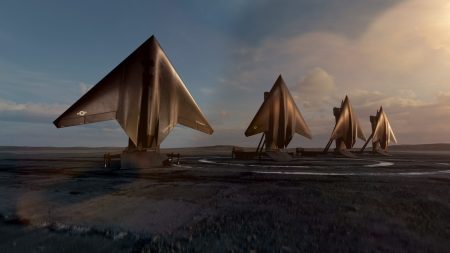





Here, in a rain-soaked corner of Des Moines, Washington, just a short drive from the constant hum of Sea-Tac Airport, a new kind of factory is rising. It’s not making airplane parts for the giants of old, nor is it assembling the kind of commercial jets that have defined the Pacific Northwest for generations. Instead, this is the birthplace of something more ambitious: the X-BAT, an autonomous, AI-piloted fighter jet that could change how the world thinks about airpower. Shield AI, a San Diego-based defense technology company valued at $12.7 billion, is putting the finishing touches on a 420,000-square-foot facility called X-Forge 3, with the roof going on even as workers hustle to meet a spring opening. The company chose this location deliberately, planting its flag in Boeing’s backyard, in a region that has both the aerospace muscle and the software brainpower to build a sixth-generation fighter. By the early 2030s, Shield AI expects to employ 4,000 people here, and the ripple effects could spread far beyond the factory floor. For a community like Des Moines, which sits at the heart of Puget Sound’s aerospace industry, this is more than an economic development win; it is a promise that the next century of flight will be built by the same skilled hands and sharp minds that made the last one possible.
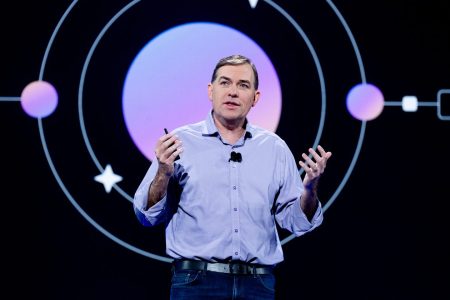
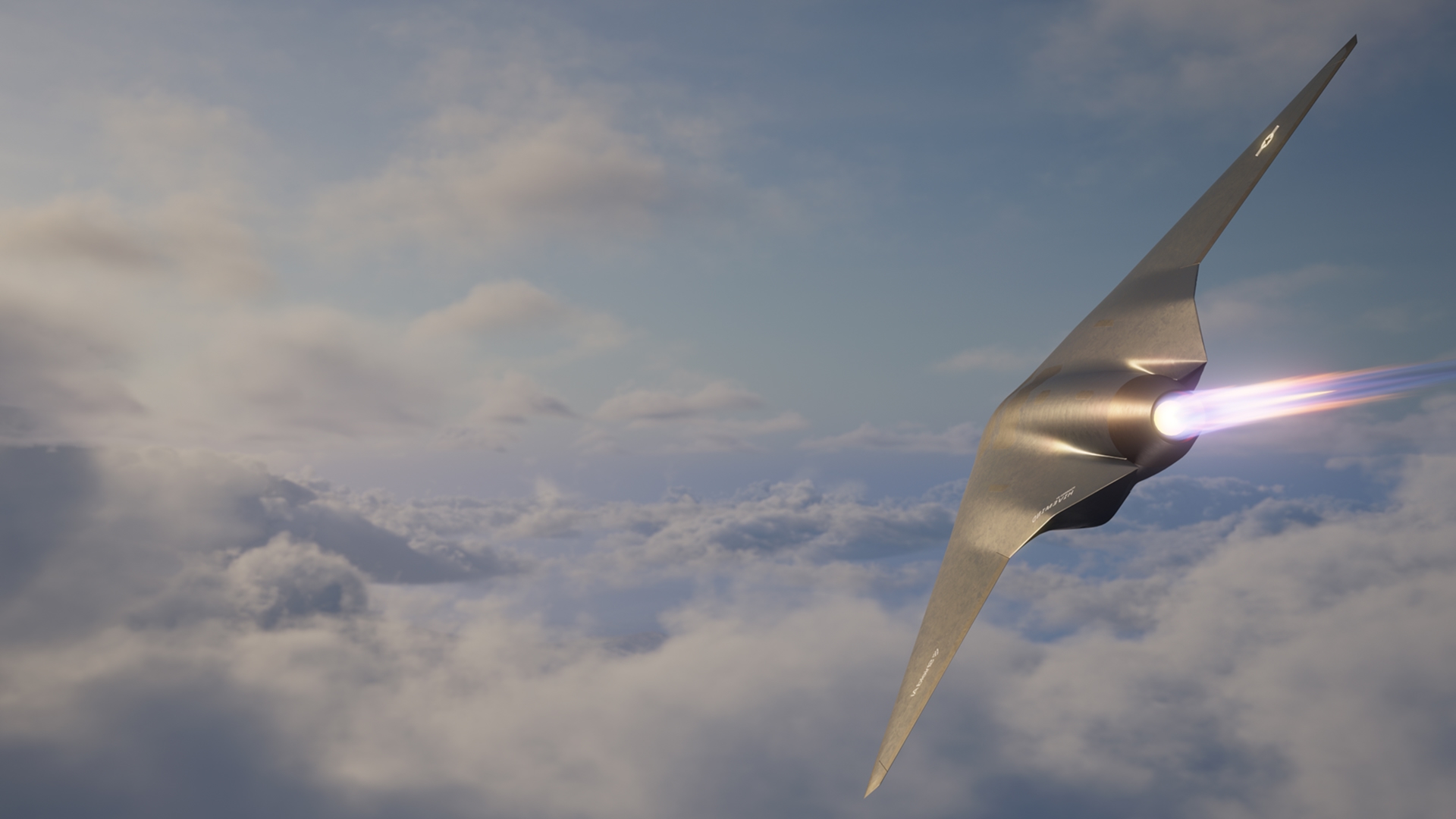
The X-BAT itself is a striking piece of engineering, a 26-foot-long aircraft that looks less like a traditional jet and more like a sleek, intelligent weapon system with wings. It is designed to take off and land vertically, using a specialized Launch and Recovery Vehicle—essentially a mobile trailer that erects the jet into the air, allowing it to launch from a highway, a dirt field, or the deck of a ship without needing a runway. It carries up to 2,000-pound-class weapons in internal bays and boasts a combat radius of 1,000 nautical miles, a range that surpasses even the estimated 590 nautical mile radius of the Lockheed Martin F-35A. But the real magic is not in the airframe; it is in the software. Shield AI describes the X-BAT as a “flying sensor suite,” an aircraft that ingests vast amounts of information in real time and makes lightning-fast decisions without a human pilot in the cockpit. This is not a remote-controlled drone in the traditional sense; it is an autonomous system designed to operate in contested environments, to fly into danger, and to give commanders a new kind of flexible, survivable strike power. Brandon Tseng, Shield AI’s co-founder and a former Navy SEAL, has called the aircraft “transformative” and “runway-independent,” noting that “airpower without runways is the holy grail of deterrence.” The message is clear: if you can’t destroy the runways, you can’t stop the jets.
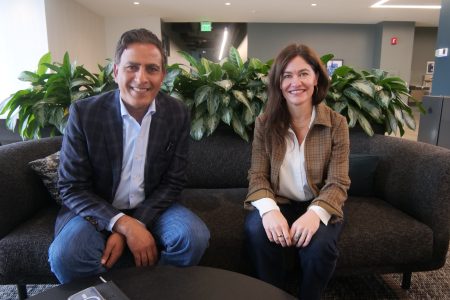
Choosing Washington state was not an accident. Shield AI evaluated more than a dozen sites before settling on the Seattle area, and the deciding factor was talent. Armor Harris, the company’s senior vice president of aircraft, points to the region’s deep aerospace legacy, its tech giants like Amazon and Microsoft, and a booming space and satellite industry that has emerged in recent years. The workforce here already understands the language of advanced manufacturing, composite materials, avionics, and software integration, which means Shield AI doesn’t have to train people from scratch on the timelines it needs. That’s a huge advantage when you’re trying to ramp up production from zero to 150 aircraft a year by the early 2030s. The company is hiring aggressively, with more than 110 open roles in the Seattle area, ranging from autonomy developers and flight-control software engineers to composite technicians and assembly specialists. The pay is serious—engineering roles are listed between $169,000 and $300,000 annually—and the work is deeply meaningful for people who want to build something historic. Harris, who is relocating from Dallas, says the colocation of engineering and production is one of the company’s “secret sauces.” In an industry that often ships assembly work to lower-cost regions, Shield AI believes that keeping the designers and the builders in the same building is the fastest way to solve problems and deliver capability. That philosophy is a breath of fresh air in a region that has watched some manufacturing jobs migrate away over the decades.
The facility in Des Moines, known as X-Forge 3, is just one piece of a broader national footprint. The company also operates X-Forge 1 in Frisco, Texas, where it handles prototyping, software integration, and early engineering work, and X-Forge 2 in Newton, Kansas, which serves as the program’s dedicated flight test, customer acceptance, and maintenance hub. The Kansas site is expected to support about 1,800 jobs by the early 2030s, growing to 2,900 by 2046. But the heart of mass production will be in Washington, and the company is already looking for additional space—a potential 1 million more square feet in the region—to support long-term manufacturing expansion. One of the cleverest aspects of the plan is how the aircraft moves between these sites. The X-BAT is designed to be road transportable, so completed jets can be towed on interstate highways from the Puget Sound factory to Kansas for flight testing, avoiding the cost and complexity of shipping by air. The Launch and Recovery Vehicles themselves could also be built in Washington, given the region’s strong manufacturing base, though a final decision on that hasn’t been made. The first X-BAT is expected to roll off the line in Des Moines in 2028, and from there, production will scale rapidly toward full capacity. It’s an ambitious timeline, but Harris says the interest from both U.S. and international customers has been overwhelming, with the possibility of building jets at rates not seen for a long, long time.
That momentum is already turning into contracts. Last month, the U.S. Navy backed the program with an initial $50 million development contract, envisioning X-BATs operating directly from destroyers, amphibious assault ships, and converted cargo vessels. That would allow the Navy to project long-range airpower without relying on traditional aircraft carriers, a huge strategic advantage in the vast, contested waters of the Pacific. On the international front, Shield AI recently signed a five-year letter of intent with Polish defense companies PGZ and WZL-2 to explore building, supplying, and repairing the X-BAT in Poland. That partnership could give NATO allies a fighter jet capable of operating even if local airfields and runways are destroyed or non-existent, a critical capability in a region where the threat of missile strikes on airbases is ever-present. For a program that was only unveiled publicly in October 2025, the pace of adoption has been breathtaking. The X-BAT represents a shift from incremental upgrades to a fundamentally new way of thinking about military aviation: smaller, smarter, more distributed, and harder to defeat. It’s not just about replacing the F-35; it’s about reimagining what a fighter jet can be when it doesn’t need a human body in the cockpit and a paved runway to take off.
For Washington state, the arrival of Shield AI is being celebrated as a major validation of the region’s industrial relevance. The company’s economic analysis projects that the X-BAT program will inject roughly $73 billion into the state’s economy over the next two decades, generating up to 27,000 direct and indirect jobs by 2046. U.S. Rep. Adam Smith, whose district includes Des Moines, called the facility a win for the entire Puget Sound region, saying it will create high-quality jobs, strengthen the technology and aerospace sectors, and further diversify the local economy. Des Moines City Manager Katherine Caffrey echoed that sentiment, noting that the investment reflects exactly what the city wants to be: a place where families can build strong careers close to home. Gov. Bob Ferguson added that Washington is a place where “big ideas take flight,” welcoming the thousands of good-paying jobs the investment will bring. For Armor Harris, the project is also a personal and professional statement. He sees the expansion as a counter-narrative to the pessimism of recent years, a story about a rapidly growing company choosing to bet big on the Pacific Northwest. “There’s been a strong narrative of like, ‘Hey, all the jobs are migrating elsewhere,'” he said. “I think this is a big win for the region to capture a major program from a rapidly growing company like this.” As the roof goes on in Des Moines, the future of aerospace is being assembled alongside it—one bolt, one line of code, and one career at a time.