





The corporate landscape is often marked by sudden shifts and strategic realignments, but few events carry as much weight as the merging of two major players in the same industry. On a Tuesday morning in August, the long-anticipated union between Seattle-based Highspot and its San Diego-based rival, Seismic, was officially completed. This move brought an end to Highspot’s nearly fifteen-year run as an independent entity, folding one of the Pacific Northwest’s most significant enterprise technology companies into a much larger, privately held force. The deal, which had been in the works since February, instantly reshaped the market for sales enablement software, creating a combined entity with a formidable presence and a clear directive. The transition is more than just a change in ownership; it’s a merging of corporate cultures, product lines, and a talent pool spread across multiple continents. The most immediate and visible change was the quiet disappearance of the Highspot logo, replaced with a new branding that symbolizes its new reality—one where it is now a key component of a larger whole.
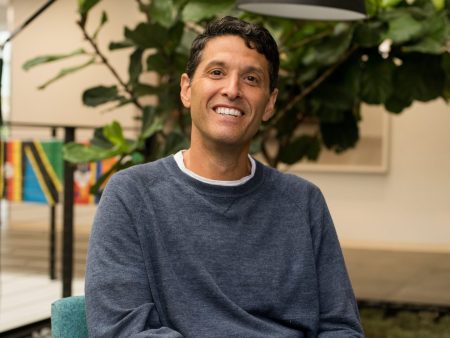
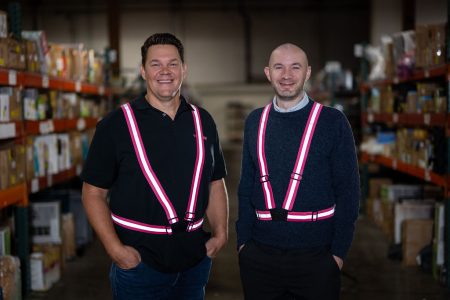
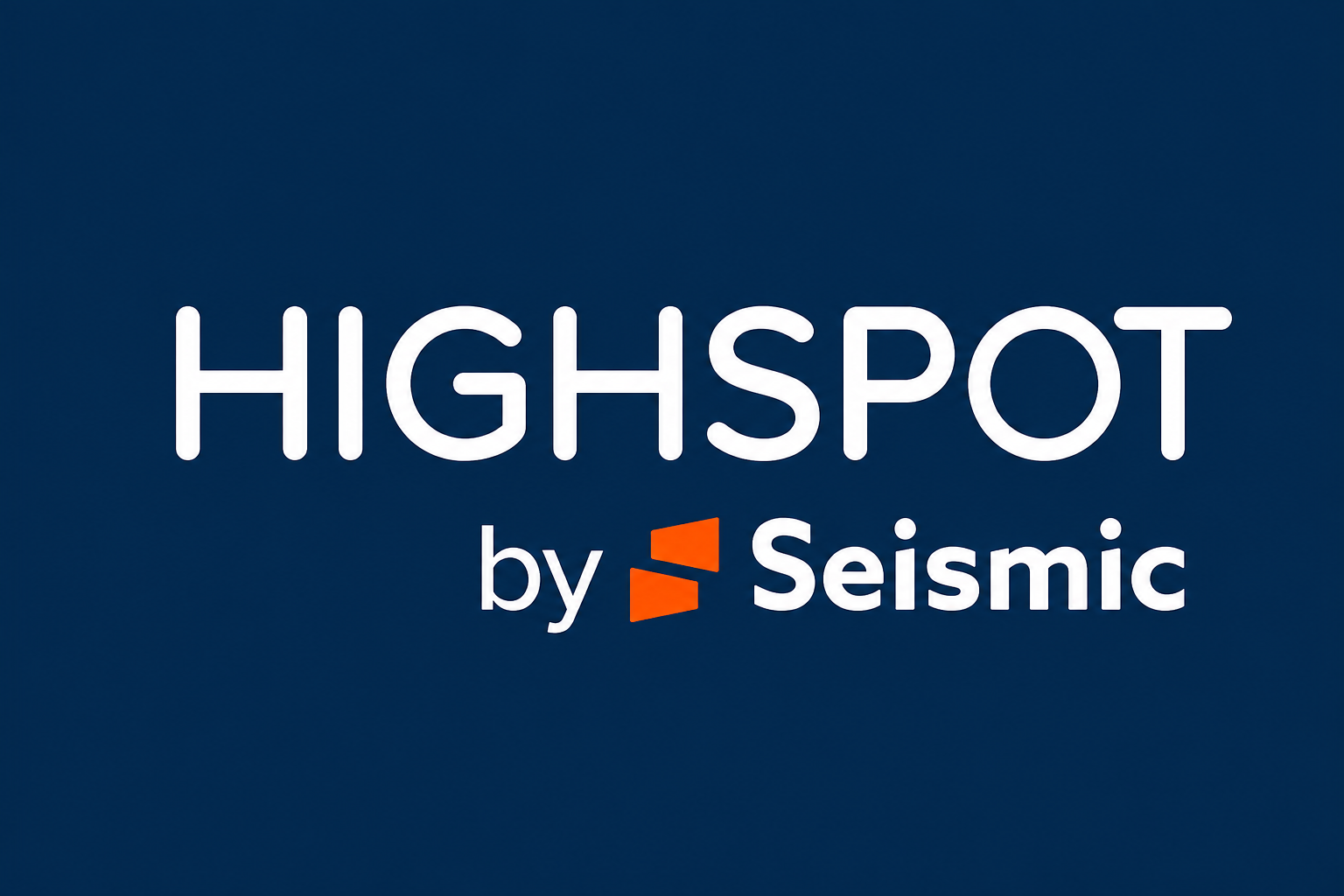
The new structure is now headed by Seismic’s CEO, Rob Boss, who brings with him years of experience in the digital space, having previously led various other software companies through periods of growth. Meanwhile, the founder of Highspot, Robert Wahbe, who had steered the company from its early days as a startup in 2011 to its status as a behemoth, is expected to transition to a seat on the combined company’s board of directors. This leadership arrangement suggests a respect for the legacy and the strategy that made Highspot successful. However, the ultimate control has shifted, with private equity firm Perm, which has backed Seismic since 2019, now holding the keys as the majority owner. Notably, the Highspot name will not completely vanish from the market. Instead, the signature product will be carefully positioned under a new blue and white banner, known by a dual-meot, “Highspot by Seismic,” signifying the strategic value of the brand that has been retained. The Seattle office, a major hub of talent and innovation, will not be closed; it will remain open as a key R&D location, but its role is being redefined.
The narrative of this merger is not just about two companies joining forces, but about concentrated talent, creation, and the future of software. The announcement from the new combined entity that it will maintain a vast R&D operations network that stretches from the Pacific Northwest to Vancouver, Toronto, London, and Hyderabad, instantly signals the enormous scale of this new venture. With over 700 product, engineering, data science, and artificial intelligence employees, the new company is positioning itself as a powerhouse in the development of enterprise-grade software. This ambitious outlook is further underscored by its stated plan to invest over $100 million a year back into research and development. Such a financial commitment points toward a clear intent to not just hold their ground but to push the boundaries of what’s possible in the world of sales and marketing technology, blending the strengths of Highspot’s focus on content management, sales coaching, and engagement platforms with Seismic’s robust portfolio.
Behind the high-level strategic announcements and the grand plan for the future lies the more nuanced, human story of the 1,000. detailed employees who have been working at Highspot. The company has gone through rounds of layoffs in 2023, a casualty of the same economic pressures that affected many other firms across the tech sector that year. The new, larger entity currently has a footprint of 2,500 customers and 3.5 million users. Founder Rob Wahbe’s background before Highspot included working with Microsoft, and his exit from the helm represents the end of an era for the company’s most prominent face. The announcement named Seattle as a R&D hub, but it did not provide specific reassurances about the stability of the rest of the workforce. While some level of redundancies is often expected in these large mergers, the silence on this front leaves a degree of uncertainty hanging over the heads of the employees who now find themselves in a larger, more complex corporate structure—one that was already dealing with the layoffs of just a few years.
Looking at the financial history behind the deal, this is not just a merger of two companies; it’s the convergence of significant investor expectations and billion-dollar valuations. Highspot had raised a massive $650 million since its launch in 2011, with its last publicly disclosed valuation being a staggering $3.5 billion from a $408 million round in 2022. A strong roster of investors (including B Capital Group, D1 Capital Partners, Madrona, ICONIQ Growth, Salesforce Ventures, Sapphire Ventures, and Tiger Global Management) has now ceded their creations to the control of private giant, Perm. The initial financial terms of the merger were never publicly disclosed, but the true value of Highspot is not just in its code but in its team, its technology, and its strong customer relationships. Seismic’s control now hinges on its ability to integrate two valuable but distinct business models into one cracking machine that can dominate the marketplace. It’s a bet high stakes that one of the region’s most successful startups is now reminded as a past investment rather than an ongoing case study in independent growth.
In the greater context of the Pacific Northwest tech ecosystem, the completion of this merger marks a monumental milestone. Highspot’s reputation had grown to the point where it was the crown jewel of sufficient lists; it, as the Top Spot on the GeekWire 200 list, representing the top private tech companies in the region, effectively passed the throne as soon as the deal was announced. In the March update to this list, its #1 spot was taken over by Helion Energy, a fusion company out of Everett, WA, reflecting how the landscape shifts when a tech giant fades into an external entity. For those who had followed Highspot’s journey from the ground up, seeing the final assimilation brings with it a mix of surprise, admiration, and a sense of reality. The story is more than just one company exiting a group; it’s about how the market and, particularly, the private equity market has been reshaping the structure of enterprise start-up. The legacy and the creation quarters of Highspot’s product line will now be known under the banner of a much larger entity, a combination whose mission is to grow even more dramatically than when it was independent. The combined company’s success will truly determine if the sum of parts is more substantial than these parts were on their own, with the new enterprise being a more robust force ready to challenge the dynamic landscape of enterprise software, conquering both old and new territories with a $100 million innovation war chest and an focused corporate stream. The old, independent spirit of the Seattle company may be gone, but it launched a new journey that is likely to shape the entire sector for years. The human dimension of this transition—the employees’ worries, hopes, and potential work with new co-workers—is a story of adaptation and reinvention into a new phase of their careers. With the movement of Robert Wahbe from the CEO suite to the boardroom, the company’s founding principle has been archived, but the operation will move forward, now under the CEO of B. Sharing and a moving range of high ambition that will test the old and new models in a market that is not often generous to big-ego competitions.