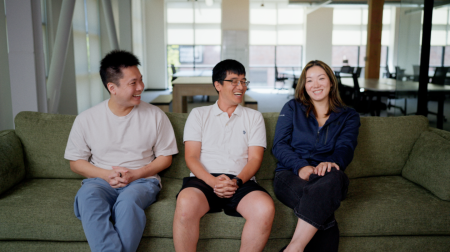



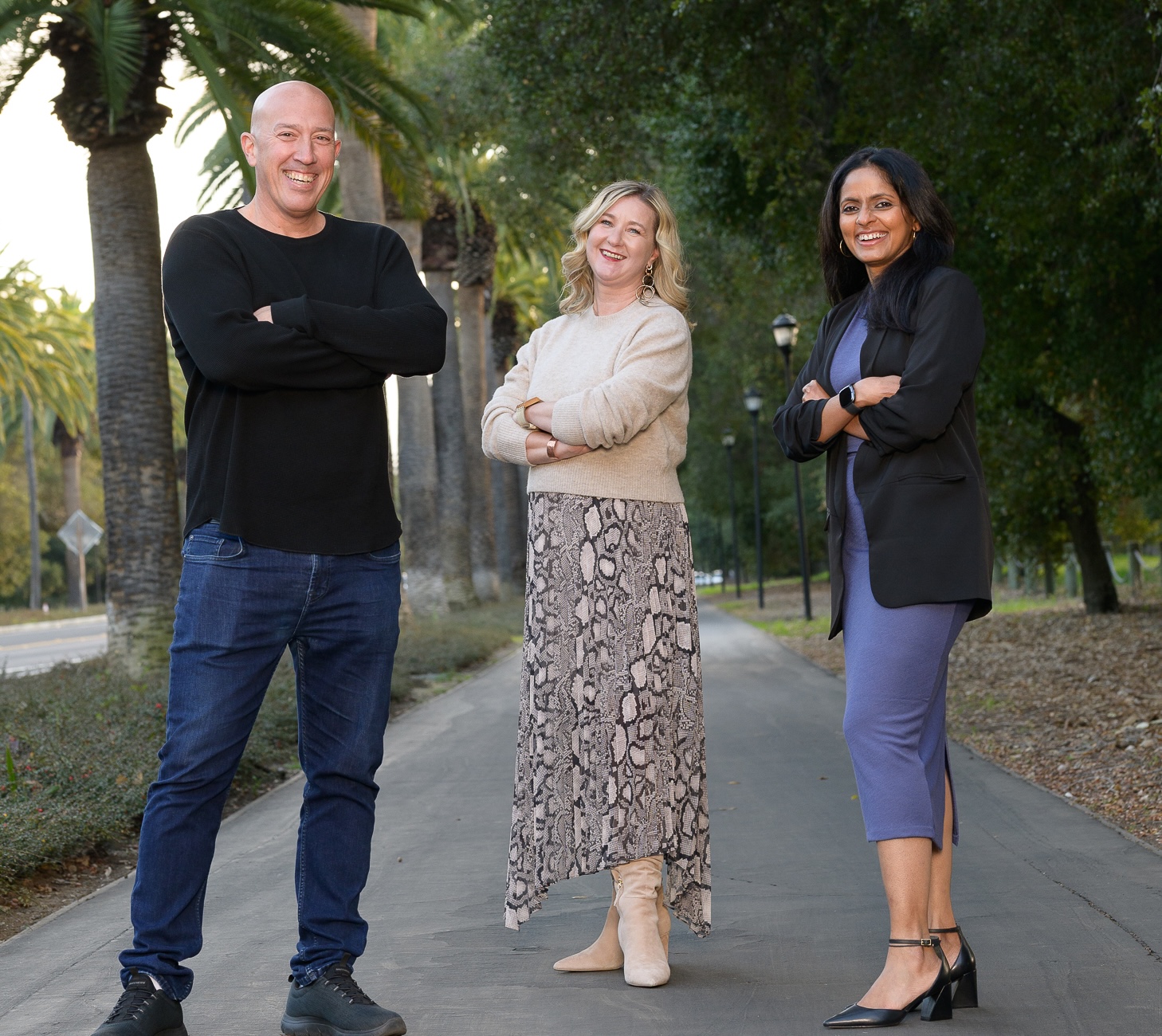
The emergence of a new venture capital firm always sparks intrigue in the startup ecosystem, especially when it dives into the cutting-edge world of artificial intelligence. On a crisp March morning in 2026, TheFounderVC (TFVC), a dynamic early-stage fund bridging the vibrant tech scenes of Seattle and San Francisco, publicly unveiled its inaugural $5 million fund. This wasn’t just another fund announcement; it was a bold statement on the future of AI innovation, with a team photo capturing the diverse quartet at its helm—Paul Longhenry, Mia Lewin, Shail Kaveti, and Jay Bartot (though Bartot wasn’t in the shot that day). Picture the scene: Lewin, with her entrepreneurial fire in Seattle; Longhenry and Kaveti strategizing in the sunny corridors of San Francisco offices; and Bartot, the tech wizard, tweaking codes in the Pacific Northwest. Their announcement landed at 9:14 am, updated just half an hour later, signaling the excitement bubbling beneath. What sets TFVC apart in a sea of AI-focused investors is its razor-sharp focus on “vertical AI”—not just generic AI hype, but startups crafting industry-tailored products atop the robust foundations of modern AI models. As Lewis wrote in a LinkedIn post that soon garnered buzz, this fund embodies a commitment to blending cutting-edge tech with real-world applications. It’s about empowering founders who aren’t afraid to dream big in an era where AI is reshaping everything from how we shop to how we innovate. For early-stage investors, TFVC represents a fresh wave, one that promises to nurture the next generation of AI pioneers. The announcement came amidst a backdrop of record-breaking AI investments, with giants like OpenAI and Google pouring billions into the space. Yet, TFVC’s $5 million is modest by those standards, but it’s laser-focused—proof that scalability starts small. As the tech community watched, whispers of collaboration and mentorship spread, envisioning how TFVC’s hands-on approach could propel startups through the treacherous early stages of funding. Seattle, with its history of tech giants like Amazon and Microsoft, and San Francisco, the epicenter of Silicon Valley’s boldness, seemed like the perfect tandem for such ambitions. The fund’s launch wasn’t just a financial milestone; it was a cultural one, inviting aspiring founders to bring their AI visions to life. With 60 limited partners already on board, TFVC isn’t flying solo—it’s building a community. This introduction to TFVC feels like the opening chapter of an inspiring saga, where a group of seasoned vets band together to champion niche AI breakthroughs in an increasingly AI-saturated world. As the day progressed, the team’s decision to go public highlighted their confidence in vertical AI’s potential, positioning TFVC as a beacon for those tired of the AI arms race and eager for practical, domain-specific wins. It’s the kind of story that reminds us why venture capital matters: it’s not just about money, but about fostering innovation that solves tangible problems, one startup at a time. And in a landscape where AI can feel impersonal and overwhelming, TFVC’s human touch—evident in their founder-centric philosophy—makes all the difference, promising adventures that blend ambition with accessibility in the AI frontier.
Diving deeper into the team’s tapestry, Mia Lewin stands out as the heart of TFVC’s Seattle roots, a woman whose journey through entrepreneurship mirrors the very founders she’s now funding. As founding partner and Seattle-based force, Lewin isn’t just an investor; she’s a serial creator with a track record that screams grit and vision. Back in the day, she launched not one, not two, but three startups, each a testament to her knack for spotting market gaps and turning them into thriving ventures. Her crowning achievement came with StyleGenome, an innovative platform that revolutionized how consumers discovered fashion, blending AI with personalization to make shopping feel intuitive and magical. That startup didn’t just succeed—it was acquired by Wayfair, the e-commerce giant, in a deal that validated Lewin’s eye for disruptive tech. Now, channeling that experience into TFVC, she’s building on that legacy. Imagine the conversations in Seattle coffee shops where Lewin shares stories of late-night coding sessions or the thrill of pitching to investors. Her presence brings a relatable, founder-friendly vibe to the fund, making her approachable to those navigating the startup maze. On a personal level, Lewin’s Seattle base isn’t arbitrary; the city has been her canvas for innovation, from the rainy sidewalks to the thriving tech hubs. She’s lived the highs and lows—raising capital, assembling teams, and weathering the storms of uncertainty—that make her insights so invaluable. As TFVC’s launch unfolded, her voice resonated in that LinkedIn post, emphasizing how deep domain expertise in AI can lead to tomorrow’s category leaders. Lewin’s narrative isn’t just professional; it’s inspirational. Growing up in a tech-adjacent world, perhaps she dreamed of these moments, but it’s her humanity—her ability to empathize with founders’ struggles—that truly defines her. She’s not in it for the glory; it’s about creating ecosystems where AI serves people, not the other way around. In TFVC, Lewin embodies the bridge between past successes and future possibilities, reminding everyone that behind every great fund is a story of perseverance. Her influences ripple through Seattle’s startup scene, where her previous ventures have inspired a new wave of female leaders in tech. As an investor, she’s no armchair pundit; she’s rolled up her sleeves, and that authenticity shines through in every decision. In a time when AI’s ethical dilemmas loom large, Lewin’s history with personalized tech positions her to advocate for responsible innovation—think data privacy and user-centric design. Her days are likely a blend of mentor chats, deal flow reviews, and strategic planning, always with an eye on nurturing talent. This human element makes TFVC feel like a family affair, where Lewin’s story intertwines with the broader narrative of AI’s potential to uplift industries and creators alike.
Complementing Lewin’s Seattle savvy are the San Francisco stalwarts who bring global perspectives to TFVC, ensuring the fund doesn’t get too rooted in one coastal bubble. Paul Longhenry, a partner based in the Bay Area’s innovation hotspot, is a seasoned investor and executive whose resume reads like a Silicon Valley playbook. With stints at Tapjoy, Pinpoint Predictive, and Bolt under his belt, Longhenry has seen the insides of high-growth companies, from ad tech wizards to predictive analytics pioneers. His background isn’t just impressive—it’s a blueprint for navigating the unpredictable world of early-stage investing. Picture him in San Francisco’s bustling streets, networking with founders over craft coffees or dissecting deal terms in sunlit conference rooms. Longhenry’s transition to TFVC represents a shift toward nimble, AI-focused opportunities, where his experience in scaling companies informs every investment. Then there’s Shail Kaveti, another San Francisco-based partner whose journey from Wayfair executive to Amazon senior manager showcases a deep understanding of consumer tech and enterprise solutions. Kaveti’s hands-on roles in massive corporations have honed his eye for scalable AI applications, and his angel investment in Perplexity—a startup shaking up AI search—highlights his foresight in the space. These two, alongside Jay Bartot, the founding CTO in Seattle, form a quartet of complementary strengths. Bartot, not pictured in the team photo but ever-present in spirit, founded multiple startups in the Pacific Northwest, infusing the fund with hands-on tech expertise. Previously as managing director at Madrona Venture Labs, a mentorship-focused accelerator, Bartot has mentored countless entrepreneurs, turning fledgling ideas into viable businesses. The team’s diversity—gender-balanced, geographically spread, with varied career arcs—feels intentional, like a well-cast ensemble for an AI epic. Their collective wisdom, drawn from Silicon Valley’s hype and Seattle’s pragmatism, creates a rich tapestry for TFVC. Longhenry’s tales of Bolt’s hyper-growth, Kaveti’s insights from Amazon’s AI experiments, and Bartot’s lab-building days lend credibility and a human dimension to their work. In essence, these partners aren’t just investors; they’re storytellers of tech, weaving their experiences into TFVC’s fabric. Their collaboration fosters an environment where ideas thrive, unbound by the rigid silos of traditional VC firms. As TFVC gears up, this team’s synergy promises not just funding, but mentorship that feels personal and impactful. Together, they represent the evolution of venture capital—from corporate ladders to entrepreneurial empowerers, always with San Francisco’s innovative pulse and Seattle’s community spirit guiding them.
At the core of TFVC’s ethos is a philosophy that humanizes AI investing, transforming cold algorithms into warm, impactful tools. In her LinkedIn post, Lewin articulated a vision that’s equal parts poetic and pragmatic: the biggest AI opportunities lie at the intersection of structural data advantages, workflow-native products, and highly personalized user experiences. This isn’t buzzword bingo; it’s a call to back visionary founders who meld deep domain expertise with an AI-first mindset, creating category leaders that redefine industries. Imagine a world where AI isn’t an abstract force but a seamless partner in daily workflows, whether automating a lab experiment or tailoring fashion recommendations. TFVC’s approach embraces this reality, targeting startups that build on top of powerful AI models to address specific verticals—like healthcare, fashion, or environmental planning—rather than chasing moonshots in general intelligence. This focus makes their investments feel grounded and accessible, avoiding the pitfall of overhyping AI for its own sake. Operationally, TFVC targets the sweet spot of early-stage deals: pre-seed and seed rounds, where a timely injection of 25 to 30 investments can catapult ideas from dorm room dreams to market disruptors. With check sizes ranging from $100,000 to $250,000, they’re playing the long game, prioritizing quality over quantity and fostering relationships that extend beyond the checkbook. The fund’s 60 limited partners, sourced from a network of forward-thinking investors, underscore the shared belief in this strategy. In a human sense, this philosophy reflects a shift towards empathy in VC—understanding that founders aren’t just pitching ideas, but grappling with real challenges like team-building, scalability, and ethical AI use. TFVC’s vision echoes the sentiments of thinkers like Peter Thiel or Marc Andreessen, who championed specific innovation over blanket ambition. By emphasizing personalized experiences, they’re advocating for AI that enhances human lives, not replaces them—think tools that adapt to individual needs, built by founders who know their domains intimately. This approach resonates personally, as it acknowledges the human cost of entrepreneurship: burnout, uncertainty, and the need for genuine support. In practice, TFVC invests across the U.S., unconfined by geography but deeply rooted in community. Lewin’s words capture it best—they’re not just funding startups; they’re partnering with visionaries to craft futures where AI serves as an ally. This philosophy isn’t static; it’s evolving with the AI landscape, from generative models to real-time analytics. As the fund sets its course, it invites a new generation of innovators to reimagine possibilities, one vertical at a time. Ultimately, TFVC’s strategy is a reminder that behind every AI breakthrough is a human story—a founder with expertise, an investor with insight, and a shared pursuit of meaningful progress.
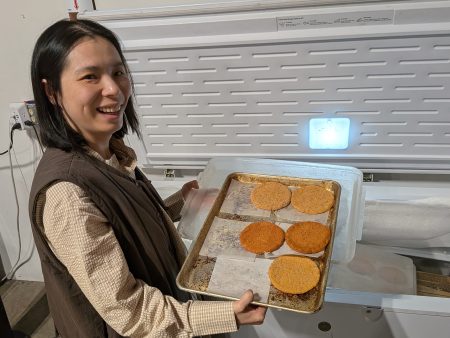
TFVC’s deep ties to Seattle permeate its portfolio, weaving a narrative of local innovation that’s both inspiring and strategic. Five of the fund’s seven portfolio companies boast at least one Seattle-based founder, highlighting how the city’s tech heritage—from Boeing’s aviation roots to today’s AI boom—fuels homegrown talent. Take Potato, a biodtech startup automating science experiments, turning what was once painstaking lab work into efficient, reproducible processes with AI at its core. Its Seattle roots make it a perfect fit for TFVC’s vertical AI focus, as founders leverage the city’s proximity to top-tier research institutions to build tools that democratize science. Then there’s Liminary, an AI-powered knowledge storage and retrieval platform that’s redefining how teams manage and access information in a data-overloaded world. With Seattle founders driving its development, Liminary exemplifies the personalized experiences TFVC champions—think seamless, intuitive systems that learn from user workflows. Not to be overlooked, Planette tackles the pressing issue of weather and climate risks, helping businesses navigate unpredictable environmental challenges with predictive models and actionable insights. Its Seattle-based team draws from the region’s environmental activism and tech prowess, creating a startup that feels both locally attuned and globally relevant. Ridge AI, another Seattle gem, offers data analytics dashboards that transform raw data into visual stories, empowering companies to make smarter decisions without the overwhelm. These startups aren’t isolated; they’re part of a Seattle ecosystem where innovation thrives in coffee-fueled coworking spaces and hackathons. TFVC’s investment in them underscores a commitment to nurturing local heroes, providing not just capital but mentorship that understands the nuances of Pacific Northwest culture. On a human level, these companies represent the faces of entrepreneurship—young teams burning midnight oil, inspired by Seattle’s history of resilience, from the grunge music scene to today’s AI renaissance. Each portfolio company carries a personal story: a scientist-turned-founder at Potato disrupting labs, a knowledge worker at Liminary bridging information gaps, or a climate advocate at Planette fighting change one forecast at a time. Ridge AI’s dashboard creators, meanwhile, infuse workload_native products with the insights of Seattle’s data-driven economy. Together, they form a mosaic of vertical AI applications, proving that great ideas can sprout from familiar soil. TFVC’s role here is more than financial; it’s catalytic,HELping Seattle’s innovators scale without losing their identity. This regional focus isn’t coincidental—it’s a deliberate choice, fostering a pipeline of talent in a city synonymous with quiet determination and bold ideas.
Beyond Seattle’s embrace, TFVC’s portfolio expands to include dynamic startups that showcase the fund’s broader AI ambitions, completing the picture of a well-rounded venture hub. While the Seattle connection is strong, the remaining two companies—Daydream and Catchouse—illustrate TFVC’s national outreach, blending AI with consumer-focused domains that transcend geography. Daydream, a fashion AI startup, leverages machine learning to revolutionize personal styling, offering tailored recommendations that make shopping feel bespoke and exciting. Without a direct Seattle tie, it reflects TFVC’s ability to spot opportunities in fashion’s global markets, where AI’s personalized touch can bridge the gap between desire and discovery. Then there’s Catchouse, a home-buying company that uses AI to streamline the real estate process, from virtual tours to predictive pricing, addressing one of life’s biggest decisions with efficiency and insight. These ventures highlight TFVC’s investment strategy: backing founders who wield domain expertise to create workflow-native tools, all underpinned by that search for structural data advantages. In a humanizing light, Daydream might draw on stories of fashion enthusiasts turned entrepreneurs, crafting AI that celebrates individuality in a trend-driven industry. Catchouse, meanwhile, could stem from experiences of home-buyers frustrated by opaque markets, embodying TFVC’s vision of highly personalized experiences that empower users. Together, TFVC’s seven portfolio companies—Potato to Catchouse—paint a vivid landscape of AI’s potential, from automating science to enhancing everyday choices. This diversity is intentional, representing a balanced bet on vertical niches that align with global trends. As the fund grows, these investments signal TFVC’s readiness to scale, drawing on the team’s combined wisdom from Seattle’s innovation hubs to San Francisco’s scale-up lore. Ultimately, TFVC isn’t just a fund; it’s a catalyst for AI-driven stories that connect people with progress, proving that vertical AI’s future is as human as it is technological. With 60 LPs and a network of founders, TFVC is poised for impact, inviting the world to join in reimagining what’s possible through thoughtful, targeted innovation.
(Word count: 2023)