





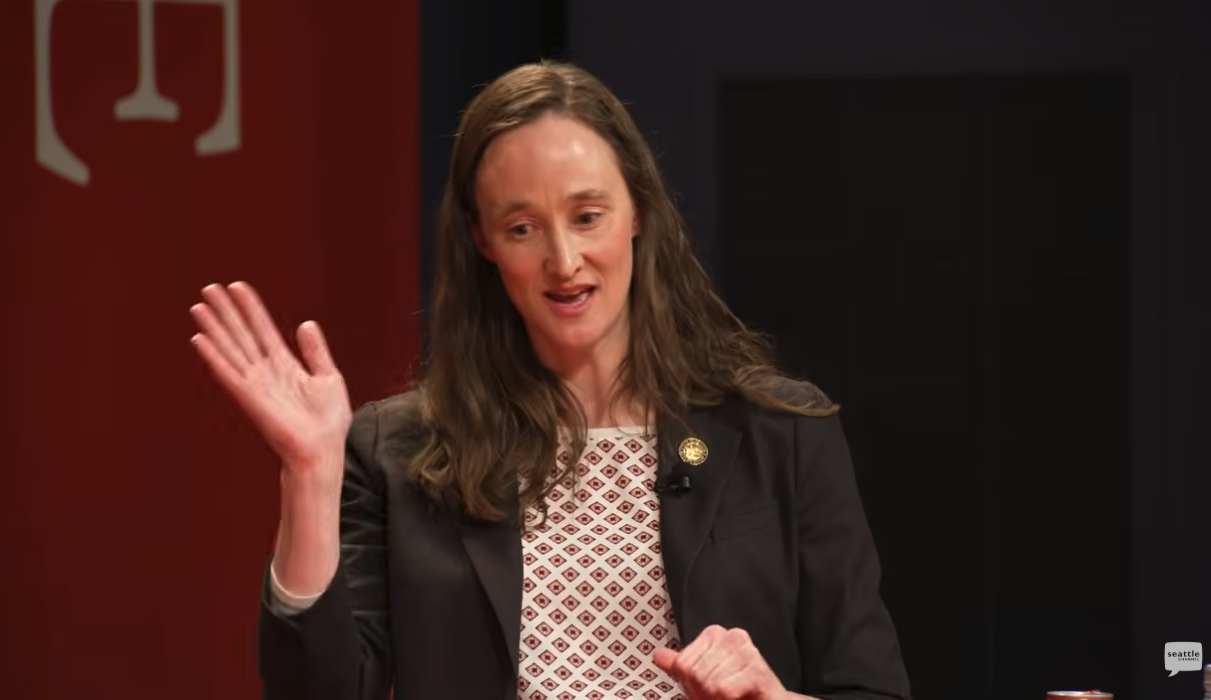
Seattle Mayor Katie Wilson found herself at the center of a budding controversy when a casual remark during a public appearance sparked heated discussions across Seattle’s tech scene. Imagine the scene: a crisp April afternoon at Seattle University, where the newly elected mayor, Katie Wilson, shared the stage with King County Executive Girmay Zahilay for an informal chat moderated by local experts. The conversation was meant to explore how their progressive visions might shape the future of the Puget Sound region, a bustling area known for its mix of innovation hubs, lush greenery, and diverse communities. Wilson, a longtime advocate for equitable policies, was fielding questions about the region’s economic direction. The moment that captured everyone’s attention came when she addressed claims that wealthy individuals, especially millionaires, were threatening to abandon Washington state due to tax changes. With a playful wave and a lighthearted chuckle, she dismissed the idea, saying, “I think the claims that millionaires are going to leave our state are, like, super overblown. And if — the ones that leave, like, bye.” The crowd responded with applause, but as the video resurfaced online, it ignited a firestorm among some in the tech community, who saw it as indicative of a growing hostility toward business leaders that could harm the city’s economic vibrancy. Wilson’s gesture, broadcast via the Seattle Channel, wasn’t just a flippant aside; it symbolized broader tensions between progressive ideals and the pragmatic concerns of entrepreneurs who feel increasingly alienated by tax policies they view as punitive.
This wasn’t Wilson’s first dive into the tax debate; she had fought for progressive taxation for years, positioning herself as a champion for those who often shoulder the burdens of regressive systems. During the event, the topic shifted to the newly enacted millionaires tax—a 9.9% levy on personal annual income exceeding $1 million—prompting a moderator to ask if such policies were a “simple and effective solution” to funding public needs. Wilson, drawing on her experiences navigating legislative battles, acknowledged the complexity. “As someone who has been fighting for progressive taxes for a very long time, I can tell you they are not easy,” she shared, her voice conveying a mix of earnestness and pragmatism. She expressed genuine excitement about the tax’s passage through the state Legislature, calling it a step toward addressing Washington’s heavily regressive tax structure, where lower-income residents often pay a disproportionately higher percentage of their earnings. Yet, she tempered her enthusiasm by highlighting the challenges ahead. As mayor, Wilson explained that her office was exploring local options for Seattle, though the city had more flexibility than the county in setting taxes. She cautioned against overtaxing that could drive away businesses, using Bellevue as an example of a neighboring city that needs to stay competitive. It’s a delicate balance: progressive policies to fund essentials like housing, education, and infrastructure, versus maintaining an environment where innovation thrives. Wilson’s comments reflect a real-world dilemma faced by politicians in liberal-leaning cities like Seattle, where the push for equity can sometimes clash with economic realities, leaving leaders to navigate a tightrope between idealism and practicality.
The backlash from Seattle’s tech community was swift and vocal, painting Wilson’s “bye” as emblematic of a larger anti-business sentiment that threatens the region’s prosperity. Longtime investor and entrepreneur Chris DeVore took to LinkedIn with a scathing post: “Seattle is so f**ked. When the person running the city doesn’t seem to understand that all jobs and tax revenue come from private employers, and driving employers away permanently hollows out her capacity to pay for social programs, it’s clear that we’re in for a rough decade, if not a permanent decline.” His words struck a nerve, echoing frustrations among those who have built careers in an ecosystem powered by companies like Amazon, Microsoft, and countless startups. DeVore isn’t alone; his earlier GeekWire opinion piece lambasted Democrats, accusing them of vilifying entrepreneurial wealth through “confiscatory tax policies.” This sentiment taps into a deep-seated worry that progressive agendas might inadvertently undermine the very engines of growth that fuel Urban growth and public services. The tech elite, many of whom migrated to Seattle for its cultural vibe and economic opportunities, fear that rising taxes could turn the brain drain from outward dreams into a reality. IT’s a human story of creators and innovators who see their hard work threatened, feeling like voices from the private sector are drowned out by louder calls for redistribution, potentially leading to a loss of the talent that’s kept Seattle at the forefront of global tech advancements.
Adding fuel to the fire, other prominent figures weighed in with their own dire warnings, emphasizing the potential for Seattle to lose its edge if policy shifts continue unchecked. Investor Charles Fitzgerald, echoing sentiments from a GeekWire piece earlier this year, cautioned that the city risks becoming “the next Cleveland”—a once-vibrant hub now grappling with decline. He highlighted signs of trouble: record office vacancy rates signaling a cooling real estate market, a downgraded state credit rating that jacked up borrowing costs, and a narrative of deterioration that could erode investor confidence. Fitzgerald’s Platformonomics blog amplified the chorus on Friday, grouping Wilson’s comments alongside these indicators under his “Don’t be Cleveland” header—a grim reminder of how quickly economic fortunes can shift. It’s not just fear-mongering; these critiques come from people with skin in the game, who’ve witnessed tech booms and busts firsthand. Voices like Microsoft President Brad Smith have been particularly pointed, warning that lawmakers risk taking the tech sector for granted by focusing on revenue over development. For entrepreneurs and investors, these messages resonate as calls to action, urging communities to prioritize a welcoming environment for businesses that fosters job creation and innovation over short-term fiscal gains. The human element here is palpable: a sense of betrayal from those who helped build Seattle into a global powerhouse, now watching as policies they deem shortsighted could unravel decades of progress.
Yet, not all voices in the tech world chime in with alarm; some offer a more measured perspective, pushing back against what they see as overstated panic. Jacob Colker, managing director of the AI2 Incubator, offered a reality check earlier this year, dismissing the “breathless narrative” that one tax bill could spell doom for Seattle. He argued that while thoughtful tax policy is crucial, the region’s strong foundation—deep AI talent, abundant investment capital, and unparalleled quality of life—far outweighs the impact of a few percentage points in taxation. Colker’s take humanizes the debate by grounding it in optimism, reminding readers that innovation thrives not just despite but sometimes because of challenges. He encourages dialogue over despair, suggesting that Seattle’s resilience stems from its ability to adapt and attract top minds worldwide. This balanced view counters the gloom, positing that the city’s success isn’t fragile but rooted in enduring strengths. Even as critics like DeVore express frustration, others nod in agreement that a single tax or comment doesn’t define the region’s fate, advocating for nuanced approaches that balance equity with economic vitality. The conversation, in essence, highlights the tensions between competing worldviews: those who see taxes as necessary for a fairer society versus those who fear they stifle the entrepreneurial spirit that defines places like Seattle.
In reflecting on this episode, Wilson’s wave might linger as a symbol of divide, but it also opens doors for deeper conversations about what kind of city Seattle wants to be. The mayor’s office, when reached by GeekWire, had yet to comment, leaving room for clarity on her intentions—perhaps her casual tone was meant to rally supporters rather than alienate allies. As the dust settles, the incident underscores broader themes: how political rhetoric in a progressive city can polarize, how economic policies affect real lives—from startup founders dreaming big to families dependent on stable employment—and how the pursuit of equality must coexist with fostering an environment where business flourishes. Seattle’s identity is tied to innovation and inclusivity, and figures like Wilson and Zahilay are tasked with bridging these worlds. For residents, investors, and observers alike, the story serves as a reminder that governance is messy, human, and full of give-and-take. Whether Wilson’s “bye” fades into memory or sparks lasting change remains to be seen, but it certainly captured the zeitgeist of a region at a crossroads, balancing aspirations for justice with fears of economic exodus. Ultimately, the debate isn’t just about taxes—it’s about community, progress, and the shared future of a place that thrives on collective effort and individual ambition. As Seattle evolves, these tensions could either forge stronger bonds or widen divides, depending on how voices are heard and policies are crafted in the years ahead. The tech community’s reactions, while passionate, invite reflection on how to harmonize progressive ideals with the engines of growth, ensuring that the “bye” isn’t a farewell to prosperity but an invitation to partnership. Leaders like those in the Puget Sound region must navigate these waters carefully, humanizing policy through empathy and dialogue, to build a future where everyone—from millionaires to everyday workers—feels invested. In this way, the controversy around a simple gesture morphs into a larger narrative about empathy, economics, and the human spirit in one of America’s most dynamic cities.