





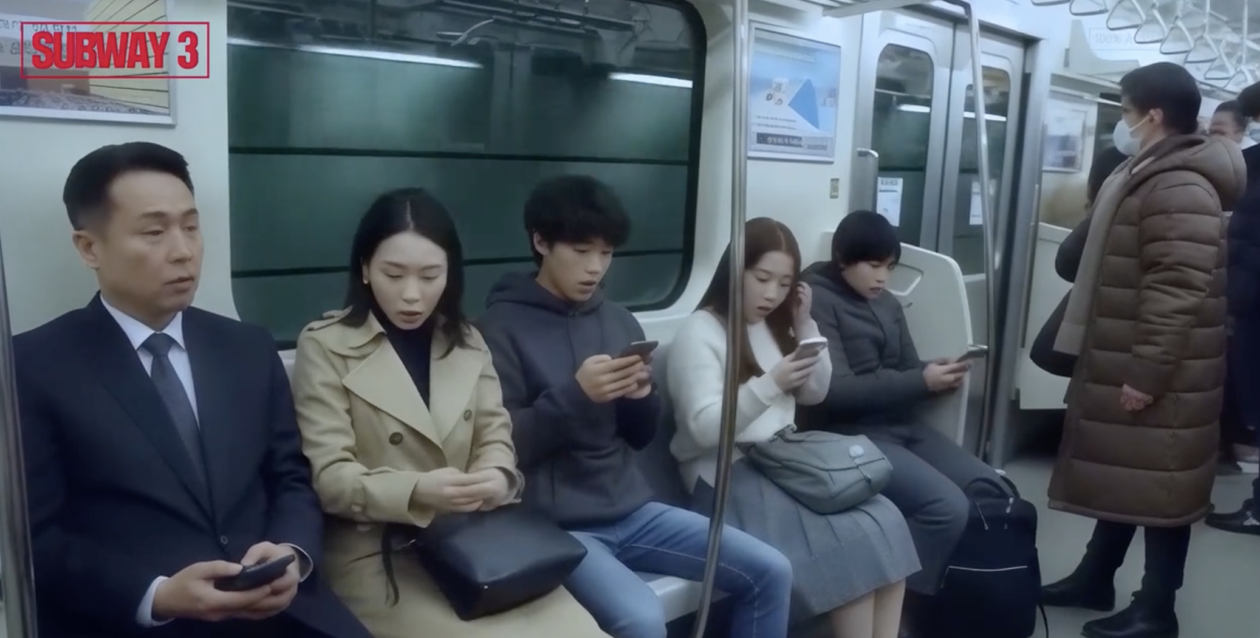
In an era dominated by anxious headlines and fierce debates over whether algorithms will eventually replace human artists, a quiet but profound revolution is taking shape in the heart of the Pacific Northwest, proving that technology can be an empowering collaborator rather than an existential threat. This August, the grand stage of Seattle’s McCaw Hall will host the second annual Seattle AI Film Festival (SAIFF), a landmark gathering that seeks to dismantle the binary narrative of humans versus machines by showcasing 200 films born from a harmonious fusion of both. Among the most anticipated highlights of the festival is a screening of Subway 3, a visually arresting short film by director David Ahn that beautifully encapsulates the event’s core philosophy: that artificial intelligence, when guided by the nuanced emotional intellect of a passionate filmmaker, can unlock entirely new dimensions of visual storytelling. For many in the creative community, the rapid rise of generative AI has felt less like a technological leap and more like an encroachment on the sacred territory of human self-expression. Yet, SAIFF arrives not to replace the director’s chair, but to expand the canvas upon which artists paint, offering a physical sanctuary where skeptics and pioneers alike can witness what happens when filmmakers embrace these new tools with intention and heart. By integrating generative models into complex workflows—from surreal animation and mind-bending visual effects to meticulous editing and rich, atmospheric sound design—the featured creators are demonstrating that the essence of cinema remains firmly rooted in human memory, empathy, and raw imagination. The festival serves as a vibrant testament to the idea that while the brushes we use are changing faster than ever before, the soul behind the stroke remains entirely, beautifully human.
Positioning this cinematic frontier in Seattle was far from a random decision; rather, it represents a deliberate effort to bridge the gap between the city’s legendary technological engine and its vibrant, often underrepresented creative community. John Gauntt, the festival’s visionary creative director, points out that the city possesses a rare and potent combination: a world-class artificial intelligence ecosystem paired with a massive, largely quiet creative economy that is ripe for cultural disruption. Gauntt notes that “Seattle and AI make sense together in the same way Milwaukee and beer do,” highlighting a natural synergy that allows the region to foster a cultural scene that is simultaneously distinct to the Pacific Northwest yet globally relevant. By championing artificial intelligence as an essential component of the modern creative workflow, the festival aims to democratize the traditionally gatekept, highly expensive visual language of cinema. Historically, bringing a grand visual vision to life required millions of dollars, massive production crews, and years of grueling labor—barriers that have kept countless brilliant storytellers on the sidelines. Through the lens of SAIFF, however, AI is reframed as a powerful equalizer that allows independent creators to produce world-class cinematic content under radically different economics, compressed timescales, and without the need for highly specialized, cost-prohibitive technical expertise. This shift does not cheapen the art; instead, it shifts the focus back to where it truly belongs: on the strength of the concept, the depth of the characters, and the emotional resonance of the narrative journey, proving that financial constraints should no longer dictate who gets to tell their stories on the silver screen. By lowering these historic barriers, the festival is opening the floodgates for a new generation of diverse voices who can now paint their dreams directly onto the screen without needing the backing of major Hollywood studios.
Crucially, the organizers of the Seattle AI Film Festival are acutely aware of the valid criticisms and skepticism surrounding generative AI, particularly the proliferation of low-effort digital “slop” that often gluts online platforms. Gauntt openly acknowledges that the current backlash against AI filmmaking is real and rooted in genuine, understandable anxieties about the blistering pace of change within the creative industries, which often serves as a proxy for broader societal fears about automation and job security. To combat this pervasive sense of fear, uncertainty, and doubt—often referred to in tech and creative circles as “FUD”—the festival acts as a form of cultural immunization, showing audiences that AI-assisted cinema can transcend the tired, plasticky aesthetics and derivative tropes that have come to define early generative art. Attendees will not be subjected to endless, superficial montages or repetitive sci-fi clichés about dystopian cyberpunk worlds ruled by killer robots. Instead, the festival has carefully curated a lineup characterized by deliberate, careful craftsmanship, showcasing longer narrative arcs spanning fifteen to thirty minutes, remarkably natural dialogue, and a level of visual and thematic consistency that was previously thought impossible with generative tools. By confronting the limitations and criticisms of the medium head-on, the festival seeks to educate the public on the difference between lazy automation and active, rigorous co-creation, proving that in the hands of a dedicated artist, AI can be used to construct deeply human narratives rather than soulless spectacles that merely seek to mimic human work. This approach invites the audience to see AI not as an automated shortcut to bypass the hard work of writing and directing, but as a sophisticated digital instrument that requires immense dedication, artistic vision, and iterative labor to master, thereby elevating the technology into a true medium of high art.
The sheer diversity and global reach of the submissions speak volumes about how deeply this new medium has resonated with storytellers worldwide, drawing entries from thirty-four different countries, including Kazakhstan, India, Iran, and Argentina. South Korea emerged as a particularly dominant force in this emerging landscape, contributing twenty-three of the submitted films and showcasing the country’s signature blend of cutting-edge tech adoption and masterclass narrative pacing. Among the standout selections that promise to captivate audiences are trailers that stretch the boundaries of conventional genre and aesthetic form. For instance, the Canadian entry La Pornographe offers viewers an exquisite, experimental journey through dreamscapes of dew-soaked, botanical beauty reminiscent of Georgia O’Keeffe’s famous paintings, demonstrating how AI can evoke delicate sensory intimacy and organic warmth. In stark contrast, South Korea’s Half Psychopath delivers a high-energy, adrenaline-fueled action thriller that demonstrates the technology’s capacity for intense pacing, kinetic camera movements, and visceral suspense. Meanwhile, Germany’s The Cinema That Never Was takes a deeply poignant, philosophical approach by using generative AI to manifest the vivid cinematic worlds that previously existed only in the frustrated imaginations of writers whose scripts were never greenlit by traditional studios. These films do not merely showcase technical capability; they serve as a profound reminder that across different cultures, languages, and geographies, the human drive to share stories and connect with one another remains the ultimate catalyst for technological innovation, using code to translate the universal language of human emotion. By bringing together such vastly different voices, the festival underscores that AI is not a homogenizing force that erases cultural differences, but rather a flexible tool that reflects the unique cultural heritage, artistic traditions, and personal perspectives of the filmmakers who wield it.
The physical growth of the festival itself mirrors the rapid evolution of the technology it celebrates, transforming from what was essentially a guerrilla-style startup in its inaugural year to a highly anticipated, professional industry gathering. This year, organizers are preparing to welcome up to five hundred attendees over the course of the two-day event—a massive leap from the modest crowd of one hundred and ten people who gathered for the debut festival. This surge in interest reflects a growing hunger among both the public and industry professionals to move past polarized online debates and engage with the actual, practical realities of AI filmmaking. Beyond the curated screenings, the festival has designed McCaw Hall to be an interactive, educational hub featuring expert-led panels, collaborative workshops, and live tool demonstrations. Here, curious attendees, aspiring directors, and veteran filmmakers can look “under the hood” of the generative programs, demystifying the complex algorithms and learning exactly how these filmmakers direct, prompt, and refine their digital assets. By creating a physical space where creators can directly connect with technology sponsors, software developers, and traditional production studios, the festival is actively fostering a collaborative ecosystem where art and commerce can constructively converse, ensuring that the future of cinema is built on mutual understanding rather than isolation. This hands-on, community-focused approach helps strip away the mystique and fear surrounding the technology, replacing apprehension with a sense of wonder and practical empowerment that attendees can take back to their own creative practices. In doing so, the festival transitions from a mere exhibition of completed works into a living laboratory where the future of the cinematic medium is actively debated, negotiated, and constructed in real-time by a community of passionate peers.
Looking firmly toward the future, the ambition of the festival’s organizers extends far beyond the final credits of this year’s screenings, culminating in the launch of the Creative AI Accelerator. Developed in partnership with a coalition of national and international AI film organizations, this forward-thinking initiative is designed to intensively train between thirty and fifty local Seattle creators, equipping them with the practical skills and theoretical frameworks necessary to seamlessly integrate artificial intelligence into their existing workflows. By establishing a robust, localized network of skilled AI creators who can collaborate on ambitious projects and reach global audiences, the program seeks to ensure that Seattle remains at the absolute forefront of this rapidly evolving cinematic paradigm. For those eager to witness this artistic milestone firsthand, tickets are currently available on Luma, offering single-day passes starting at twenty-five dollars alongside comprehensive full-weekend packages that grant access to the entire suite of screenings, workshops, and exclusive networking events. Ultimately, the Seattle AI Film Festival is not just a showcase of novel technology, but a celebration of the enduring human spirit; it stands as a reminder that no matter how sophisticated our machines become, they will always require the warmth of human curiosity, the depth of our lived experiences, and the spark of our dreams to truly bring them to life. By centering the human story in the middle of the digital storm, the festival offers a hopeful, inspiring vision of the future where technology serves to amplify, rather than silence, the unique and irreplaceable voice of the artist. This blend of local talent cultivation and global creative networking ensures that the momentum generated at McCaw Hall will continue to ripple outward, inspiring filmmakers around the world to view AI not as a threat to their livelihoods, but as a powerful, wind-filled sail capable of carrying their stories to shores they never thought possible.