



Imagine waking up in the bustling heart of Seattle, the tech capital of the Northwest, where coffee shops buzz with innovators coding away, and you’re itching to connect with cutting-edge projects sprouting in the more serene landscapes of Eastern Washington. April is around the corner, but as early as March 9, a fresh breeze of convenience is set to sweep through your travel routine. SeaPort Airlines is kicking off daily flights between Seattle’s Boeing Field and Spokane’s Felts Field, making that hop across the evergreen state feel like a smooth jaunt rather than a mountain of hassle. Picture this: no mega-airport congestion, just straightforward travel that could seamlessly link the pulses of Silicon Valley wannabes with the emerging hubs of the Inland Northwest. It’s not just about getting from point A to B anymore; it’s about bridging communities and ideas. Those familiar with GeekWire’s road series from last year know Spokane isn’t just a gateway city—it’s becoming a tech incubator, drawing in startups and entrepreneurs who see untapped potential in its mix of natural beauty and growing innovation scene. For commuters juggling Zoom calls from the Emerald City to client meetings in the Gem State, this flight isn’t a luxury; it’s a lifeline. I can almost hear the sigh of relief from families planning weekend getaways or the excited chatter of business folks plotting their next big pitch. It’s humanizing aviation, turning a potential chore into an opportunity to reflect on where you’re headed, both literally and figuratively. The airline’s approach feels grounded, almost personal, like they’re tailoring the skies to fit your life rather than forcing you into someone else’s jet-set mold. As someone who’s endured endless layovers, I appreciate how this route acknowledges the everyday traveler’s needs—shorter drive times, proximity to city centers, and an escape from the airport frenzy that often eats up your sanity. In a world obsessed with efficiency, SeaPort’s move could redefine regional travel, making the Pacific Northwest feel that much smaller and more connected. It’s a reminder that progress often comes from rediscovering what’s right under our noses, like a beloved old park reimagined for modern playdates. Overall, this inaugural service isn’t just adding another airline option; it’s weaving passengers into a larger narrative of regional rejuvenation, where Seattle’s tech boom meets Spokane’s frontier spirit.
Diving deeper, the real magic of these flights lies in their clever sidestepping of the chaos that plagues larger terminals. SeaPort Airlines isn’t settling for the sprawling sprawl of Sea-Tac, that titan of air travel where the roar of jumbo jets feels impersonal and overwhelming. Instead, they’ve championed the charm of smaller, centrally located fields like Boeing Field and Felts Field, which offer a refreshing antidote to the typical airport ordeal. Think about it: at Boeing Field, you’re mere minutes from downtown Seattle, dodging the notorious traffic snarls on the way to and from the airport. Free parking? Absolutely—carve that chunk out of your budget and stress. And goodbye to the unpredictable dance with TSA security lines that can turn a quick trip into an all-day affair. I’ve been there, fumbling with laptop bags and shoes removed, only to emerge feeling more disheveled than when I arrived. SeaPort’s strategy flips the script, emphasizing “fast, hassle-free travel” that treats passengers like valued friends rather than cogs in a machine. It’s about creating an experience that feels intuitive, where the journey matches the rhythm of your busy life. For Spokane-bound flyers, Felts Field provides that same intimate vibe, snug within the city’s embrace, far removed from the impersonal expanse of Sea-Tac. This isn’t just pragmatic; it’s empathetic. It acknowledges that not everyone has the time or means for extravagant flights; instead, it democratizes the skies, making elite-level convenience accessible. Entrepreneurs and families alike can breathe easier, knowing their travel plans won’t be hijacked by delays or exorbitant tolls. In a region where weather whims and logistical nightmares can derail the best-laid plans, this focus on efficiency is a quiet revolution. Picture packing your day’s work essentials, hopping onboard without the circus, and landing refreshed to tackle whatever awaits on the other side. It’s humanizing corporate travel, transforming what could be a grueling trek into a pleasant jaunt that respects your time and sanity. SeaPort’s vision resonates with anyone who’s ever muttered under their breath at an airport kiosk—it’s a nod to the little things that make big differences, fostering a sense of community among frequent fliers who might otherwise feel anonymous.
At the helm of this aviation revival is Kent Craford, SeaPort Airlines’ co-founder and CEO, a visionary with a knack for turning overflown ideas into soaring success. In a candid news release, Craford nailed it when he declared that Sea-Tac’s giant footprint has simply outgrown the nuances of short-hop travel in the Pacific Northwest. He’s pointing to a solution that’s as timeless as it is ingenious: Boeing Field, a bustling asset that’s been underutilized for everyday folk, often reserved for the private jet elite. “The solution is 100 years old, and it’s under our noses,” Craford quips, injecting a folksy charm into what could otherwise feel like sterile industry speak. It’s endearing—imagine a CEO channeling the wisdom of old aviators, reminding us that sometimes the best fixes are the simplest. Craford contrasts SeaPort’s grassroots approach with the global ambitions of giants like Alaska Airlines, positioning his company as the regional underdog ready to fill the gaps left by those aiming for the stars. As someone who’s interviewed trailblazers before, I admire how Craford’s passion shines through; he’s not just leading an airline, he’s nurturing a kind of family business ethos in the skies. His words about reclaiming Boeing Field for “everyone” echo a broader yearning for inclusivity, challenging the status quo where aviation perks were for the privileged few. You can sense the fervor in his voice, perhaps drawing from personal frustrations with inefficient travel—maybe late nights stuck in terminals during his own business days. This human touch is what elevates SeaPort from a mere carrier to a partner in your story, inviting passengers to share in the excitement of rediscovering forgotten paths. Craford’s leadership feels authentic, rooted in the region’s DNA, making you root for their success. In a profession often marred by boardroom jargon, his down-to-earth rallying cry to “stop reserving this amazing transportation asset for just the private jet-set” strikes a chord, resonating with everyday people tired of exclusionary norms. It’s inspiring, proving that innovation can stem from empathy and a hearty dose of hometown pride.
Peeling back the layers, SeaPort Airlines carries a rich heritage that adds depth to their Spokane expansion, drawing from a lineage of Alaskan roots that infuses every flight with rugged resilience. As a division of the Juneau-based Kalinin group, which stewards regional airlines like Alaska Seaplanes and Island Air Express, SeaPort embodies a spirit of pioneering that’s as much about connection as it is about conveyance. Launched initially in 2008, the airline navigated turbulent skies before a spirited relaunch in 2023, emerging stronger and more attuned to modern traveler needs. Their track record shines in the successful shuttle service between Boeing Field and Portland International Airport, where they’ve ramped up to an impressive 16 flights daily, proving their mettle in high-demand corridors. Reflecting on their evolution feels almost like flipping through a family album—tales of seaplanes skimming Alaskan waters evolving into piston-engine journeys, all underpinned by a commitment to regional folks who crave reliable links without the pretense. Craford and his team seem guided by a kinship with the communities they serve, perhaps shaped by Alaska’s communal ethos where isolation breeds ingenuity. It’s humanizing to think of the airline as part of a larger tapestry of Island Air Express’s island-hopping adventures or Alaska Seaplanes’ scenic routes, all stitched together by a shared ethos of accessibility. For newcomers to their fleet of Pilatus PC-12 aircraft—efficient turboprops that land gracefully on shorter runways—the lifecycle of SeaPort speaks to perseverance. They’ve weathered industry storms, adapting to match the pulse of places like Seattle, where tech barons mingle with poets. In Spokane, this background ensures flights that respect local rhythms, from ageless wheat fields to budding breweries. Passengers boarding these planes aren’t just customers; they’re inheritors of a legacy built on grit and goodwill. It’s comforting, knowing your journey is in the hands of a carrier with skinned knees from past flights, now poised to wing you comfortably toward horizons both new and familiar.
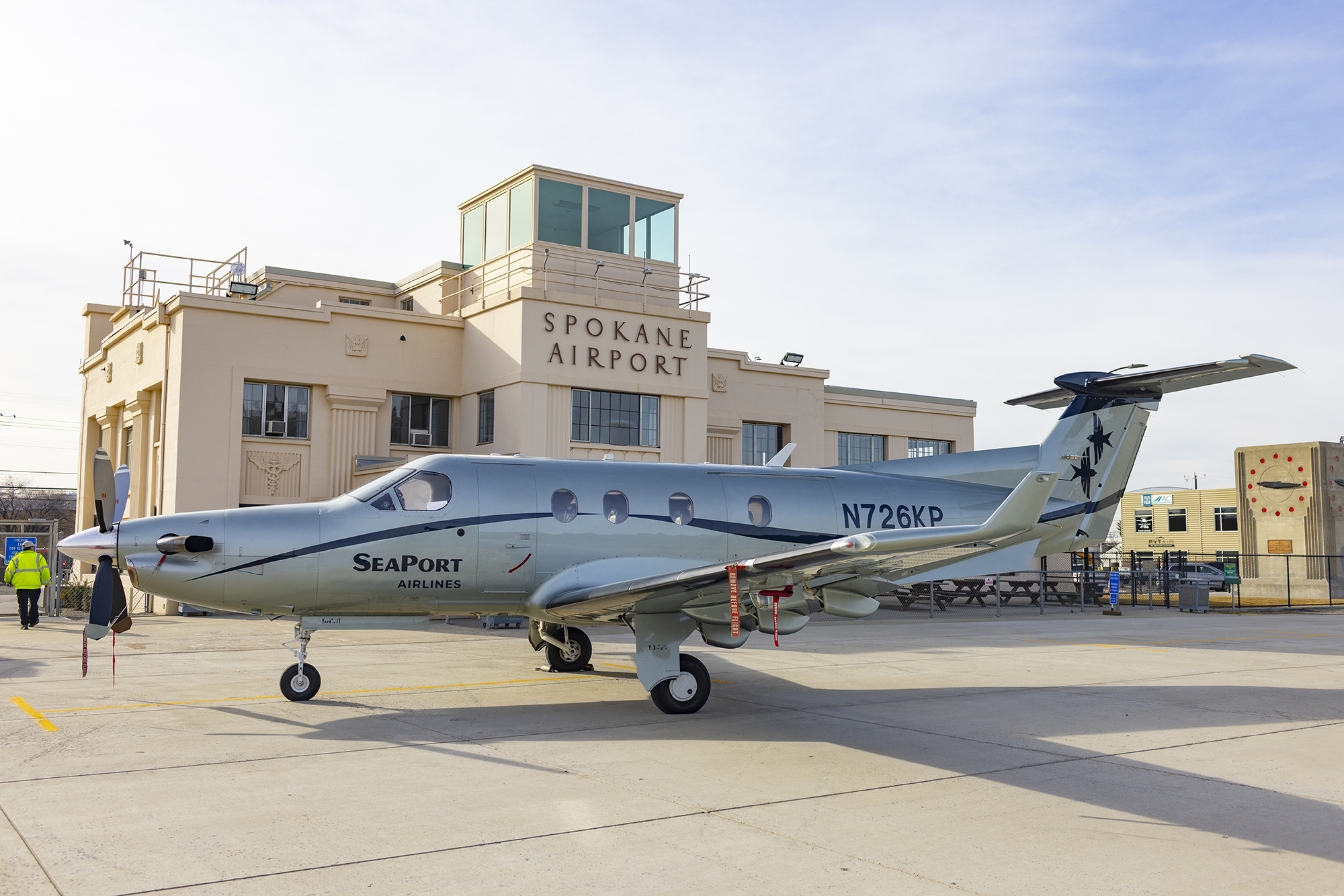
Now, zooming in on the nuts and bolts, SeaPort Airlines is rolling out a schedule that’s as thoughtful as it is generous, with eight daily flights slicing through the Washington skies—two roundtrips in the morning and two in the evening—to eliminate that midday lag many endure. You’re looking at departures timed to align with productive hours, ensuring you can catch a red-eye sort of redemption without sacrificing sleep or productivity. One-way fares kick off at a baseline $299, making regional travel competitive and approachable, especially when stacked against pricier interstate options that chew through wallets. I remember the days when short flights felt like rip-offs; here, it’s priced with the everyperson in mind, a direct jab at the inflated norms of big carriers. The airline’s promotional spirit shines brightly, too, with a juicy 32% discount up for grabs through April via the promo code SFF32—a clever homage to Felts Field’s 1932 terminal building, a historic gem that’s seen decades of takeoffs and landings. It’s a tip of the hat that feels personal, like the airline is inviting you into a slice of aviation history while slashing costs. Envision snagging that deal, stashing savings for a post-flight coffee or Spokane’s famed fusion of craft beer and mountain vistas. This pricing strategy isn’t arbitrary; it’s steeped in an understanding of traveler pain points, from fluctuating ticket costs to the sting of last-minute changes. Families, freelancers, and execs alike can plan with confidence, knowing they’ve got options that cater to life’s unpredictability. The Pilatus PC-12, parked poised at Felts Field in photos, symbolizes reliability—a sturdy bird built for Washington’s variable weather, carrying not just cargo but dreams. Humanizing these details reveals a company invested in your comfort, turning potential dread into delightful anticipation. It’s like unboxing a treat: the schedule opens doors to spontaneous detours, the fares democratize exploration, and the promo feels like a warm handshake from Craford himself. Ultimately, it transforms flying from a transaction into a shared adventure, where every dollar saved fuels a journey toward reconnection.
Stepping back to embrace the full picture, SeaPort’s Seattle to Spokane link is more than routes and schedules; it’s a gateway to rediscovering the Pacific Northwest’s underappreciated wonders, blending haute tech innovation with heartfelt community ties. As flights ignite on March 9, they promise to ease the burdens of cross-state hustling, allowing travelers to savor the transition. The discount through April underscores a commitment to accessibility, ensuring that even budget-conscious adventurers can partake in this aerial ballet. Reflecting on the aviation industry’s broader tapestry, SeaPort’s pluck reminds us that regional flights can thrive by honoring the human scale. It’s a call to action for anyone yearning to traverse Washington without the weight of grander ecosystems. From the photo of the Pilatus PC-12 in Spokane to the visions of efficient voyages, this venture breathes life into long-dormant possibilities. I can almost touch the exhilaration of seeing families reunite or startups convene, all amid the backdrop of evergreens and skyline spires. Craford’s leadership, steeped in Alaskan tenacity, assures us this is no fleeting fad but a sustainable spark. In a era of digital divides, these flights mend physical ones, fostering bonds that tech alone can’t conjure. It’s profoundly human: a nod to those who’ve dreamed of effortless travel, now made tangible. As you contemplate booking that first flight, remember it’s not just an airline—it’s a bridge to better days, inviting you to explore, connect, and thrive in the true spirit of the Northwest.