




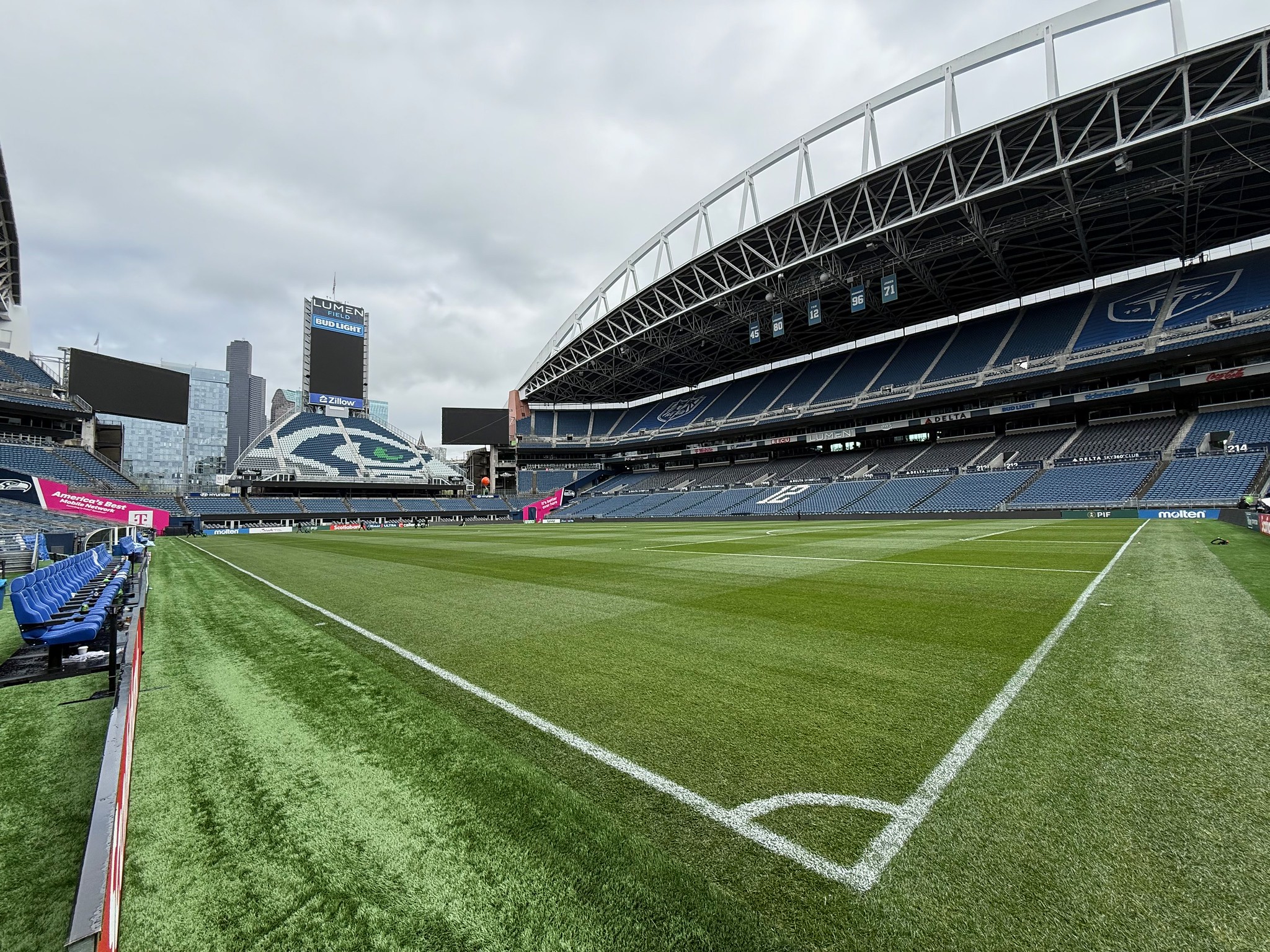
There is something quietly poetic about the image of real grass sitting inside Lumen Field this summer, especially with the Seattle Seahawks on the verge of a historic ownership change. The same stadium that has long been defined by its artificial FieldTurf CORE system was transformed, at least temporarily, into a natural surface capable of hosting the world’s best soccer players during the 2026 FIFA World Cup. And for fans who have watched the turf debate simmer for years, that temporary transformation felt like proof of something larger: real grass can thrive in Seattle’s loud, rainy, famously intense stadium. Into that moment steps Vinod Khosla, the Silicon Valley billionaire who has made a fortune backing things that grow — companies, technologies, ideas. Whether that portfolio will ever include the grass beneath the Seahawks’ feet remains an open question, and when Khosla was asked directly on X whether he’d swap Lumen Field’s artificial surface for the real thing, he didn’t exactly dive into the end zone. He punted. But it was a calculated punt, a deliberate decision to signal that he intends to be a hands-off owner, the kind of billionaire who trusts the football people to make football decisions, even something as seemingly simple as what grows under center.
The question carries more weight now than it ever has, because the 2026 World Cup essentially turned Lumen Field into a living laboratory. For weeks, the stadium’s management laid down natural sod, irrigated it, maintained it, and watched it hold up under international competition. Fans saw it with their own eyes. Players felt it with their own cleats. And if natural grass could work for the World Cup, many Seahawks fans and players have started asking, why not for the NFL season too? The answer, historically, has been about logistics, scheduling, weather, and the realities of a stadium that hosts concerts, events, and multiple teams. But the emotional argument has never been stronger. The NFL Players Association has long surveyed players on the topic, and the results are emphatic: roughly 92 percent of NFL players say they prefer natural grass over artificial turf, citing longer careers and maybe more importantly, fewer non-contact injuries. That’s not a minor preference. That’s a clear message from the people who put their bodies on the line every Sunday. And in Seattle’s own locker room, that message has found vocal champions. At the start of training camp, veteran Seahawks Cooper Kupp and Leonard Williams both went public with their support for transitioning Lumen Field to real grass. They didn’t just hint at it. They said it plainly, adding a layer of local urgency to a national conversation that has been bubbling for years.
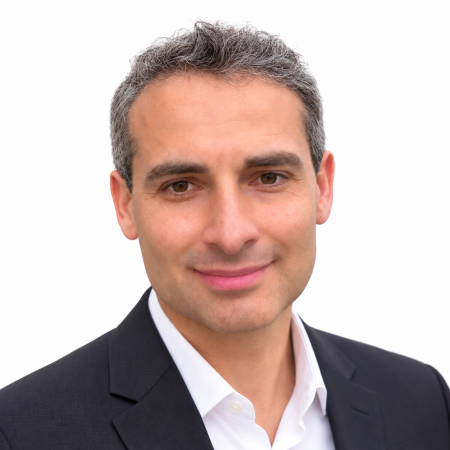
So when Khosla was asked about the turf situation, his answer was revealing in what it said about him as a prospective owner. He didn’t pretend to be a football operations expert. He didn’t claim to have a secret plan to rip up the turf and install a state-of-the-art grass system overnight. Instead, he made it clear that he intends to leave those kinds of decisions to the people he’s paying to run the Seahawks — the same front office, the same leadership group, that helped build a Super Bowl franchise and has kept the team competitive for the better part of two decades. In an era when some owners meddle, micromanage, and publicly second-guess their general managers and coaches, Khosla’s hands-off posture might feel refreshing or concerning, depending on how you look at it. For Seahawks fans who remember the stability of the past and fear what change might bring, it’s a sign that he recognizes the existing culture is worth preserving. For those who want to see the turf changed sooner rather than later, it means lobbying the front office, not the owner’s suite. But perhaps most importantly, his comments show a man who knows what he doesn’t know, and that kind of self-awareness is rare among billionaires who suddenly find themselves in the world of professional sports.
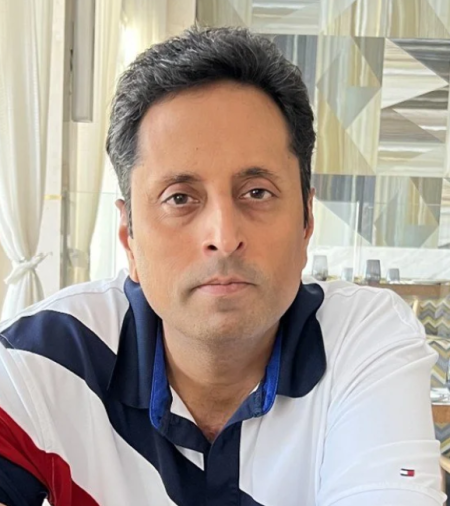
The bigger picture is still taking shape. On July 11, a group led by Khosla and his family agreed to buy the Seahawks from the estate of the late Microsoft co-founder Paul Allen, for a reported $9.6 billion. If approved, that would be the highest price ever paid for an NFL team, and it’s a number that makes the transaction feel less like a sports purchase and more like a tectonic shift in the sport’s financial landscape. The deal is structured carefully around family: Khosla’s wife, Neeru, would be the controlling owner, and his son, Neal, would take a key executive role. That kind of arrangement suggests the family intends to treat the franchise as a multigenerational asset, not a quick flip. Before the deal becomes official, NFL owners will vote on Aug. 26, right before the regular season begins. It’s expected to pass, but the formality still matters, because it will mark the formal arrival of a new era in Seattle sports. There’s a certain irony in all of this: Khosla, a longtime San Francisco 49ers fan and season ticket holder, is about to own the Seahawks, the 49ers’ fiercest NFC West rival. His family bought a 3.1 percent stake in the 49ers just last year, and they’ll now have to sell it because NFL rules prohibit cross-ownership of competing teams. For a man who has spent his career watching technology disrupt everything in its path, the idea of becoming the steward of a beloved, tradition-rich NFL franchise is a fascinating pivot.
In an appearance Monday on CNBC’s “Squawk Pod,” Khosla leaned into the romance of the moment. He called the Seahawks a “great franchise,” praised the 12s as “one of the best brands in the NFL,” and made it clear that buying the team wasn’t just another investment to be managed and optimized. It was, he said, a chance to diversify away from technology and do something “fun.” That word is striking, because so much of modern NFL ownership is about prestige, power, and profit. But Khosla framed it as an adventure, a shift in his portfolio and a shift in his life. He also offered a characteristically forward-looking reason for the purchase: live sports, he argued, will be one of the few areas insulated from the disruption that AI is unleashing on every other industry. No matter how good digital entertainment gets, no matter how many virtual worlds spring up, there will always be a demand for the real, visceral, shared experience of watching elite athletes compete in person. That’s a compelling thesis from a man who has spent his career funding AI, software, and startups that have upended entire industries. He’s essentially saying that sports is safe — a rare piece of bedrock in a world where everything else is shifting.
For Seahawks fans, the arrival of Khosla is about more than just a new signature on the ownership paperwork. It’s about what kind of steward he’ll be. The turf question is, in a way, a perfect metaphor for that uncertainty. Will he respect what makes Seattle’s stadium distinctive, or will he be tempted to modernize it beyond recognition? The fact that he immediately deferred to team management suggests a humble, respectful approach. But the fact that he also sees live sports as an “investment area per se” suggests he understands the financial power of a passionate fan base. What happens next will depend on how those two instincts balance out. In the meantime, the grass at Lumen Field is still real, at least for now, and that alone has given fans something to dream about. The World Cup proved it can be done. The players have made their voices heard. And the new owner has made it clear that he trusts the people who have been doing this long before he arrived. Maybe that’s the best anyone can hope for in a sale this monumental. Or maybe, just maybe, the new era will bring with it a more player-friendly, natural home for the Seahawks — one where the grass grows a little greener, and the team’s future feels a little more grounded.