





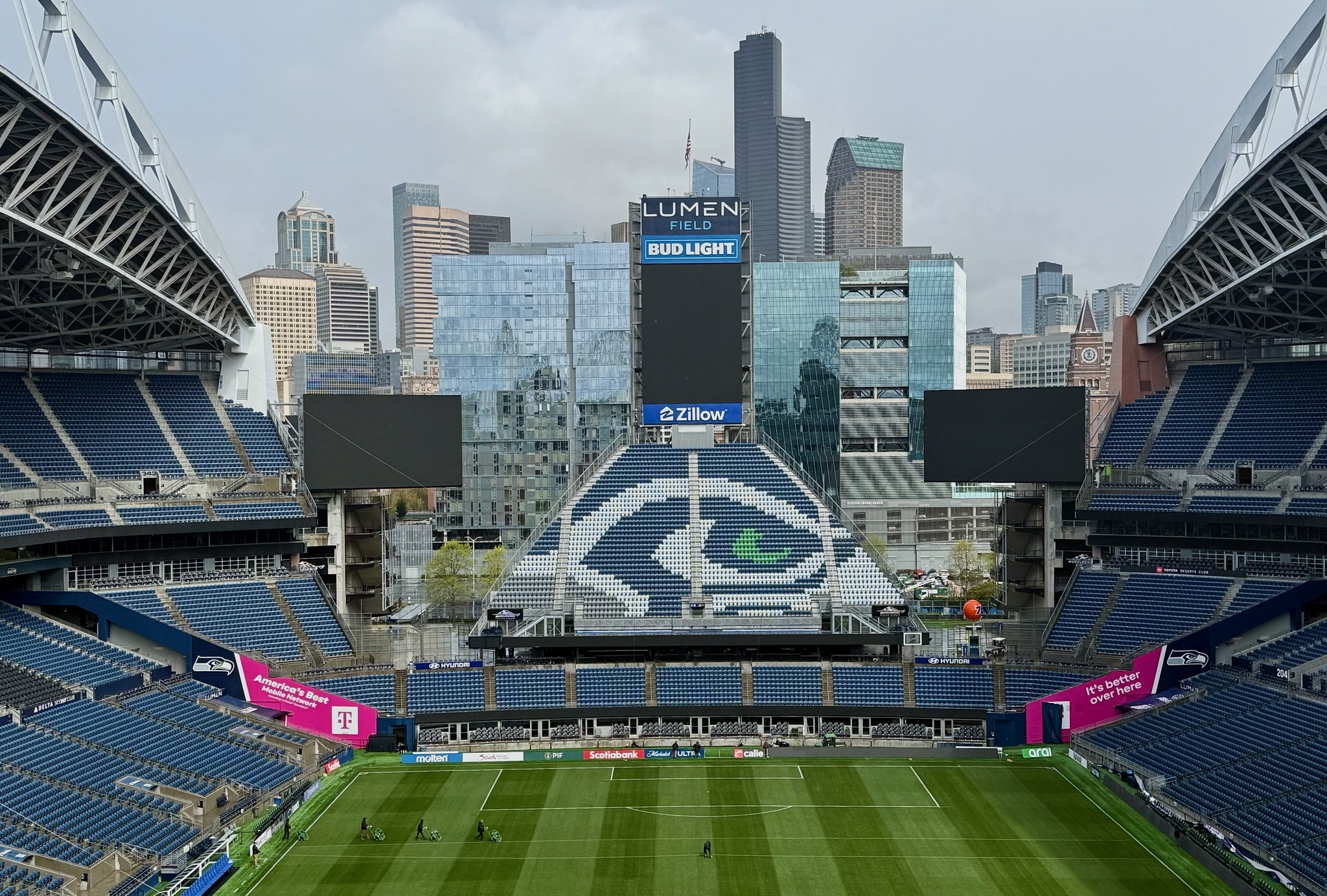
Lumen Field stands proudly in Seattle, its turf stained with the echoes of countless touchdowns and the roar of 12th Man chants—a true temple of American football where the Seattle Seahawks have built a dynasty under the watchful eye of the late Paul G. Allen, the Microsoft co-founder who poured his heart into owning this NFL powerhouse. Picture the stadium on a crisp autumn afternoon: fans bundled in green and blue, the air thick with the scent of hot dogs and anticipation, as the team battles for glory. Now, imagine a twist in this beloved saga—a potential shift in ownership that could redefine the franchise’s future. Recent whispers from insider reports hint at an intriguing bid from an unexpected duo: former Boston Celtics majority owner Wyc Grousbeck and billionaire investor Aditya Mittal, a man who straddles continents with his wealth and vision. It’s the kind of news that gets football aficionados buzzing, blending the grit of gridiron rivalries with the glamour of high-stakes business deals. Grousbeck and Mittal have reportedly submitted a letter of interest to the banking team managing the sale of the Paul G. Allen estate, setting off a chain reaction of speculation. Neither the Seahawks nor the pair offered comments, leaving fans to piece together the puzzle from scraps of information. This isn’t just about cold corporate numbers; it’s about legacy, passion, and the heartbeat of a city that lives for its team. As I think about it, owning a sports franchise feels like shepherding a living, breathing community—a dream for entrepreneurs who want to leave a mark beyond the balance sheet. The Seattle Seahawks aren’t just an investment; they’re a symbol of resilience, much like the Pacific Northwest’s maverick spirit. Paul Allen’s stewardship turned them into Super Bowl winners, and now, with his estate opening the gates to new owners, it’s as if the team’s soul is up for auction. But in Grousbeck and Mittal, there might be custodians who understand that balance between personal involvement and letting the pros do their thing. This bid feels human—a testament to ambition mixed with the love of the game, making me wonder if Grousbeck, with his Boston roots, and Mittal, with his global empire, could infuse Seattle sports with fresh energy, perhaps drawing parallels to how David Beckham’s forays into soccer ownership have electrified leagues worldwide.
Delving deeper into the bidders, Aditya Mittal emerges as a modern titan, a name that resonates in boardrooms from Mumbai to Manhattan. As CEO of ArcelorMittal, the Luxembourg-based behemoth in steel manufacturing, he’s no stranger to forging empires from raw material—quite literally. Mittal comes from one of India’s richest families, where wealth isn’t just inherited but built through vision and tenacity. Imagine growing up in a household where business deals unfold over lavish family dinners, blending tradition with innovation. His $1 billion investment in the Celtics in 2025—a pivotal play that helped secure the team for an eye-popping $6.1 billion—positions him as a savvy player in the sports arena. It’s not just about the money; Mittal seems drawn to the spectacle of sports as a universal language, one that transcends borders and cultures. Owning a franchise like the Seahawks could expand his portfolio into American football, a sport with global appeal if marketed right. People often see billionaires as aloof, pouring from their ivory towers, but Mittal’s track record paints a picture of someone who rolls up his sleeves. When I reflect on his Celtics involvement, it’s easy to see why he’s appealing: he invested deeply, not just financially but philosophically, viewing sports as a platform for inspiration. In a world of corporate acquisitions, his bid feels personal—a chance to blend his Indian heritage with Seattle’s rugged individualism. It’s a story of ambition that started in the steel mills and now aims for the stadium lights. Meanwhile, paired with Grousbeck, their partnership could mirror the dynamic duos of business legends like Gates and Buffett, bringing complementary strengths: Mittal’s global reach and Grousbeck’s domestic sports savvy. This isn’t merely a financial maneuver; it’s a human endeavor, where Mittal’s journey from family business scion to sports investor highlights how passions evolve. As the NFL opens up to international influences—think of the league’s growing fanbase in places like Europe and Asia—Mittal’s involvement could signal a new era, making the game more inclusive and exciting for everyone involved.
Then there’s Wyc Grousbeck, the Boston insider whose name is synonymous with Celtics pride. As the leader of the ownership group that acquired the green-and-white squad in 2002 for a mere $360 million, Grousbeck wasn’t just buying a team—he was stepping into a storied legacy that echoed through arenas like the old Boston Garden. Raised in a family of entrepreneurs, he learned early that success comes from curiosity and persistence, much like his ventures in sports and beyond. Boston’s heart is in its sports, and Grousbeck embodies that DNA: he’s been the steady hand on the tiller, guiding the Celtics through highs like the 2024 title and lows like rebuilding phases. Fans describe him as “present but hands-off,” meaning he shows up for the big moments without micromanaging, allowing coaches and players to thrive. It’s a style reminiscent of Paul Allen, who kept the Seahawks fan-focused while letting the game unfold organically. In my mind’s eye, I see Grousbeck as the affable uncle at a family barbecue—charismatic, supportive, and always ready with a story. His journey from buying the Celtics cheaply to potentially expanding into another sports world speaks to adaptability. Over the years, he’s negotiated deals, navigated controversies like roster changes, and celebrated victories that united a city. The emotional pull of ownership is palpable; it’s about more than wins and losses—it’s crafting memories that last generations. Pair him with Mittal, and you get a blend of local roots and international flair, potentially transforming the Seahawks into a franchise that bridges worlds. This bid isn’t corporate takeover; it’s personal investment, driven by love for the game and a desire to honor legacies like Allen’s. As I ponder Grousbeck’s path, it reminds me of all the underdog stories in sports, where smarts and heart triumph over sheer might. His Celtics tenure had its challenges, from player dramas to economic shifts, but his approach—building trust and community—could make him a fitting steward for Seattle’s beloved birds.
Amid the buzz, reactions from the fanbase offer a window into the human side of this potential sale. Seahawks enthusiasts aren’t just spectators; they’re passionate stewards of a tradition that pulses with civic pride. At least one fan site, 12th Man Rising, expressed optimism about the Grousbeck-Mittal duo, quoting Celtics expert Ben Handler, who praised Grousbeck as a owners who blends visibility with respect for autonomy. It’s like having a coach on the sidelines who cheers loudly but doesn’t call the plays—a parallel to the Allen family, where Paul and later Jody fostered a family-like atmosphere. The site’s commentary captures the essence: if the Hawks are to fly into new hands, this pair—with their deep pockets and ethos—might ensure a seamless transition, preserving the magic that makes Seattle football special. But fan reactions are multifaceted; some worry about outsiders altering the team’s soul, yearning for continuity over change. I can almost hear the debates in local sports bars: one group toasting the financial boost, another hesitant about losing that local touch. Humanity lies in these sentiments—the anxiety of change versus the hope for growth. Fan sites like this become virtual town halls, where opinions shape narratives. Handler’s endorsement underscores Grousbeck’s appeal, painting him as the ideal bridge between eras. Meanwhile, thoughts on Mittal add an exotic allure; could his international perspective innovate the NFL experience, perhaps through global marketing or cultural fusions? It’s a reminder that sports ownership isn’t just transactional; it’s emotional. Fans vote with their voices, influencing perceptions and sometimes deals. In this case, the optimism reflects a community ready for evolution, much like how cities adapt to new eras without losing identity. As I mull over these responses, it feels like witnessing a family reunion where newcomers are welcomed if they bring joy, not disruption.
Shifting gears to the broader context, the sale of the Seahawks is part of the Paul G. Allen estate’s grand unraveling—a poignant process of divesting a lifetime’s treasures for the greater good. Allen, the visionary who co-founded Microsoft and turned tech dreams into reality, amassed an empire that included sports, real estate, and philanthropy. His sudden passing left a void, but his will directed assets toward charitable causes, channeling billions toward education, conservation, and global betterment. Selling the Seahawks, valued at upwards of $7 billion, feels bittersweet; it’s letting go of a passion project to fund dreams beyond the game. Last season’s Super Bowl win added luster, making the team a crown jewel ripe for bidding. Imagine the estate trustees navigating this with care—balancing emotional ties to legacy with fiduciary duties—much like settling a patriarch’s affairs. Philanthropy is the guiding star, using proceeds to tackle world’s woes, from climate action to medical research. This humanizes the process; it’s not soulless profit but purposeful transition, echoing Allen’s own belief in using wealth for impact. Reports emerged in February signaling the sale, sparking a scramble for suitors who align with his ethos. In Seattle, the community holds its breath—the team is more than entertainment; it’s economic booster and emotional anchor. The valuation highlights the NFL’s soaring appeal post-pandemic, where digital streaming and global fans inflate worth. Yet, at its core, this is a story of generosity, where one man’s fortune empowers future generations. Reflecting on Allen’s journey from garage innovation to stadium lordship, his estate’s approach inspires: assets as tools for good. Fans mourn the end of an era but see the light of renewal, much like how legacies endure through altruistic acts. This sale narrative is woven with threads of gratitude—a nod to Allen’s foresight in ensuring his wealth’s ripple effect.
Finally, as other potential buyers surface, the plot thickens with tales of who might land the grand prize. A report months back floated names like Apple CEO Tim Cook and Meta founder Mark Zuckerberg, adding Hollywood flair to the drama. Both swiftly denied interest, asserting their plate-piling tech worlds had no room for gridiron ambitions. It’s a classic deflection, leaving room for wonder—what if they had pursued? Cook, the mastermind behind Apple’s sleek empire, could infuse innovation, perhaps with tech-enhanced fan experiences or virtual realities. Meanwhile, Zuckerberg’s social media wizardry might revolutionize engagement, turning games into interactive spectacles. Their denial humanizes them—busy moguls prioritizing empires over sidelines—yet fuels speculation in a climate where billionaires flirt with sports as status symbols. In contrast, Grousbeck and Mittal’s bid feels grounded, rooted in genuine sports stewardship rather than novelty. This highlights the NHL’s elite allure, drawing elites seeking relevance. As the bidding war looms, Seattle fans embody universal hopes: stability for the team they adore. The NFL’s landscape evolves with international interests, poised for global infusions. Ultimately, the outcome will redefine the Seahawks’ narrative, whether under these bidders or others. It’s a thrilling chapter, blending business intrigue with community dreams, where every twist reminds us sports ownership is a human tapestry of dreams, ambitions, and enduring passions. Reflecting on it all, this saga underscores how franchises transcend commerce, becoming vessels for collective joy and cultural pride. Whatever unfolds, one thing’s clear: the heart of the 12th Man beats on, awaiting its next champion.