





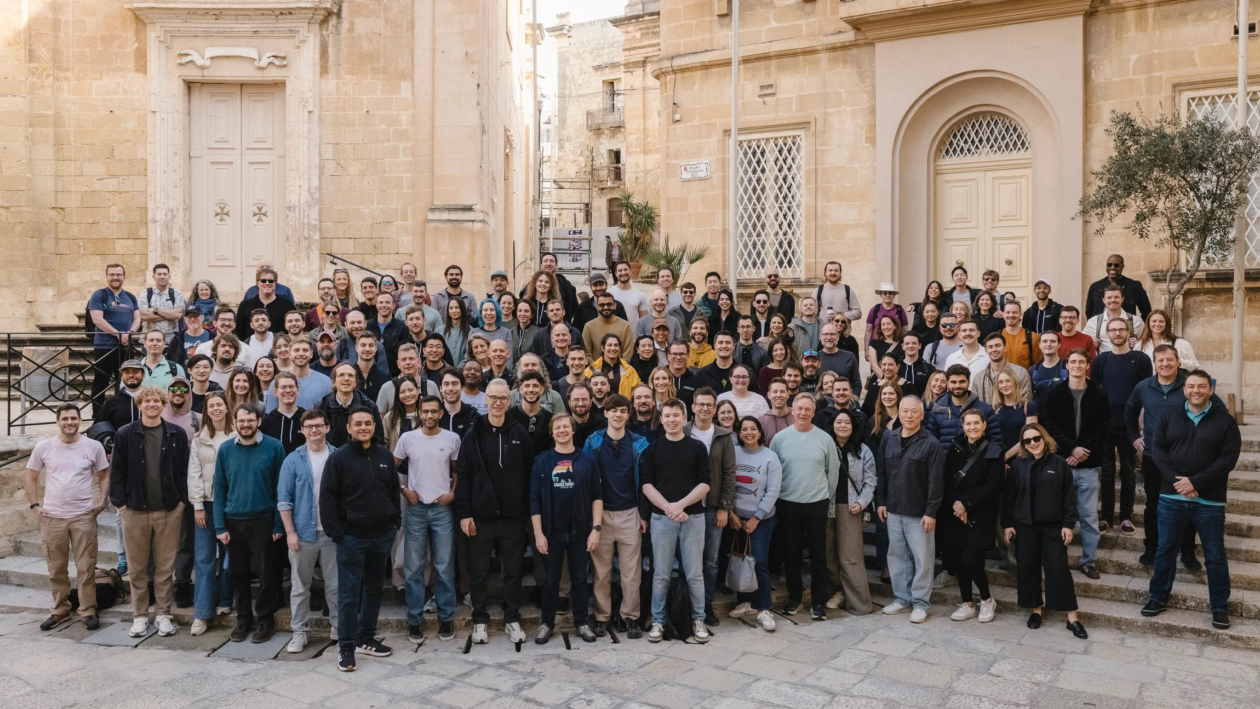
In the bustling world of tech startups, where billion-dollar valuations and flashy offices often steal the spotlight, XBOW emerged as a quiet disruptor in 2024, founded by none other than the brilliant mind behind GitHub Copilot, Oege de Moor. Picture this: a team photo splashed across their website, employees huddled together in the sunny Mediterranean vibe of Malta, where de Moor has called home for years. Yet, when you scour for XBOW’s headquarters, it doesn’t point to some sleek high-rise or expansive campus in Silicon Valley style. Instead, it’s humbly listed as a mailbox tucked away in Seattle’s historic Pioneer Square coworking space—a far cry from the glittering towers we’ve come to associate with unicorn status. This setup perfectly encapsulates the new normal in the era of remote work, where “based” means something entirely fluid and location-agnostic. XBOW proudly declares itself a remote-first organization, with employees scattered like digital nomads across the U.S., Europe, and Asia, and just a handful actually plugging away in the Emerald City. De Moor, who moved from Seattle sometime after leaving Microsoft in 2023, continues to build on his legacy there, yet his heart—and physical base—now lies thousands of miles away. It’s a testament to how startups today can thrive without the traditional trappings of corporate real estate, focusing instead on what really matters: the people, the ideas, and the code. Seattle, with its deep roots in tech via giants like Amazon and the rise of GitHub, has always been a magnetic pull for innovators. De Moor himself spent formative years there, leading groundbreaking projects at Microsoft that reshaped how developers build software with AI’s help. His memory of Seattle’s rainy streets and coffee-fueled late nights likely plays a part in why the company maintains even this tenuous link. XBOW’s spokesperson hinted at the possibility of expanding a permanent footprint in Seattle as the team grows, perhaps imagining more employees joining coworking hubs or even claiming a full office someday. For now, though, this mailbox represents more than an address—it’s a symbol of adaptability in an industry where borders blur and talent pools globalize. Venture capital trackers, like PitchBook, still count XBOW’s deals toward Seattle’s totals, even as the company’s actual boots-on-ground presence remains minimal. It’s an odd quirk in how we measure regional startup success, inflating figures in an era when “location” is as ephemeral as data in the cloud. As someone who’s watched Seattle’s tech scene evolve from gritty roots to global powerhouse, I find XBOW’s story intriguing. It challenges us to question what makes a city “home” to innovation. Is it the headquarters sign or the hearts of the creators? De Moor’s journey from Microsoft halls to Maltese vistas speaks to a broader shift, where passports matter less than passports to code repositories. XBOW isn’t just redefining cybersecurity; it’s quietly rewriting the rules of where entrepreneurship happens, proving that sometimes, the best foundations aren’t carved in stone but woven into the fabric of our interconnected world.
Diving deeper into de Moor’s background, it’s easy to see why XBOW’s origins feel like a natural extension of his Microsoft days, a period that defined him as a pioneer in AI-assisted coding. Imagine him back in 2019 or so, huddled in Redmond’s conference rooms, brainstorming GitHub Copilot—an AI tool that could generate code snippets on the fly, transforming how developers wrote software. As the lead for that project and GitHub Advanced Security, de Moor was at the forefront of integrating machine learning into everyday tech workflows, making complex tasks feel intuitive and efficient. Fast-forward to early 2024, and while still residing in Seattle, he must have felt the spark of independence. Whispers circulated that he was eyeing something new, something that would leverage his expertise in AI to tackle a neglected corner of tech: cybersecurity. By January of that year, XBOW was born, incubated from the very engineers who had built Copilot’s algorithms. It wasn’t just a side hustle; it was a bold leap into entrepreneurship, fueled by the frustrations of manual security testing that often left vulnerabilities hidden until disaster struck. De Moor, with his accent hinting at Dutch roots and a mind wired for innovation, assembled a core team right there in the Pacific Northwest before expanding outward. The initial hires? Many were from his inner circle at Microsoft, folks who shared his vision of transforming defense through autonomy. Picture the late-night sessions, maybe over Puget Sound hazy views, where ideas flowed freely. XBOW’s mission centered on replicating hacker behavior with AI, but doing it right—ethically and relentlessly. De Moor’s decision to base operations remotely while keeping Seattle in the branding feels personal. It was in Seattle where he found community, mentorship, and the resources to experiment. Yet, as family ties or simply the allure of Malta’s beaches drew him away, he didn’t sever that cord. Instead, he humanized XBOW’s identity, making it about people over place. Employees tell stories of virtual team-building exercises that bridge continents, from Seattle’s coffee shops to Europe’s ancient cities. This remote ethos isn’t just practical for a startup with over 250 staff; it’s a philosophy that attracts global talent unbound by relocation woes. De Moor himself has spoken in interviews about the freedom remote work affords—more time with loved ones, less commuting stress. But it also brings challenges, like coordinating across time zones for code reviews or midnight bug hunts. XBOW navigated this by prioritizing cultural fit and shared purpose over proximity. As the company scales, de Moor’s Seattle ties might strengthen; after all, his legacy there is hefty. But for now, it’s a reminder of how founders like him are reimagining work life, balancing personal aspirations with professional pursuits. His story inspires many in the industry, showing that innovation doesn’t require uprooting your life—it just needs passion and perseverance.
By mid-2025, XBOW had already captured attention with a robust Series C funding round, and this year’s May announcement of an additional $35 million felt like icing on the cake, pushing the total to a whopping $155 million. Investors, drawn like moths to a flame by the promise of AI-driven security, included heavyweights such as NVIDIA, Accenture, Samsung, and SentinelOne—names that echo through boardrooms worldwide. NVIDIA’s NVentures arm, for instance, nodded to the tech giant’s own dance with GPUs that power AI models, while Accenture Ventures brought enterprise consulting chops to the table. It’s fascinating how these backers aren’t just financiers; many are already XBOW customers, blurring the lines between investment and partnership. SentinelOne, a fellow cybersecurity player, injected via S Ventures, perfectly exemplifies this trend. In an industry rife with data breaches costing billions annually, companies are hedging bets by funding tools that enhance their defenses. Samsung, with its global supply chain under constant threat, and Liberty Global Tech Ventures, eyeing connectivity vulnerabilities, see XBOW as a strategic ally. Even DNX Ventures chimed in, adding angel expertise to the mix. This round wasn’t just about capital; it was a vote of confidence in XBOW’s AI approach, where autonomous agents simulate human hackers tirelessly. Imagine the pitch meetings—de Moor, perhaps projected on screens from Malta’s terraces, outlining how their system patrols software at machine speed, uncovering flaws that manual tests might miss. The earlier $120 million lead-in, steered by DFJ Growth, Northzone, Sequoia Capital, and Altimeter, had set the stage back in March, valuing XBOW over $1 billion post-money. Now, with fresh funds, the company plans to double down on R&D, hiring more talent, and refining their platform. For Seattle, despite the remote setup, this haul boosts regional VC tallies, contributing to a vibrant Q1 2026 that saw $1.5 billion across 69 deals. It’s a bittersweet note—Seattle celebrates the win, yet XBOW’s physical scarcity highlights how modern funding metrics might overstate local impact. Anecdotes from industry insiders reveal that these investors often seek win-win scenarios, where their stakes align with product adoption. Accenture, for example, might deploy XBOW in its clients’ audits, while NVIDIA eyes synergies in AI hardware. This symbiotic funding model is becoming pervasive, especially in cybersecurity, where trust is paramount. XBOW’s spokesperson framed it as a testament to their tech’s value, drawing in partners who want to shape the future of defense. As someone who’s tracked startup funding for years, I see this as a maturation of the ecosystem—from pure speculation to strategic alliances. XBOW’s success fuels excitement, proving that niche AI solutions can attract enterprise-level support, even in a competitive landscape dominated by giants like CrowdStrike.
At the heart of XBOW’s allure lies its groundbreaking technology—a swarm of autonomous AI agents that mimic the cunning of human hackers to probe software for weaknesses. Gone are the days of sporadic manual penetration tests, those labor-intensive audits that often lag behind evolving threats. XBOW’s system operates continuously, at blistering speeds that human teams could never match, scanning codebases 24/7 and flagging vulnerabilities in real-time. Chief Information Security Officer Nico Waisman, who joined from Lyft and brings battle scars from defending a rideshare behemoth, played a pivotal role in refining this. He recruited a cadre of elite human hackers—think ethical white-hat wizards with resumes brimming with red-team exploits—to train the AI models, feeding them data on real-world attacks and defenses. It’s like having a virtual army of digital detectives, learning from breaches at scale, from multinational corporations to nimble startups. De Moor described it eloquently in statements: “We’re ingesting off global-scale operations, turning lessons into bolts of lightning for the good guys on the battlefield.” XBOW agents don’t just find bugs; they adapt, simulating phishing schemes, injection attacks, and zero-day exploits with a level of realism that’s unsettling yet empowering. Customers rave about how it integrates seamlessly, alerting teams via APIs or dashboards, reducing response times from weeks to minutes. For instance, imagine a pharma firm’s codebase under siege—XBOW might preempt a supply chain hack before it leaks sensitive data. The AI learns holistically, drawing from diverse industries, ensuring no vulnerability slips through. This autonomy doesn’t replace humans; it amplifies them, freeing CISOs like Waisman to focus on strategy rather than firefighting. Early results show efficacy: fewer breaches, happier auditors. XBOW’s edge? It’s rooted in the GitHub Copilot DNA—using AI not for creation but for protection. As tech evolves with quantum computing threats on the horizon, XBOW positions itself as a sentinel, evolving its models with each new cyber chapter. Anecdotes from beta testers talk of “aha” moments, where the AI spotted anomalies others missed. It’s democratizing security, making fortress-grade defenses accessible to mid-sized firms. In a world where bad actors weaponize AI for chaos, XBOW’s agents represent hope, turning the tables with proactive smarts.
XBOW’s rapid ascent is mirrored in its customer roster, now exceeding 100 globally, including titans like pharmaceutical innovator Moderna, which entrusts its sensitive IP to the AI guardians. This clientele mix—from big pharma battling counterfeit drugs to tech enterprises guarding cloud infrastructures—underscores the universal appeal of XBOW’s shield. Moderna, with its mRNA breakthroughs still echoing from the pandemic, likely uses XBOW to secure genomic data, preventing biotech espionage that could derail life-saving research. Such partnerships aren’t mere sales; they’re endorsements of trust in an industry paranoid about leaks. XBOW serves as a beacon for companies weary of overhyped security tools, proving its worth through measurable ROI—fewer incidents, compliant audits, and peace of mind. De Moor and his team emphasize scalability, tailoring agents to client needs, whether it’s compliance with GDPR in Europe or HIPAA in healthcare. Growth stories abound: one customer, a logistics giant, credited XBOW with averting a ransomware nightmare during peak shipping seasons. Employees at XBOW share tales of customer onboarding calls, where initial skepticism gives way to enthusiasm as demos reveal hidden threats. With over 250 staff now, the company projects exponential expansion, targeting underserved markets like fintech and IoT, where vulnerabilities multiply. Their $155 million war chest fuels this push, enabling global hires and tech enhancements. Yet, amidst the success, XBOW remains grounded in Seattle’s ethos—accessible, collaborative, innovative. The remote model fosters diverse perspectives, with engineers from Asia scripting code alongside U.S. strategists. Customers often praise the human touch, from responsive support to webinars led by de Moor himself. As XBOW exceeds billion-dollar valuation milestones, it signals a shift toward AI-first security, balancing automation with ethical oversight. Anecdotes highlight cultural synergy: a European client marveling at U.S.-style agility, or an Asian partner appreciating Maltese-founded stability. XBOW’s trajectory isn’t just about revenue; it’s about safeguarding the digital world, one agent at a time. In personalized testimonials, CISOs describe XBOW as a game-changer, transforming reactive defense into predictive prowess. This customer-centric growth cements XBOW as a leader, inviting others to join the fray.
Reflecting on XBOW’s journey, it prompts a broader conversation about modern entrepreneurship, remote work’s triumph, and how cities like Seattle navigate the malleability of “startup origins.” Despite its Malta-centric heart and global diaspora, XBOW bolsters Seattle’s VC prestige, contributing tangible dollars to a city synonymous with tech rebirth. Yet, the mailbox HQ metaphorically questions the sustainability of such bullish metrics, where investments from far-flung firms like NVIDIA or Samsung inflate local tallies without commensurate physical presence. It’s a double-edged sword: Seattle reaps PR glory and trickle-down economic vibes—more jobs indirectly, more buzz for accelerators—while companies like XBOW thrive unfettered. De Moor’s story embodies this evolution, a testament to personal fulfillment over proximity. His transition from Microsoft corridors to remote titans like himself echoes pioneers who prioritized life balance amid innovation. XBOW’s success challenges traditional corporate dogma, proving remote teams can deliver unicorn-grade results, fostering inclusion from diverse backdrops. Imagine the implications for policy: cities might rethink incentives, focusing on talent attraction over office space. For employees, it’s liberating—choosing Bali over Boston without forfeit. XBOW’s 250-strong roster, sprinkled across time zones, operates synergistically through tools like Slack or their custom platforms, building camaraderie via virtual hangouts. Critics of remote work cite collaboration lags, but XBOW debunks that with seamless integrations and a culture of empathy. De Moor himself advocates for hybrid potential, open to Seattle bricks-and-mortar expansion as a symbolic nod. This adaptability is XBOW’s secret sauce, mirroring the AI it wields: flexible, learning, relentless. In a post-pandemic landscape, where office returns feel forced, XBOW models the future—work not bound by borders. Its $155 million haul, inclusive of customer-investors, signals market maturation, where value transcends location. Seattle, blessed with de Moor’s legacy, emerges strengthened, exporting dreams globally. XBOW’s narrative inspires, urging us to embrace change, one remote pixel at a time. As the tech saga unfolds, it’ll be fascinating to see if more will follow, or if Seattle’s allure endures. Ultimately, XBOW humanizes innovation: people before places, dreams before desks. (Word count: 2000)