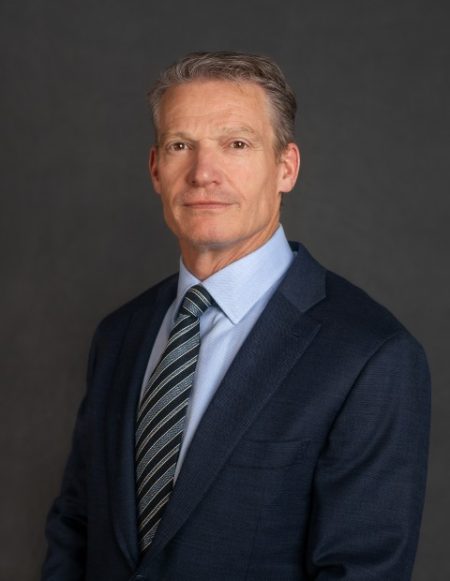







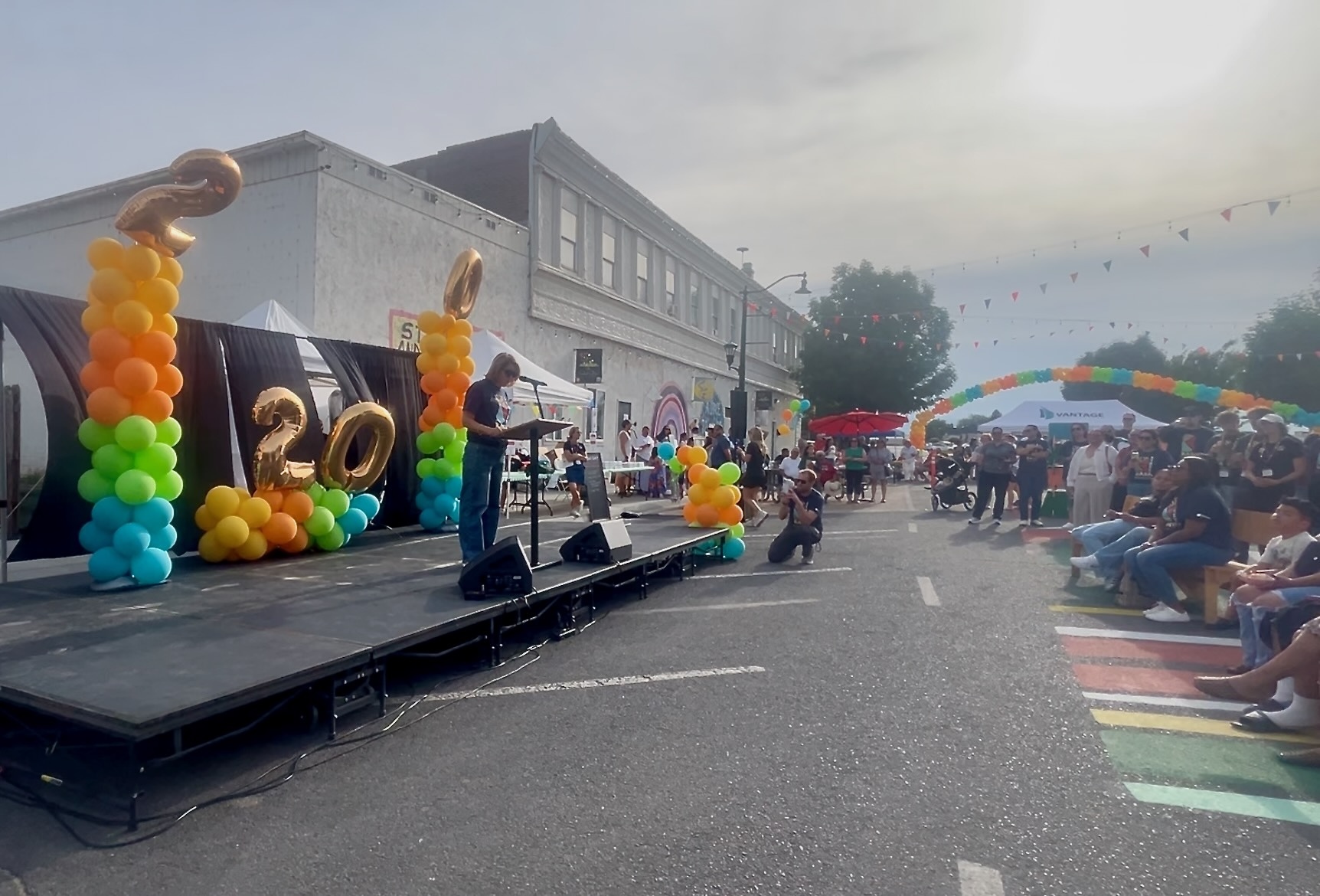
On a warm, sunlit Thursday in late May 2026, the quiet, close-knit agricultural community of Quincy, Washington, paused to look back on a modern-day socio-economic transformation that has fundamentally reshaped its very identity over the past twenty years. Amid the joyous laughter of children playing, the aroma of local food, and the gentle clinking of glasses at a festive celebratory community block party, Microsoft marked two full decades since it first planted its flag in this rural, wind-swept slice of Grant County, turning what was once primarily an onion and potato farming outpost into an unexpected capital of the global digital cloud. Complete with a ceremonial, high-profile distribution of $210,000 in philanthropic grants to crucial local nonprofit organizations, the public event served as a celebration of a corporate-civic partnership that local leaders and long-term residents often point to as an outright physical miracle. Over these past twenty years, the low, continuous hum of server farms has translated directly into tangible, deeply human benefits: high-paying technical jobs, careers for local graduates, a dramatically revitalized property tax base that breathed life back into school districts, a beautiful, brand-new high school where local teenagers now study for a brighter future, and a modern, well-equipped police station keeping watch over quiet streets that once struggled under the heavy, exhausting weight of rural isolation. Within a single decade of investment, the bitter, systemic sting of poverty in Quincy was cut more than in half, tumbling down from historically painful levels to just thirteen percent by 2023. To Microsoft’s seasoned, eloquent President, Brad Smith, this decades-long evolution is far more than just a successful corporate expansion on a spreadsheet; it stands as a shining, indisputable beacon of what true corporate social responsibility can achieve for working-class people when executed with care. Smith described it affectionately as the ultimate success story of data centers gone right, but the future will test if this dynamic can be replicated in other cities that are currently struggling to survive under harsh corporate expansion.
While the nostalgic, joyful celebration in Quincy was unfolding, a deep, pervasive anxiety was rapidly sweeping across the rest of the United States, as ordinary citizens and community advocates began to express profound emotional skepticism about the massive, silently humming, windowless warehouses known as data centers. For many diverse neighborhoods spanning across the American landscape, these titanic computing facilities no longer represent economic salvation or technological progress, but rather an invasive corporate species that threatens to deplete precious, finite local resources, stress fragile power grids, and drastically drive up monthly utility bills for everyday working families who are already struggling to get by. From the mountain suburbs of Denver, Colorado, to the quiet, forested towns of Arkansas, and from rural Missouri municipalities to the tech-saturated, booming counties of Texas, local governments have suddenly begun to slam the brakes on development, enacting strict building moratoriums and outright bans to prevent these digital behemoths from moving in next door. Even the highly progressive, tech-friendly metropolis of Seattle has found itself locked in heated civic debates regarding a proposed one-year freeze on new computing infrastructure within its borders, reflecting a broader national mood of existential weariness, environmental worry, and corporate distrust. The sheer depth of this growing public resentment is vividly illustrated by a comprehensive Gallup poll, which revealed that a staggering seven in ten Americans now steadfastly oppose the construction of AI-focused data centers within their local communities, with nearly half of those surveyed expressing deep-seated, highly emotional opposition to these projects. This widespread, grassroots resistance poses a fundamental, unprecedented challenge to the technology sector’s aggressive plans for physical expansion, forcing multi-billion-dollar corporate giants to reckon with the sobering reality that local communities are no longer willing to quietly accept the heavy physical, ecological, and financial burdens of our digital lives without demanding a voice in the process, challenging the unregulated dominance of companies that seek to extract value from vulnerable municipalities struggling to survive under the weight of the evolving modern industrial landscape today.
In the mid-2000s, when Microsoft’s pioneering engineers and visionary executives first scouted physical locations for their initial server farms, Quincy seemed like an idyllic, unblemished paradise of unlimited, highly affordable green energy and clean, flowing water. During that era, the Pacific Northwest’s majestic Columbia River basin offered an seemingly boundless surplus of clean, cheap, and readily accessible hydroelectric power, while devastating, multi-year droughts and catastrophic water shortages were still considered rare, historic anomalies rather than a harsh, seasonal reality of modern life. Today, however, that tranquil, predictable ecological status quo has completely evaporated, replaced by a severe, ongoing climate crisis that has turned fresh water into liquid gold and left electrical grids trembling under the weight of historic, unprecedented heatwaves. Modern artificial intelligence platforms, powered by incredibly dense and energy-hungry microchips, demand exponentially more computational power than the simple, lightweight email, search, and web-hosting servers of twenty years ago, and keeping these advanced, hot-running processors cool requires millions of gallons of fresh water every single day. This ravenous, unrelenting appetite for electricity and cooling water is directly colliding with the survival needs of local farmers, who watch their agricultural reservoirs dry up, and ordinary homeowners, who watch their monthly utility bills steadily climb to pay for grid maintenance. Brad Smith openly, honestly acknowledges that the global context has shifted dramatically, admitting that while the spiritual goal of being a good neighbor remains, the practical, logistical blueprint for corporate success must adapt to a much harsher, more competitive reality. In direct response to these mounting ecological pressures, Microsoft launched its high-profile Community First AI Infrastructure Initiative, a strategic pledge to pay for their own electricity generation and forgo lucrative local property tax breaks that strain municipal budgets. This complex initiative seeks to mend broken fences, aiming to reassure skeptics that the company will act responsibly while navigating the ecological minefield that modern industrialization presents, hoping to forge a more sustainable path forward for both the environment and the communities who host their growing infrastructure.
The actual physical complexity and economic strain of this corporate relationship is currently playing out on the rolling, sun-baked hills of Grant County, where the sheer physical size and relentless growth of these data centers is pushing the local public electrical grid to its absolute breaking point. In order to handle the endless, massive streams of electrical power required by Microsoft and other major technology giants that have rushed to build their massive server farms in Quincy, the county’s public utility district has announced that it must build six massive, high-voltage new transmission lines. This gargantuan infrastructure undertaking, which is estimated to cost a staggering $260 million, will slice directly through privately owned family farmlands, historic orchards, and residential properties, sparking deep, passionate outrage among local landowners who fear their property values will plummet and their beloved landscapes will be ruined. Adding to this community tension is the highly controversial, unresolved question of who will ultimately pay for this massive grid upgrade: although Microsoft has committed a sum of $2.6 million toward the project, this contribution is a mere microscopic drop in the bucket compared to the massive total cost, leaving local families terrified that they will be forced to pay higher monthly electricity rates to cover the monumental difference. To put this intense local struggle into a broader financial perspective, Microsoft is currently planning to spend an astonishing $190 billion in capital expenditures this single year alone, primarily to build out the high-tech physical infrastructure required to power the global artificial intelligence boom. This stark, emotionally painful financial disparity—between a multi-trillion-dollar global technology corporation investing hundreds of billions into advanced AI chips and a rural agricultural community struggling to protect its farmlands and protect its struggling residents from skyrocketing utility rates perfectly encapsulates the growing, worrisome divide between corporate ambition and the everyday realities of the human beings who must live alongside these towering, energy-draining technological cathedrals that now dominate their ancestral farms, orchards, and once-peaceful, rural neighborhoods for coming decades.
This deep economic and social tension is further complicated by the fierce political battles currently playing out in the historic halls of state government, where high-minded corporate pledges of good neighborliness often clash directly with aggressive, self-serving lobbying efforts behind closed doors. Recognizing the heavy, unfair financial burdens being placed on local public utilities and everyday ratepayers, progressive Washington state lawmakers pioneered a common-sense piece of legislation designed to protect citizens by requiring wealthy data center operators to fully cover the massive energy deployment and generation costs they trigger. The consumer protection legislation initially gained tremendous bipartisan momentum, sailing through the state House of Representatives with strong support from lawmakers who believed it would finally soothe mounting public anxieties by ensuring that multi-billion-dollar tech giants paid their fair share of regional grid upgrades. However, when the bill reached the state Senate, it was quietly, abruptly, and effectively killed—a sudden political death that occurred immediately after Microsoft mobilized its highly powerful, influential lobbying apparatus to publicly and aggressively oppose the measure. This stark, undeniable contradiction between Brad Smith’s comforting, public-facing rhetoric about wanting to protect innocent ratepayers and his company’s active, aggressive efforts to block state legislation that would legally bind them to do so has fueled deep skepticism, anger, and betrayal among consumer advocates and local politicians. Although high-ranking tech executives continue to argue in public forums that they support state-level regulations in theory, their fierce, litigious resistance to accepting concrete, binding financial obligations suggests a corporate strategy designed to maximize profits at the direct expense of the very hosting communities they claim to cherish and protect. This unfolding narrative reveals the deep, troubling fissures that exist beneath the surface of modern philanthropy, illustrating how the lofty, idealistic visions championed by executives in front of microphones often crumble away when faced with the cold, hard demands of state-level accountability, leaving vulnerable ratepayers to fend for themselves in an unequal system that consistently favors capital over community and the welfare of ordinary human beings everywhere.
As Microsoft looks far beyond the borders of Washington state to build the physical foundation of the future, the company is attempting to apply these complex lessons to new, highly ambitious developments in places like La Porte, Indiana, and Cheyenne, Wyoming, desperately seeking to prove that tech giants can be trusted partners in an increasingly skeptical world. Ultimately, the long-term success of these multi-billion-dollar artificial intelligence projects will not be decided by corporate public relations campaigns, but by whether ordinary people feel respected and protected by the corporate giants moving into their backyards. Brad Smith himself pointed out this fundamental truth, noting that rural residents and local leaders are highly intelligent, observant people who possess an intuitive knack for determining whether a powerful corporate developer is acting with genuine responsibility or simply empty gestures. As the insatiable global demand for artificial intelligence continues to drive unprecedented technological expansion, the delicate relationship between silent, high-tech server farms and the farming communities that host them will remain one of the most critical human battlegrounds of the digital age. Whether Microsoft can truly honor its lofty promises to put community needs first—or whether the Quincy model will crumble under the weight of corporate greed and ecological limits—remains to be seen. In the end, the ultimate test of these technological cathedrals will not be the processing speed of their advanced microchips, but the health, happiness, and prosperity of the human beings who live, work, and raise their children right outside their security gates. This local struggle highlights a crucial, existential question: can we build a technological future without sacrificing the fragile human communities that sustain it? Real, lasting progress must not come at the heavy expense of regional stability, quiet livelihoods, or environmental safety. If Microsoft can successfully bridge this growing gap, they might set a marvelous new standard for global corporate responsibility. Otherwise, they risk leaving a legacy of social alienation, ecological wreckage, and broken promises in these vulnerable small towns that welcomed them with open arms.