




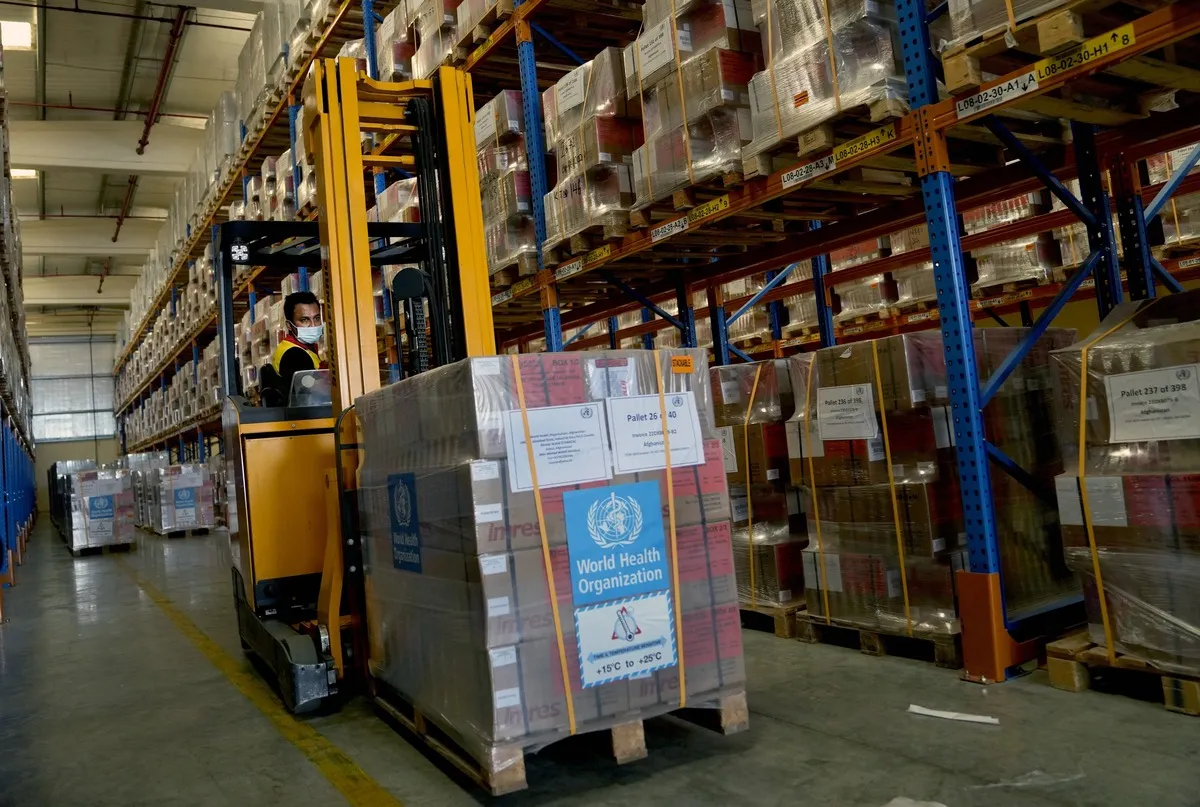
Dubai, that shimmering jewel of the Arabian Gulf, pulses with the energy of endless possibilities—towering skyscrapers piercing the sky, luxury shopping malls sprawling like modern oases, and a tax haven that draws expats from around the globe chasing dreams of wealth and glamour. Yet beneath this veneer of opulence lies a lesser-known heart: a “humanitarian city” that serves as ground zero for global compassion, hosting the world’s largest logistics center for aid agencies. Picture bustling warehouses crammed with pallets of lifesaving goods, coordinated by nearly 200 national Red Cross and Red Crescent Societies, funneling food, medicine, and essentials to the world’s forgotten corners—from the parched deserts of Somalia to the war-torn streets of Sudan and beyond. This coastal metropolis, with its sprawling airports and ready access to international shipping routes, has become an indispensable gateway for aid flowing to the most desperate regions. But in the shadow of ongoing crises, Dubai’s role as a beacon of hope has been tested like never before, revealing the fragility of human kindness in a world fueled by conflict and geopolitics.
The fuse of this humanitarian crisis was lit in late February when the Iran-U.S. war erupted, sealing off the critical Strait of Hormuz for over eight weeks. This narrow chokepoint, a bustling artery for one-fifth of the world’s oil and a lifeline for global trade, became a battleground, with blockages enforced by Iranian forces and U.S. sanctions tightening the noose. Aid organizations, including the mighty International Federation of Red Cross and Red Crescent Societies, found themselves paralyzed, their shipments of critical supplies—antibiotics, vaccines, and emergency rations—stuck in limbo. In a previous year, such logistics hummed efficiently; now, delays have left medicine rotting away while thousands in need suffer in silence. Imagine a mother in Sudan’s dusty clinics, watching her child’s fever spike unchecked because a box of basic drugs sat idle on Dubai’s shelves, or families in the Horn of Africa going hungry as food aid languishes in transit. Tommaso Della Longa, a spokesperson for the Red Cross, poignantly captured the anguish: “We are in that nightmare situation where budgets are shrinking, prices are rising. In the middle, we have to take decisions on how to best use the scarce resources we have.” This isn’t just statistics; it’s the heartbreak of frontline workers forced to ration hope, deciding who lives or dies amid dwindling stocks.
To sidestep the naval blockade, aid groups have resorted to costly detours—overland truck convoys snaking through volatile terrains, or pricier airlifts bypassing the straits entirely. The International Rescue Committee, for instance, had medical supplies worth $130,000 meant for 20,000 Sudanese war victims languishing in Dubai for two agonizing months. When they finally reached Port Sudan, the shipment’s arrival by air came with a hefty bill, highlighting the cruel economics of compassion. Similarly, a paste-like ready-to-use therapeutic food (RUTF), designed to combat malnutrition in small children, was delayed en route to Somalia, where it could have nourished 1,000 vulnerable kids. Save The Children’s $500,000 medical shipment for northern Sudan also sat gathering dust for weeks, prompting Willem Zuidema, their supply chain overseer, to voice frustration at the human toll. These stories underscore the personal stakes: aid workers burning out from the stress, families counting the days until help arrives, and communities feeling the sting of abandonment in an already shattered world.
The financial strain amplifies this humanitarian quagmire, with shipping costs skyrocketing in absurd proportions. The Red Cross reports sea transport prices tripling on some routes, while air deliveries surged by 70%, fueled by soaring jet fuel and overwhelmed demand. Overland journeys aren’t spared either—truck drivers enduring checkpoints and clogged highways, their diesel bills climbing as the world’s fuel costs inflate from the blockages. Willem Zuidema of Save The Children illustrates the absurdity: transporting a single container by land to Jeddah and then across to Port Sudan costs 65% more than the old seam route. In east Africa and beyond, costs for aid missions have spiked 30% in Somalia and Kenya, and a harrowing 50% in northeastern Nigeria, where villages gripped by Boko Haram violence rely on portable clinics. The International Rescue Committee’s Ciarán Donnelly warns of the deadly consequences: “For children struck down by diarrhea, even waiting one or two days more for urgent care can be the difference between living and dying.” This isn’t mere inflation; it’s a barrier to empathy, where the price of saving a life becomes unaffordable, and exhausted Teams must cut back on vital visits, leaving isolated families to fend for themselves in the face of relentless suffering.
Beyond the immediate aid shortfalls, the blockades have unleashed a slow-burning famine through disrupted fertilizer shipments, which once flowed freely through the strait—a third of the world’s seaborne stocks originating from Middle Eastern producers. Farmers in sub-Saharan Africa, in places like the Sahel region, are planting crops with scant nutrients, sealing their fate of meager harvests this season. Ciarán Donnelly paints a bleak picture: “Millions more people will now not have enough food to eat in the coming months, on top of the estimated 39 million already facing emergency hunger.” This isn’t just about empty stomachs; it’s about the unraveling of futures—women turning to desperate means like prostitution to feed their kids, children dropping out of school to work, and parents starving themselves for their offspring. The knock-on effects linger long after any truce, Donnelly notes: “This impact can be mitigated through action now, but it can’t be reversed.” These aren’t distant headlines; they are the lived realities of fathers toiling under the sun with hands blistered and crops wilting, mothers whispering lullabies to babies whose tiny frames mirror neglect, and communities rallying in fragile solidarity against an invisible enemy of hunger.
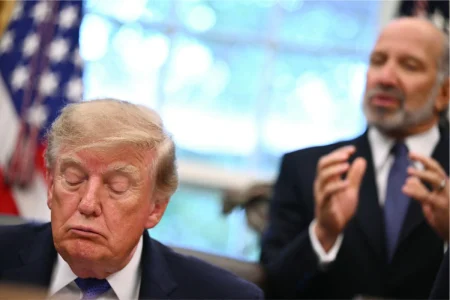
Even before this latest upheaval, aid agencies were reeling from slashed budgets as major donors turned inward, prioritizing defense over development. The U.S., under President Donald Trump’s dismantling of USAID last year, snuffed out a beacon of global aid, leading to warnings of over 14 million avoidable deaths by 2030, including a heartbreaking toll on children under five. Oxfam America echoes the dread, predicting millions of preventable fatalities annually. Tommaso Della Longa laments the systemic bleed: “The humanitarian budget has been heavily, heavily, heavily impacted across the board.” Willem Zuidema adds grimly, “There are no buffers in the system anymore.” As President Trump hints at a potential Iran deal to reopen the strait, the damage demands urgent reckoning—not just logistical fixes, but a global commitment to restore the threads of humanity that keep the world’s vulnerable from unraveling completely. Dubai, once a symbol of excess, now stands as a reminder that true wealth lies in the ability to heal where others have broken.