

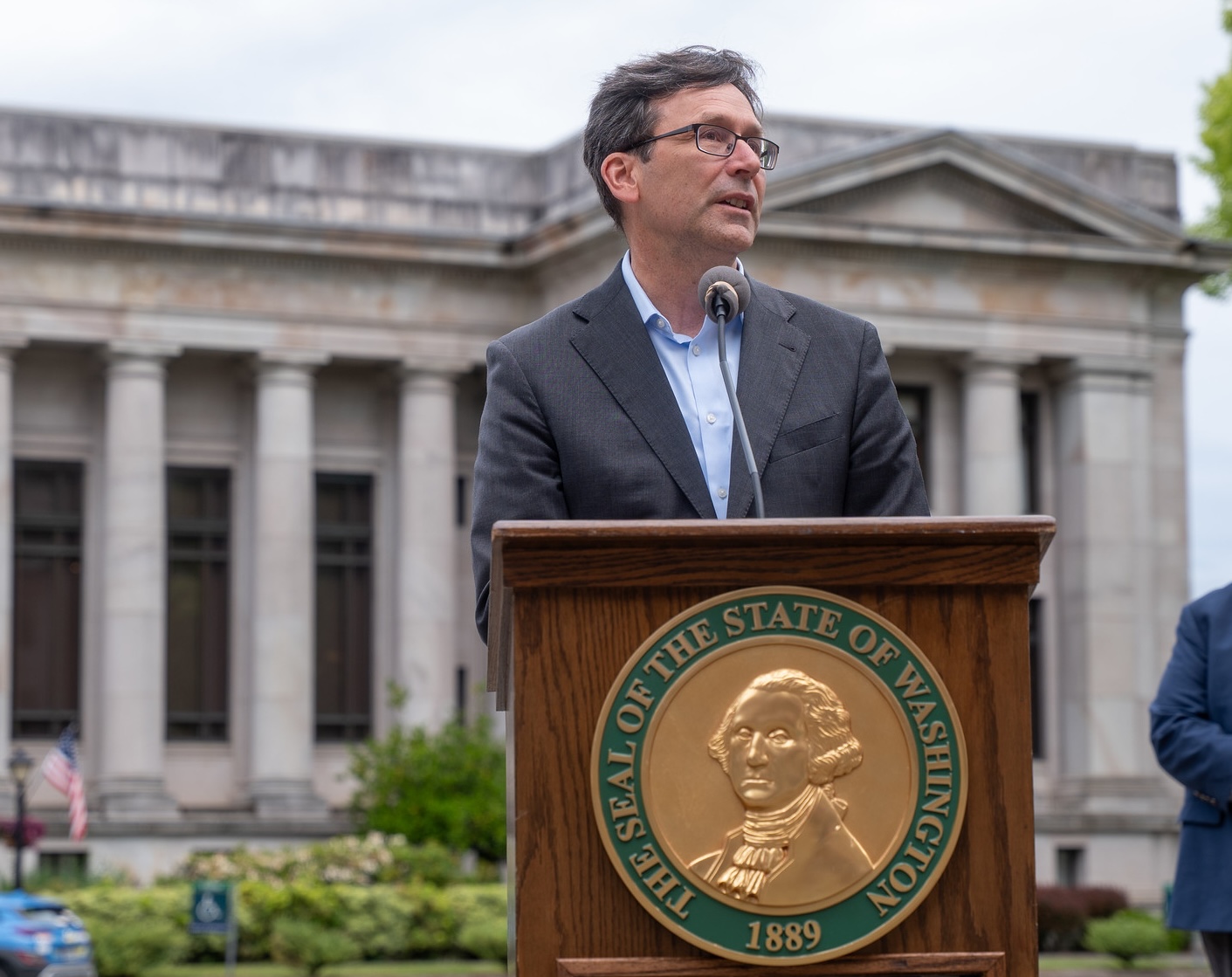
Washington Gov. Bob Ferguson’s recent announcement of a new Economic Development Council signals a quiet, perhaps overdue, realization that the state’s business climate is on shaky ground. While the governor stopped short of taking responsibility for this downturn, the exodus of major employers and job creators can no longer be ignored. When iconic Washington brands like Starbucks relocate executive roles and pioneering companies like Janicki Industries shift operations to other states, it sends a clear signal that something is broken. This new council is tasked with finding practical ways to strengthen the economy, but its initial structure suggests the state leadership may still be missing the forest for the trees. By looking backward rather than forward, the administration risks implementing yesterday’s solutions to tomorrow’s complex economic challenges.
A closer look at the council’s roster reveals an economic mindset that feels more like a historical society than a launchpad for future growth. The list is dominated by non-profits and government agencies rather than active, scaling businesses, and with the exception of a single, small homebuilder, not a single participating company was founded in this century. It is a stunning oversight that there is zero representation from the startup ecosystem, modern entrepreneurs, or the builders of tomorrow’s industries. Meanwhile, the legacy giants on the council, like Amazon, Microsoft, and Boeing, are currently characterized by massive layoffs, automation, and a deliberate strategy of shifting their workforces outside of Washington. This composition reflects a zero-sum view of economic development that prioritizes legacy corporate relationships over nurturing the organic, grassroots innovation that has always been Washington’s true superpower.
Even more glaring is the council’s total blindness to the defining economic force of our era: artificial intelligence. While Governor Ferguson’s press releases highlight quantum computing and clean energy, they are completely silent on AI. We are living through a massive technology shift where new jobs are overwhelmingly created by young, agile growth companies, and AI is the primary engine driving this new wave of business formation. Beyond startups, AI is poised to fundamentally reshape knowledge work and supercharge productivity across every sector, including state government itself. Attempting to draft a roadmap for the state’s future economic prosperity without deeply integrating AI and machine learning into the strategy is like trying to plan the future of transportation while ignoring the invention of the automobile.
If this new committee wants to deliver real value, its first report to the governor should be incredibly brief and direct: stop driving local businesses away. Rather than proposing vanity projects, the state needs to focus on the boring but essential fundamentals of economic health—efficient public services, predictable tax structures, and sensible, stable regulations. The governor’s suggestion that he is open to offering aggressive financial incentives to lure out-of-state companies reveals a profound misunderstanding of how healthy economic ecosystems actually work. Buying off out-of-state companies is a costly, temporary fix; the far wiser and more sustainable strategy is simply to “grow what you’ve got” by fostering a local environment where existing businesses can actually afford to stay, invest, and hire.
Washington would do well to study the cautionary tale of Cleveland, Ohio. Decades ago, Cleveland’s leaders failed to recognize the shifting tectonic plates of their industrial economy, leading to a devastating collapse that the city is still fighting to recover from today. As Cleveland’s mayor recently warned, when the economy began to shift, they simply didn’t pivot fast enough, and the world left them behind. Today, midwestern states like Ohio are laser-focused on economic growth and business friendliness because they know firsthand the pain of stagnation. Washington currently stands at a similar crossroads as the software era matures. If our state leaders remain complacent and assume our prosperity is guaranteed, we risk repeating the mistakes of the Rust Belt, acting only after our economic foundation has already decayed.
Ultimately, it is encouraging that Governor Ferguson is finally turning his attention to Washington’s economic future, but bureaucracy and committees do not create prosperity. True economic growth is an organic process driven by risk-takers, innovators, and everyday employers who choose to build their dreams here. If the state government wants to help, the best place to start is with the classic medical oath: first, do no harm. By listening to the actual builders of the modern economy, embracing the AI revolution, and prioritizing the retention of our homegrown businesses, Washington can write a vibrant next chapter. But doing so will require the administration to abandon outdated political formulas, look toward the horizon, and build an environment where the next generation of employers can actually thrive.