


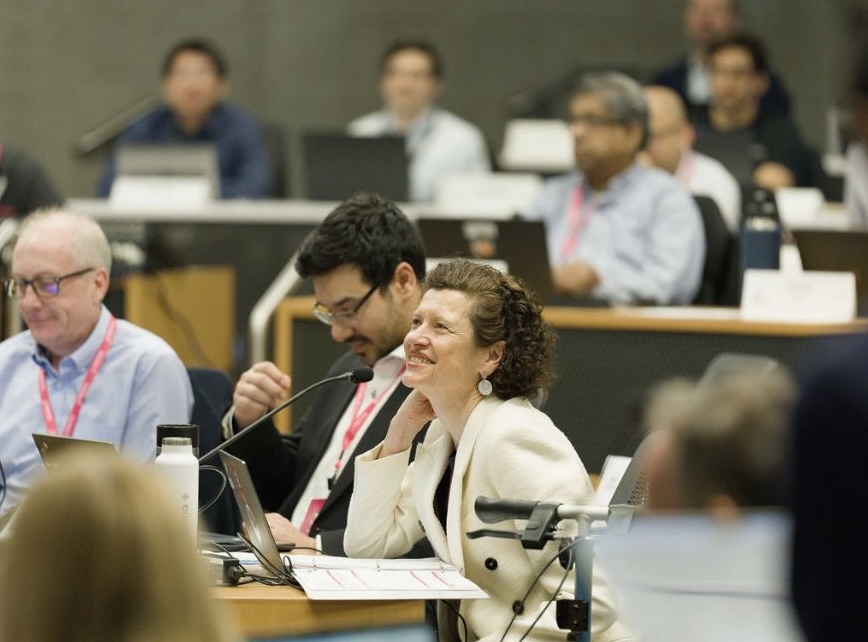
The journey of an early-stage startup founder is often romanticized in the tech world as a sleek narrative of overnight disruption, venture capital triumphs, and effortless scale. Yet, anyone who has ever stood in the shoes of an entrepreneur knows that the true reality is forged in isolation, endless self-doubt, and the exhausting cognitive load of turning a conceptual spark into a viable business. Recognizing that building a company is an intensely human endeavor that demands more than just financial capital, the Creative Destruction Lab (CDL) in Seattle has established a transformative sanctuary for startup growth. Led by the visionary Emer Dooley—a legendary figure in the Pacific Northwest innovation ecosystem—CDL Seattle operates as a non-profit, equity-free accelerator program based at the University of Washington’s Foster School of Business. Rather than demanding precious ownership stock from cash-strapped founders, the program relies on the generous philanthropy and foundational backing of elite institutions like the University of Washington and Microsoft. For nine intensive months, selected startups are enveloped in an ecosystem of deep mentorship that connects them with a curated brain trust of seasoned entrepreneurs, world-class researchers, veteran operators, and elite investors. The latest cohort represents the fifth successful chapter of this supportive community since its launch in 2021, culminating in the graduation of seventeen pioneering early-stage companies focused on advanced manufacturing and computational health. The real measure of the program’s human and intellectual capital lies not just in the complex algorithms or hardware blueprints these founders produce, but in their real-world validation; collectively, startups that have journeyed through the CDL Seattle ecosystem have raised more than $330 million in follow-on venture capital since 2022. By shifting the paradigm from transactional speculation to genuine human-to-human mentorship, CDL has cultivated a fertile garden where deep scientific innovation can survive the perilous “valley of death” and emerge as scalable, real-world solutions that tackle some of humanity’s most pressing challenges.
The first major pillar of this graduating cohort focuses on a profound, empathetic reimagining of how we interact with the physical world through advanced manufacturing, robotics, and industrial design. For over a century, the industrial landscape has often been characterized by rigid, unforgiving machinery, high carbon footprints, and severe physical strain on the laborers who keep our supply chains moving. The founders of 3D Spark are confronting these environmental and operational pain points head-on with an artificial intelligence-powered B2B platform that acts as a cognitive ally for engineering and sales teams, allowing them to rapidly compare manufacturing methods for custom parts based on waste, cost, and lead times—ensuring we do not print or manufacture a single redundant piece of plastic or metal. Meanwhile, the team at Outrun Robotics is addressing the physical and psychological toll of repetitive manufacturing labor by building and deploying highly capable, intelligent robotic workstations designed to take over the mind-numbing, injury-prone, and highly stationary tasks that degrade human joints over decades of service. This core philosophy of protecting human bodies from structural injury is also beautifully illustrated by Loadsters, a startup that has developed a lightweight, rechargeable, and modular conveyor-belt system specifically engineered to help airport ramp agents load and unload heavy cargo within the cramped, hot, and physically punishing confines of narrowbody aircraft cargo holds. In the realm of pure automation programming, where software developers have historically faced massive physical hurdles trying to translate lines of code into kinetic movement, Xronos is breaking down technological barriers by empowering developers to rapidly and confidently test and deploy software to control the physical world with absolute precision. By focusing on systems that protect actual human workers while dramatically cutting resource waste, these advanced manufacturing startups are demonstrating that industrial robotics does not have to be a cold, dehumanizing force of displacement, but can instead serve as a mechanical shield that elevates human dignity and workplace safety.
Further transforming the physical world, the remaining manufacturing graduates are focused on the delicate intersection of precision, accessibility, and high-performance engineering to make advanced robotics practical for everyday industries. A massive challenge facing high-yield food production is maintaining strict sanitation, speed, and safety standards amidst nationwide labor shortages—a crisis that Velodex Robotics is solving by building general-purpose robotic manipulation mechanisms specifically optimized for the high-volume, highly regulated demands of the food processing industry. Behind every moving robotic joint is a complex mechanical gearbox that determines how fast, light, and safe the machine can interact with its environment; here, AILOS Robotics is revolutionizing hardware engineering by building lighter, sustainable, and highly affordable gearboxes that make modern robotics accessible to smaller enterprises and light-duty environments where massive industrial arms were previously too heavy or expensive to deploy. For existing factories that cannot afford to tear out millions of dollars of legacy infrastructure, R2 Labs offers a brilliant lifeline with their R2 Autonomy Controller, an intelligent hardware and software solution that instantly retrofits older PLC-based machinery with advanced computer vision and real-time artificial intelligence. This democratization of complex machinery extends directly to high-precision machinists through Neuramill, a company that has developed an intuitive AI copilot for CNC machining that bridges the gap between software CAD designs and physical CAM execution, acting as a digital assistant that helps machinists catch costly errors and optimize custom cuts. Through these beautifully designed interventions, these builders are transforming physical automation from a hard-to-reach, high-cost science fiction concept into an approachable, elegant toolkit that empowers human craftsmen, engineers, and manufacturing facilities of all sizes to modernize without losing the human core of their operations.
Transitioning from the factory floor to the intimate spaces of healthcare, the second major pillar of the graduating cohort—computational health—harnesses deep data, machine learning, and medical empathy to treat clinical burnout, optimize patient care, and alleviate the quiet, everyday anxieties of human life. The modern medical system is currently in the grip of a quiet epidemic of administrative exhaustion, where doctors, nurses, and psychotherapists spend a vast percentage of their hours filling out paperwork rather than engaging with patients. The founders of EloraHQ are combating this head-on with an elegant administrative operating system built specifically for frontline care, which claims to slash paperwork by an astonishing ninety percent, allowing providers to double or even decuple their human patient capacity while ensuring complete financial revenue capture. On a parallel track, Therassist.AI is tackling the psychological burnout plaguing mental health practitioners by introducing intelligent software that completely automates clinical note-taking and weaves in evidence-based therapy guidance during sessions, allowing tired psychotherapists to focus their undivided emotional attention on the vulnerable individuals sitting across from them. This alleviation of administrative stress and anxiety is beautifully mirrored in the domestic sphere by Cubtale, the very first comprehensive parenting platform designed to integrate directly with clinical healthcare systems, exchanging frantic midnight Google searches for pediatric-grade, AI-powered guidance and real-time baby behavioral analytics right from a child’s birth. And for patients who dread the painful, slow-moving, and invasive processes often associated with disease screening, Vocxi has developed a gentle, non-invasive breath-based diagnostic platform that can rapidly analyze multiple severe pathologies using nothing more than a single breath of air, bringing diagnostic medicine into a gentle, highly approachable future.
As modern clinical systems continue to swim in vast oceans of complex data, the remaining computational health graduates are developing highly specialized, intelligent software to translate chaos into life-saving medical precision. For biopharmaceutical companies attempting to navigate the high-stakes, multi-billion-dollar labyrinth of drug development, Navis Bio provides key AI-driven asset intelligence platforms that parse complex biological data to accelerate the discovery of customized therapies. In the operating room, where training precision can literally mean the difference between life and death, Vivo Surgery is constructing a cloud-based video platform that captures and structures raw surgical video into clean, AI-ready datasets, accelerating surgical teaching and building the algorithmic foundations necessary for future autonomous robotic surgeries. For patients suffering from rare and life-threatening conditions who are running out of traditional treatment options, LIND AI is using automated screening technologies to scan complex medical systems, instantly identifying eligible candidates and matching them with trials using verified evidence that was previously buried in unstructured medical records. Patient safety is further guarded by Adentris, an AI platform that integrates directly with existing Electronic Health Record (EHR) systems to scan in real-time for compliance issues, patient risk trends, and latent documentation errors before they can translate into physical medical mistakes or catastrophic financial write-offs. Finally, Exin Therapeutics is pushing the absolute boundaries of experimental medicine by developing highly specialized gene therapies to repair neurological circuit dysfunction, powered by a sophisticated AI drug discovery platform aimed at restoring healthy brain function. By organizing raw visual, clinical, and genetic data into actionable insights, these visionary founders are showing that the integration of computational tools is not a step toward a cold, sterilized healthcare industry, but a movement toward a deeply personalized, mistake-free, and profoundly human standard of clinical medicine.
The magnificent journey of these seventeen graduating companies serves as living proof that when diverse institutions like the University of Washington, Microsoft, and the global network of Creative Destruction Lab unite, they create a gravity well of talent that reshapes the future of humanity. For the next wave of scientific dreamers, ambitious academics, and bold technologists who are currently working in isolation on their own groundbreaking solutions in manufacturing or healthcare, the path forward is already open, as applications are officially active for the upcoming 2026-27 CDL Seattle cohort with a fast-approaching deadline of July 24. This unique program offers a hybrid structure designed to accommodate the intense schedules of busy startup founders, combining virtual collaboration with three high-impact, in-person milestones held in the beautiful Pacific Northwest in October, February, and April. There are no fees associated with this accelerator, and the zero-equity model stands as a rare, altruistic light in a venture capital landscape that is so often hyper-transactional and extractive. If you are a founder ready to step out of the shadows, build robust commercial foundations, and gain access to an elite circle of mentors who are truly invested in your long-term human and commercial potential, you are warmly invited to apply online or directly initiate a conversation with the passionate venture management team at Creative Destruction Lab via their official email portal at [email protected]. In a world full of hard problems waiting for thoughtful answers, CDL Seattle continues to prove that we do not have to build the future alone, and that with the right mentors, the right resources, and a supportive community, we can turn the impossible dreams of today into the lifesaving, humanizing realities of tomorrow.