



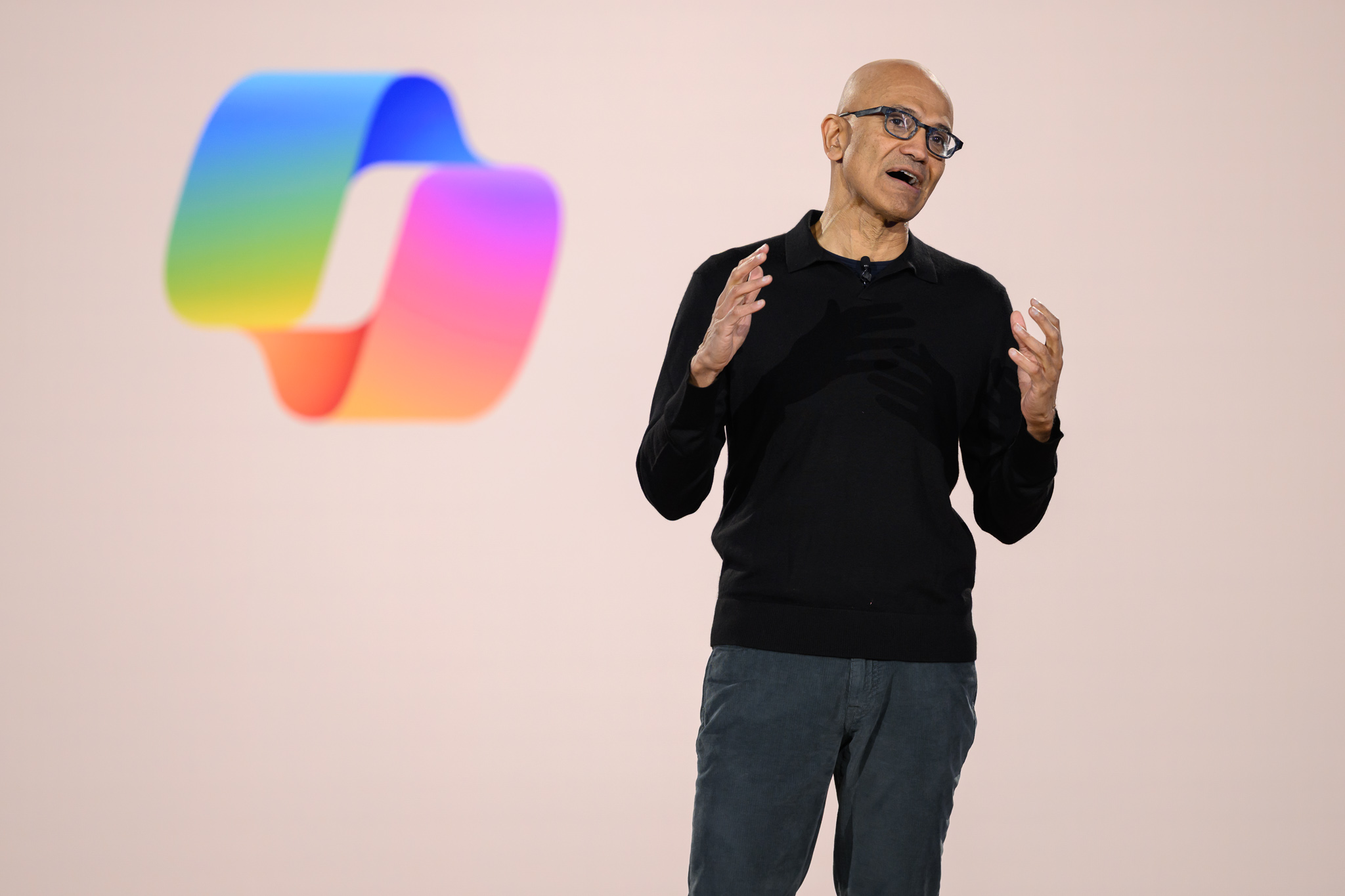
In an industry-wide rush to prove that massive artificial intelligence investments can deliver real-world profits, Microsoft has launched a major new initiative dubbed “The Microsoft Frontier Company.” While not a separate legal entity, this $2.5 billion venture represents a massive strategic pivot. Led by Rodrigo Kede Lima, former president of Microsoft Asia, the initiative will pool over 6,000 internal engineering and AI specialists to work directly inside customer operations. Rather than simply selling software and walking away, Microsoft is sending its own technical minds onto the front lines of its clients’ offices to design, build, and run bespoke AI systems from the ground up, effectively shifting from a software vendor to a deeply embedded technology partner.
This hands-on approach is known in the tech sector as “forward-deployed engineering,” a model pioneered two decades ago by Palantir that has suddenly become the hottest battleground in enterprise tech. The launch comes amid a flurry of rival announcements, signaling an intense industry arms race. Just days prior, Amazon committed $1 billion to its own forward-deployed initiative, while Anthropic and OpenAI launched similar joint ventures backed by billions in private equity. Microsoft’s commercial chief, Judson Althoff, boldly positioned their new venture as something that goes far beyond standard industry practices, claiming it will be the most capable and outcome-driven engineering organization in the tech world today.
The sudden popularity of this high-touch strategy highlights a frustrating reality for many enterprises: the payoff from artificial intelligence has proven far harder to capture than the initial hype suggested. While tools like ChatGPT and Microsoft Copilot dazzle in controlled demonstrations, integrating them into complex, tightly regulated corporate environments with messy data and legacy workflows is incredibly difficult. AI providers are realizing that having a sophisticated model is useless if a client cannot figure out how to reshape their daily operations around it. By embedding engineers directly into businesses, tech giants are attempting to bridge this gap, translating raw computational power into measurable business results.
For the tech giants, the motivations behind this shift are both defensive and financial. With hundreds of billions of dollars poured into building AI infrastructure, these companies desperately need to stimulate long-term enterprise demand to justify their capital expenditures. Furthermore, basic AI models are rapidly becoming cheap, interchangeable commodities. The real financial windfall no longer lies in selling access to the algorithms themselves, but in the highly lucrative consulting and integration services required to make those algorithms useful. Microsoft’s new venture positions it perfectly to capture this service-oriented market, transforming standard software delivery into an ongoing, highly collaborative relationship.
To win over skeptical enterprises, Microsoft is heavily pitching trust, privacy, and flexibility. The tech giant promises that clients’ proprietary operational data will remain strictly confidential and will never be used to train public AI models that might benefit competitors. Additionally, Microsoft is championing a “model agnostic” approach, promising clients they can seamlessly run whichever AI model fits the job—whether from OpenAI, Anthropic, or open-source libraries. CEO Satya Nadella has publicly warned against a dystopian tech landscape where a few dominant AI models “eat everything they see,” arguing that true corporate sovereignty means businesses must have the freedom to swap out underlying AI models without losing their valuable institutional knowledge.
Yet, despite these idealistic promises of freedom and flexibility, critics point out that the strategy inherently fosters a new kind of dependency. While a customer might theoretically swap one AI model for another, having Microsoft’s engineers deeply integrate these systems means the client’s workflows will inevitably become deeply rooted in Microsoft’s Azure cloud infrastructure, making it incredibly difficult to ever cut ties. Skeptics also note that this “new company” largely rebrands and scales up services Microsoft was already performing through its existing consulting groups and alliances. Ultimately, the Microsoft Frontier Company represents a high-stakes bet that the true future of artificial intelligence lies not in the elegance of the math, but in the messy, human work of putting it to run inside the physical offices of the global economy.