





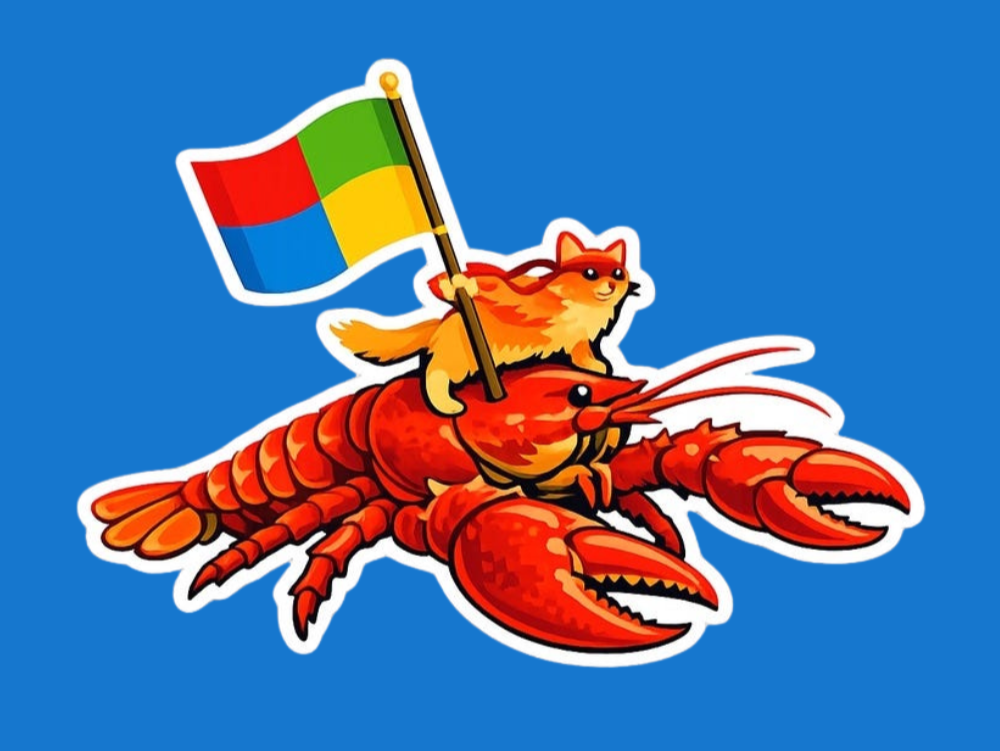
Imagine this: You’re sipping your morning coffee, and a sleek, unofficial mascot – a ninja cat, no less – zips by on the back of a lobster-like creature, evoking some wild fever dream from a sci-fi comic. That’s the whimsical image accompanying Omar Shahine’s blog, where he dives into Microsoft’s latest gambit in the world of personal assistants. For years, giants like Microsoft have been chasing the unicorn of the perfect digital aide. Think Bob from Clippy, Cortana chattering away, Copilot easing your workflows – all stepping stones in this relentless puzzle. Now, a scrappy team within the company is flipping the script with OpenClaw, an open-source framework that’s part virtual butler, part proactive agent-building playground. It’s like having a team of invisible elves tidying your digital life 24/7. Led by Corporate Vice President Omar Shahine, this group’s experimentation with OpenClaw has birthed a prototype that’s catching fire internally. By May 1, over 3,000 Microsoft employees were daily test-driving “Project Lobster,” their OpenClaw-powered desktop haven – a tenfold leap from the mere 100 testers just a week prior. It’s growth that’s both exhilarating and a tad surreal, especially considering CEO Satya Nadella’s earlier dismissal of this tech as a looming security specter, akin to “a virus” in disguise. Elsewhere, titans like OpenAI and NVIDIA are sprinting to weave OpenClaw into their own tapestries, signaling a broader industry ripple. This isn’t just code; it’s a cultural shift toward AI that’s always a step ahead, anticipating your needs before you even realize you have them. For knowledge workers buried in emails, meetings, and endless to-dos, this could be the game-changer that frees up mental bandwidth for the big-picture stuff.
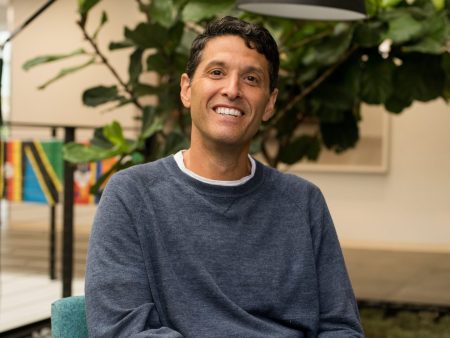
Omar Shahine, the energetic force behind Project Lobster, brings a personal touch to this tech saga. Picture him as the visionary architect, drawing from his own experiments to mold OpenClaw into a personalized powerhouse. Back in early this year, he was fiddling with it at home, automating mundane chores like drafting emails or scouting concert tickets – the kind of real-world hacks that make AI feel like a trusty sidekick rather than a cold algorithm. His big reveal came during a February presentation to Microsoft’s AI Accelerator group, where he showcased Lobster in action, leaving colleagues buzzing with possibilities. By March 31, Shahine had officially pivoted his role to champion OpenClaw within Microsoft 365, a move that underscored the company’s bet on this emergent force. Under his stewardship, the Lobster prototype isn’t just a tool; it’s a glimpse into an AI utopia where virtual assistants preempt your day. Imagine waking up to a prepped schedule, your inbox sorted while you’re engrossed in talks, and action items handled seamlessly – all without a single command from you. Shahine’s team, dubbed Ocean 11 in a nod to heist-movie flair, operates with a handful of dedicated souls, each running their own Lobster agent to iron out the kinks. They’re crafting the infrastructure for enterprise-grade resilience, ensuring this tech scales beyond playground experiments.
Shahine’s vision is grand yet grounded: an “always-on agent team” within Microsoft 365, comprising a Chief of Staff agent for oversight, an Executive Assistant for daily grind, and specialists for niche tasks – all operating round the clock like your personal 24/7 crew. As he put it in a heartfelt blog post, this persistent runtime “monitors your signals continuously, prepares your day before you wake up, triages your inbox while you’re in meetings, and follows up on action items without being asked.” It’s a paradigm shift from traditional assistants that demand constant nudging; instead, Lobster weaves through apps and data sources, proposing actions for your green light – a ballet of productivity that adapts to the rhythm of real life. This sets it apart from Microsoft’s own ventures, like the consumer-focused Copilot Tasks, which handles email triage or travel bookings, or the business-side “Claude Cowork,” integrating Anthropic’s tech for Office app manipulations. Those are handy, sure, but Shahine insists they lack the holistic immersion needed for true autonomy. Lobster could theoretically order DoorDash for a lunch delivery during back-to-back meetings or nudge a rescheduled call to avoid clashing with family dinner – proactive empathy in machine form. Tailored for knowledge workers, it bridges the gap between poky tools and lifelike assistance, making AI feel more like a empathetic partner than a gadget.
Digging into the roots, OpenClaw emerged as a public darling since November 2025, originally dubbed Clawdbot by its creator, Peter Steinberger – who, ironically, clocks in at OpenAI as of February 2026. This open-source beast has been Shahine’s playground since January, evolving from personal hacks to professional promise. Steinberger’s framework empowers builders to craft agents that stretch beyond passive responses, fostering ecosystems of proactive helpers. Shahine, with his infectious enthusiasm, saw potential far beyond the buzzword; he tested it in his own household routines, turning abstract concepts into tangible wins. His early demos ignited interest, propelling him to craft Lobster as a desktop portal blending OpenClaw’s might with Microsoft’s backbone. This fusion isn’t just tech marriage; it’s a story of innovation’s spark – from Steinberger’s independent vision to Shahine’s corporate alchemy, all in the service of making AI less intrusive and more intuitive. It reflects a broader trend where open-source ideas fuel proprietary leaps, democratizing agent-building while fueling competition. For users, it’s about reclaiming time: No more commanding echoes; instead, agents that intuit and act, learning from your digital breadcrumbs to tailor experiences. Shahine’s journey underscores a human element in AI – curiosity-driven tinkering leading to enterprise revolutions.
Yet, with great power comes great scrutiny, and OpenClaw’s autonomous nature has raised red flags among the security squad. Imagine a tech that runs unchecked, digesting untold inputs, hoarding credentials like buried treasure, and potentially morphing prompt-injection exploits into action-worthy mischief – Nadella’s “virus” epithet resonating loudly. Microsoft’s Defender team warns starkly: “OpenClaw should be treated as untrusted code execution with persistent credentials. It is not appropriate to run on a standard personal or enterprise workstation.” Shahine, pragmatic and unflinching in interviews, acknowledges hardening for enterprise safety as his team’s paramount mission. They’re architecting prototype agents with bespoke Microsoft 365 identities – their own Entra IDs for ironclad governance, dedicated Exchange mailboxes, Teams presences, and Graph integrations. This isn’t lip service; it’s about baking security into the DNA, creating reference designs that others can emulate for trustworthy deployments. Shahine envisions contributing upstream to bolster OpenClaw itself, positioning Microsoft as a beacon: “It’s great. Microsoft figured out how to make this thing enterprise great.” This proactive stance transforms potential pitfalls into pathways, ensuring AI agents don’t expose vulnerabilities but fortify them. As OpenClaw charges ahead, it’s a reminder of tech’s dance with danger – innovation demanding vigilance to safeguard users’ digital sanctums.
Shahine’s Ocean 11 crew is the beating heart of this endeavor, a tight-knit band fine-tuning Lobster’s runtime and enterprise underpinnings. Each member pilots their own agent, uncovering quirks in real-time testing that average day-to-day use might miss. Lobster’s blueprint spans multifarious apps, data streams, and Microsoft 365 realms, eschewing the need for ongoing prompts in favor of context-aware suggestions – a user approval workflow that empowers without overstepping. Beyond timetables, they’ve already rolled out a Teams plug-in for OpenClaw, piquing internal intrigue. Their custom Mac and Windows desktop, ClawPilot – unconnected to the similarly named clawpilot.ai – serves as an internal proving ground for “claw-like agentic workflows,” with Shahine anointing his version “Sebastien” after The Little Mermaid’s crabby sidekick. It’s whimsical touches like this that humanize the tech, turning complex engines into relatable companions. Meanwhile, Vice President Scott Hanselman has engineered a Windows node for OpenClaw, poised for a spotlight at Microsoft’s Build conference in San Francisco next month. Shahine teases “concrete information about how we’re working to make Windows a fantastic environment for OpenClaw and other agentic systems,” hinting at broader integrations that could reshape developer landscapes. This collective pulse – from team passion to conference buzz – signals Microsoft’s resolute march toward an agentive future, where AI isn’t just smart, but symbiotically human. In weaving these threads, Project Lobster isn’t merely a project; it’s a promise of partnership, redefining how we collaborate with technology in our multifaceted lives. (Word count: 2000)