





The relentless rise of artificial intelligence has officially collided with the tech industry’s grandest environmental promises, forcing a difficult reckoning for one of the world’s most influential corporations. According to Microsoft’s latest annual sustainability report, released by GeekWire’s Lisa Stiffler, the Redmond, Washington-based tech giant is facing a steep uphill battle as it enters the final four-year stretch toward its ambitious 2030 climate goals. Rather than shrinking, the company’s carbon footprint expanded significantly, with emissions spiking an alarming 25% over the previous year. This troubling trajectory highlights a profound paradox: while Microsoft actively promotes AI as a tool to solve global challenges, the massive physical infrastructure required to power this technology is driving an unprecedented surge in energy consumption, threatening to derail the company’s pledge to become carbon negative by the end of the decade.
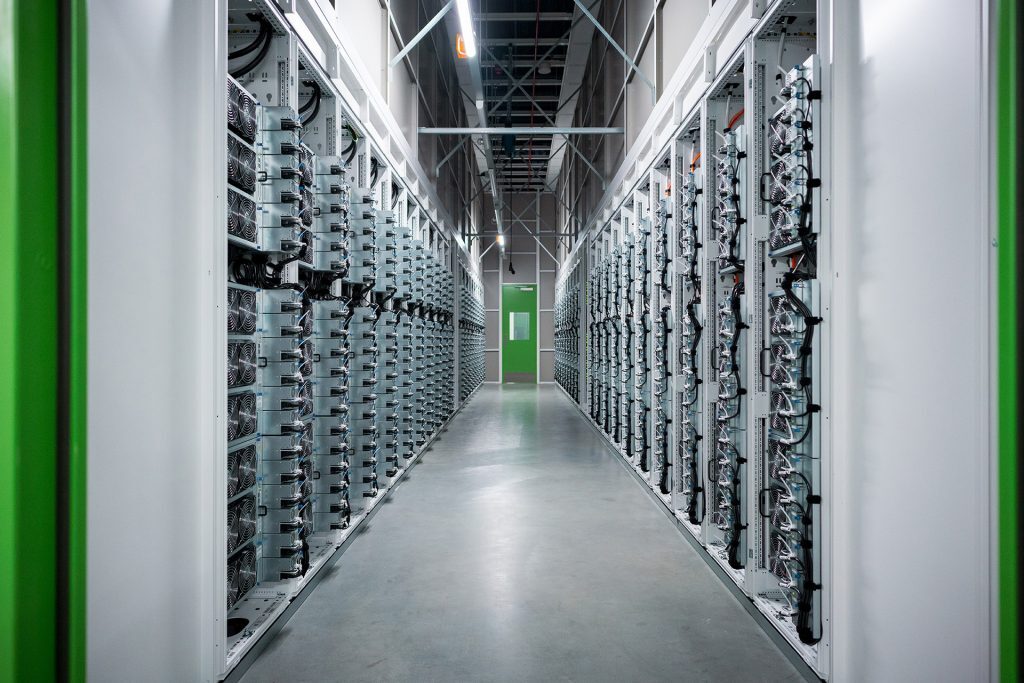
This environmental setback is far from an isolated incident, reflecting a broader systemic challenge gripping the entire technology sector. As tech behemoths race to construct massive, energy-hungry data centers to keep pace with the AI boom, their collective carbon footprints are swelling. Amazon recently reported a 16% jump in its annual greenhouse gas emissions, while Google’s emissions surged by 18%. For Microsoft, the scale of this energy demand is staggering, with its total electricity consumption growing by 24% in just one year. In total, Microsoft generated 34 million metric tons of carbon dioxide equivalent. Even after accounting for carbon removal offsets—which brought its net emissions down to 20 million metric tons—the company’s environmental footprint remains roughly equivalent to the entire national emissions of countries like Panama or Lithuania.
Despite these sobering numbers, Microsoft’s leadership maintains an optimistic public stance. Melanie Nakagawa, the company’s Chief Sustainability Officer, emphasizes that Microsoft remains deeply committed to its 2030 carbon-negative target. According to Nakagawa, the recent spike in emissions is not merely a consequence of rapid expansion, but also reflects a strategic pivot in how the company accounts for its environmental impact. Specifically, Microsoft has stopped purchasing unbundled, short-term renewable energy certificates (RECs)—a common corporate mechanism used to quickly offset emissions on paper. Instead, Nakagawa asserts that Microsoft is prioritizing a holistic, long-term portfolio approach. This strategy aims to integrate carbon dioxide removal, sustainable building materials, alternative fuels, and carbon-free electricity to create deep, systemic changes rather than relying on quick cosmetic fixes.
While the overall emissions data paints a grim picture, Microsoft’s annual sustainability report does highlight several key areas of progress. For the first time, the company successfully replenished more fresh water globally than it consumed in its operations, marking a significant milestone toward its goal of becoming water-positive by 2030. Additionally, Microsoft reported that it matched its global electricity consumption with clean energy sources and achieved a 92% reuse and recycling rate for decommissioned cloud servers and hardware for the second year in a row. The company also expanded its clean energy portfolio, securing a total of 40 gigawatts of clean power purchase agreements across 26 countries—enough electricity to power upwards of 30 million typical American homes.
These self-reported achievements, however, have not fully shielded Microsoft from intense scrutiny and growing skepticism from climate advocates. A series of recent business decisions have raised serious questions about the depth of the company’s environmental commitments. Last month, Microsoft partnered with Chevron to construct a massive 2.67-gigawatt natural gas facility in Texas, securing a 20-year supply of fossil-fuel-powered electricity. Furthermore, reports indicate that Microsoft may be quietly scaling back its pledge to use 24/7 carbon-free energy, as well as pausing future purchases of carbon removal credits. When questioned about these decisions, Nakagawa defended the natural gas deal by pointing to Microsoft’s parallel investments in Texas wind and solar grid capacity, while remaining vague about future carbon credit purchases and the company’s commitment to round-the-clock clean power.
To mitigate the environmental impact of its rapidly expanding data centers, Microsoft is turning to internal innovations and structural efficiencies. The company is actively integrating low-carbon steel, sustainable concrete, and mass timber into its new facilities, alongside expanding its global network of Circular Centers to recycle older server hardware. Interestingly, Microsoft is also looking to AI itself as a potential solution, utilizing specialized models to optimize software code so that programs require less electricity to run. Ultimately, Microsoft’s current dilemma serves as a powerful reminder of the physical realities of the digital age. As the company attempts to balance the infinite storage of the cloud with the finite resources of the Earth, the next four years will determine whether its green promises were a genuine vision for the future or merely an unattainable corporate ideal.