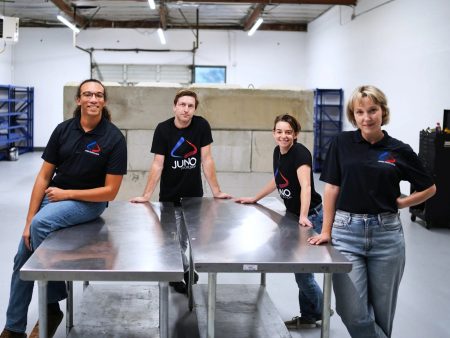





The digital landscape of modern game development is often characterized by a stark, unsettling paradox: while the games themselves have never been more culturally dominant or financially lucrative, the lives of the humans who build them have rarely felt more precarious. This tension reached a historic turning point on June 23, 2026, when the dedicated development team behind Magic: The Gathering Arena finalized draft results to officially unionize under the banner of the United Wizards of the Coast (UWOTC), in partnership with the Communications Workers of America (CWA). Following a direct petition filed with the United States National Labor Relations Board (NLRB), the in-person voting process, which commenced in early June, concluded with an overwhelming and decisive victory for collective bargaining. For the roughly one hundred core developers, quality assurance testers, designers, and software engineers based in Renton, Washington, and working remotely across the country, the announcement was not merely a administrative milestone but a deeply emotional vindication. After months of hushed planning, late-night strategy sessions, and the agonizing anxiety of organizing under the watchful, often hostile eye of corporate management, the workers finally stepped into the light of official representation. Their victory marks a monumental shift for the legendary card game’s digital adaptation, sending a resounding message across the gaming industry that the passionate human minds behind the screens are no longer willing to be treated as disposable assets in a corporate portfolio.
To truly understand the emotional and professional catalyst that ignited this union drive, one must look back to the dark winter of December 2023, a period of profound disillusionment that shook Wizards of the Coast to its core. Despite achieving one of its most financially successful and culturally significant years on record—bolstered heavily by the historic critical and commercial triumph of Baldur’s Gate III, which utilized their intellectual property—the company’s parent conglomerate, Hasbro, enacted a devastating wave of sudden layoffs. Hundreds of talented, hard-working professionals who had spent years poured into the success of the brand were abruptly locked out of their emails and let go, a callous “thank you” for their record-breaking contributions. For those who survived the cuts, the resulting psychological landscape was one of profound grief, survivor’s guilt, and an acute realization that no amount of hard work or studio success could protect them from the whims of distant shareholders. The shock of these lay-offs dismantled the long-held industry myth of corporate benevolence, prompting the Arena team to realize that their only real protection lay in each other. By late April of 2026, the quiet whispers of solidarity had coalesced into the public formation of UWOTC, born directly out of a collective survival instinct to ensure that the human cost of corporate restructuring would never again be swept under the rug without a fight.
The path from that initial spark of solidarity to the triumphant NLRB vote was paved with significant corporate resistance, illustrating the immense courage required for modern tech workers to stand up to multi-billion-dollar employers. In late spring, the newly formed union extended an olive branch to Wizards of the Coast management, seeking voluntary recognition by a May 1 deadline in hopes of fostering a collaborative transition toward a unionized workplace. This gesture, however, was met with stony silence, followed quickly by a stealthy counter-campaign designed to erode worker solidarity and stifle the budding movement. Throughout May, Arena developers began receiving a steady stream of calculated corporate communications containing classic anti-union talking points, subtly warning of lost flexibility and fractured relationship dynamics between staff and leadership. Rumors and reports swiftly circulated that Wizards of the Coast had enlisted the services of high-priced legal consultants notorious for their aggressive union-avoidance strategies, a move designed to quietly intimidate the workforce. Yet, rather than fracturing under this pressure, the team’s resolve only hardened; the corporate pushback served as a glaring, real-time demonstration of exactly why a union was so desperately needed, transforming anxiety into a unified drive that carried them to the ballot box and secured their historic victory.
At the heart of the union’s agenda is a comprehensive, deeply humanized platform designed to address the systemic anxieties of working in the modern digital age, ranging from basic economic security to the existential threat of automation. Leading their demands is the implementation of robust layoff protections, ensuring that workers are never again blindsided by sudden corporate downsizing without fair severance, notice, and internal reassignment opportunities. Furthermore, the union is taking a bold stand against Hasbro’s aggressive mandates regarding forced generative artificial intelligence integration, a corporate directive that threaten to devalue the craft of human artists, writers, and designers while compromising the artistic soul of Magic: The Gathering. They are also targeting rampant pay discrepancies within the studio, demanding rigorous wage transparency and clear, standardized rubrics for career progression so that advancement is determined by merit rather than arbitrary corporate favoritism. Additionally, the collective bargaining agreement seeks to secure permanent, flexible remote work options—vindicating those who built flourishing lives outside of high-cost metro areas—while demanding clear, fair provisions regarding workers’ rights to pursue independent, creative side projects in their personal time without fear of intellectual property overreach from their employer.
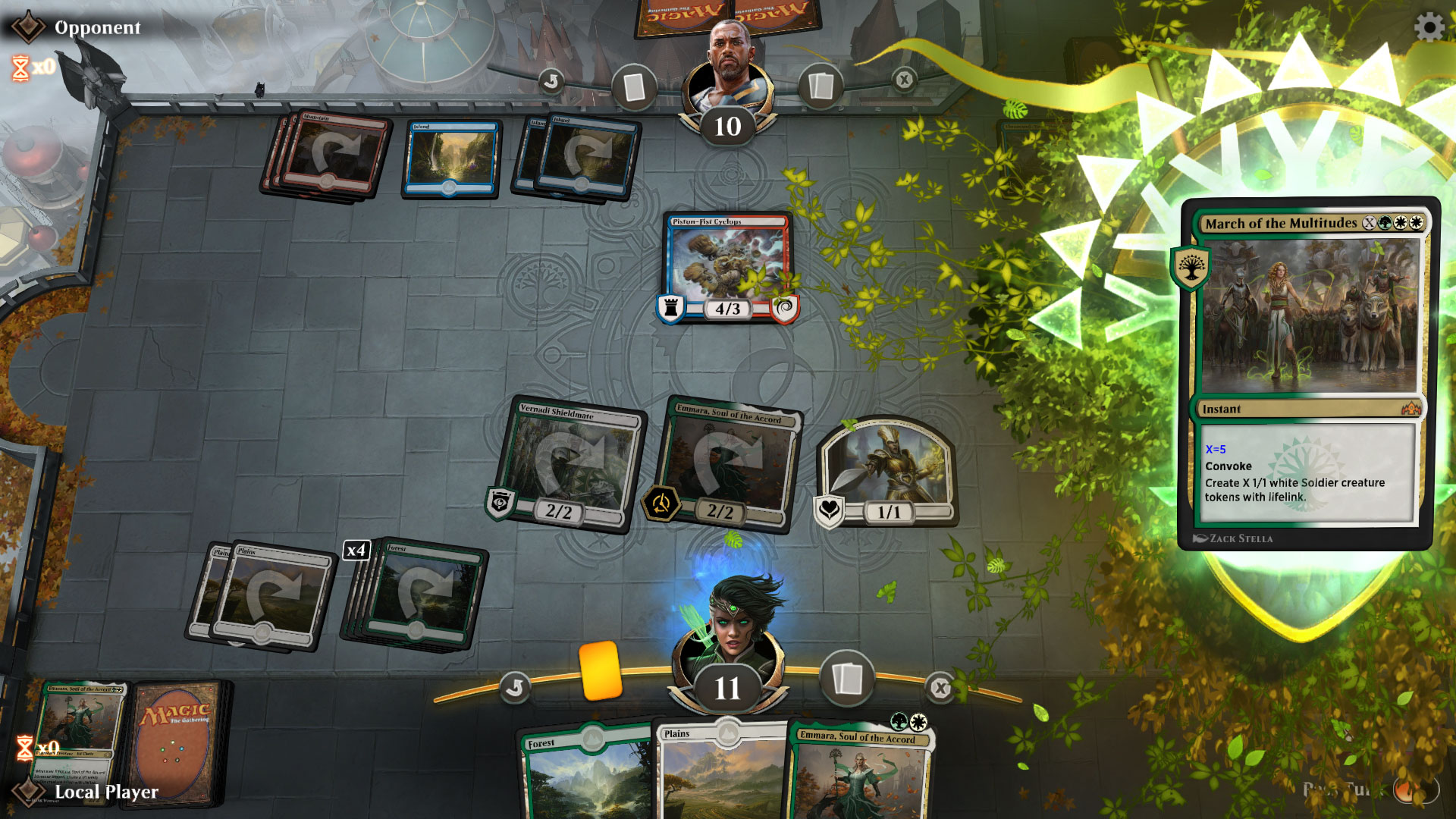
The game at the center of this battle, Magic: The Gathering Arena, is not just a casual program, but a massive, highly complex digital ecosystem that demands constant, high-pressure human maintenance. Launched into full release in late 2019, Arena revolutionized the vintage collectible card game by transforming its incredibly intricate, rule-heavy tabletop mechanics into a fast-paced, free-to-play digital experience accessible across Windows, MacOS, and mobile devices. Maintaining a live-service game with over 13 million registered accounts and thousands of fiercely passionate daily players requires a relentless cycle of coding, game-balance management, server optimization, and rapid bug-fixing with every new card set release. This high-pressure environment often leads to immense stress for developers, who must bridge the gap between complex game design and aggressive corporate monetization strategies that prioritize microtransactions and constant user retention. By unionizing, the makers of Arena are reclaiming their agency, asserting that the sustainable well-being of the creators is directly linked to the health and longevity of the game itself, ensuring that the magic players love is built on a foundation of fair labor rather than systemic burnout.
Ultimately, the triumph of the United Wizards of the Coast is a vibrant micro-cosmic reflection of a much larger, historic labor awakening sweeping through the global video game industry. For over a decade, the “AAA” gaming sector has operated under an unsustainable culture of extreme “crunch” times, sudden studio closures, toxic work environments, and a pervasive executive mentality that treats creative talent as highly expendable, easily replaceable fuel for the corporate machine. However, the tide is visibly turning as developers at major studios worldwide recognize that collective action is their most powerful tool to reshape their industry’s future. The courage of the MTG Arena team serves as an inspiring blueprint and a beacon of hope for game developers everywhere, proving that even in the face of corporate intimidation, workers can stand together to claim their rightful seat at the decision-making table. As UWOTC-CWA prepares to enter the next phase of their journey—negotiating a historic, ratified contract with internal leadership—they do so not just as employees, but as equal partners in the creative process, reminding the gaming world that behind every iconic digital card, every line of elegant code, and every beloved virtual world, there is a human being whose labor, dignity, and livelihood must be respected.