






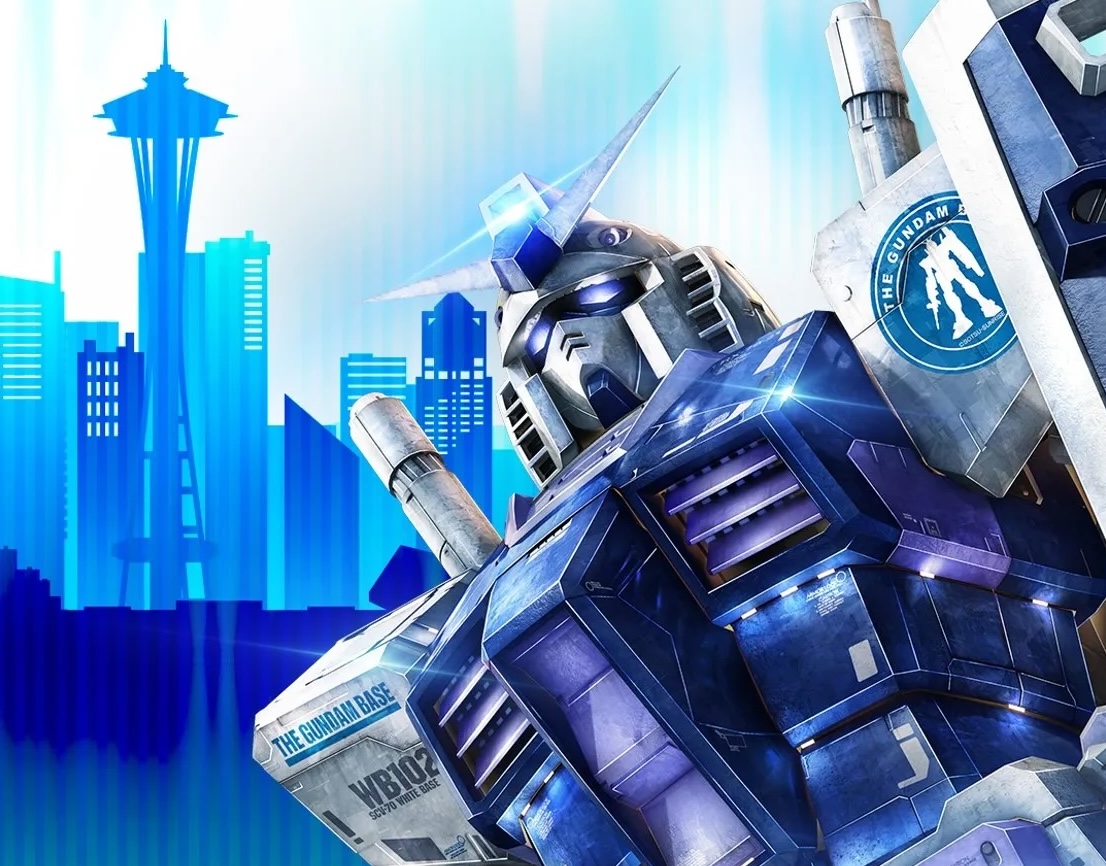
The crisp, rain-swept air of the Pacific Northwest is about to carry the electrifying energy of giant sci-fi mecha. Bandai Namco has officially announced that it is bringing its legendary Gundam Base retail flagship to the Westfield Southcenter mall in Tukwila, Washington, this autumn, giving the Seattle metro area’s thriving anime and modeling community a permanent, world-class sanctuary to call their own. For years, local hobbyists and pop-culture enthusiasts had to satisfy their love for these giant, beautifully engineered Japanese robots through online imports, local specialty comic shops, or dream-like pilgrimages to the towering, life-sized Gundam statues in Tokyo’s Odaiba district. The opening of this permanent brick-and-mortar hub changes the game entirely, establishing Washington state as a primary destination for Japanese subculture on the West Coast. This initiative is highly symbolic, acknowledging the region’s long-standing appreciation for technology, art, and geek culture. By planting their flag in Tukwila, Bandai Namco is transforming a traditional suburban shopping center into a vibrant, nostalgic, and futuristic gathering place, bringing a piece of Toyko’s famous Akihabara district straight to local fans who have dreamed of having an authentic, immersive space to celebrate their favorite hobby together.
To appreciate why this announcement has triggered such emotional waves, one must look back to 1979, the year director Yoshiyuki Tomino revolutionized Japanese animation with the debut of Mobile Suit Gundam. Before this iconic series, anime robots were painted as god-like, invulnerable “super robots” that fought cartoonish monsters; Gundam introduced the revolutionary concept of “real robots”—highly grounded, mass-produced military weapons operated by young, flawed pilots caught in the tragic machinery of politics and war. While the complex, human storytelling captivated audiences for decades across countless television shows, movies, and video games, the franchise’s crowning achievement and biggest economic driver became “Gunpla,” a playful portmanteau of “Gundam” and “plastic model.” Unlike traditional, pre-assembled toys that encourage passive consumption, Gunpla kits are highly engineered, snap-together puzzles that builders must physically manipulate and construct by hand. The physical act of building—using specialized nippers to carefully snip colorful plastic parts off of injection-molded runners, cleaning up the rough edges, and snapping them together without a single drop of glue—offers a deeply satisfying, meditative escape. In a modern era dominated by glowing screens and digital exhaustion, this tactile hobby provides a vital, low-tech refuge for the soul, allowing builders young and old to quiet their minds, focus their attention, and experience the tactile joy of watching a complex, posable, three-dimensional artwork slowly take shape under their own fingertips.
It is this profound, hands-on relationship with the hobby that shapes the design of the new Tukwila flagship, which Bandai Namco has built upon four core experiential pillars: “watch, buy, build, and learn.” Far from a traditional, sterile retail outlet where boxes are simply stacked on dusty metal shelves, this venue is conceived as a living museum and interactive community center. Upon entering, visitors will be transported into a stunning, themed environment featuring massive, intricately detailed mecha displays, life-sized statues, and illuminated showcases filled with expertly painted, breathtaking works of professional model-making art. These displays span forty-five years of rich lore, showcasing the endless possibilities of what a simple plastic kit can become in creative hands. Crucially, the store features dedicated, warmly lit community zones equipped with tables, tools, and workbenches where the historical isolation of model building completely evaporates. Here, the store becomes a bustling, noisy workshop where seasoned builders can sit shoulder-to-shoulder with absolute novices. The expert staff will be on hand not merely to ring up purchases, but to guide newcomers through their first cuts, teach them how to apply decals, and help them master complex painting techniques, fostering a cycle of teaching and learning that keeps the community thriving and inclusive.
To cater to this diverse, multigenerational community, the Southcenter flagship will stock an unprecedented variety of plastic kits suited for every imaginable skill level, ensuring that no visitor feels left out or overwhelmed. For those who are curious but hesitant, the inventory will feature “Entry Grade” kits, which require no tools or previous experience and can be put together in under an hour like a simple, fun puzzle. From there, the scale and complexity climb through “High Grade” and “Real Grade” kits—which offer incredible poseability and mechanical accuracy—all the way up to “Master Grade” and “Perfect Grade” behemoths. These top-tier kits represent the pinnacle of Japanese structural engineering, featuring hundreds, sometimes thousands, of microscopic parts, hidden internal metal skeletons, functional shock absorbers, and integrated LED light configurations that demand hours of patient, meticulous dedication. Adding to the store’s allure, it will serve as an exclusive global outpost for “Gundam Base Limited” model kits, which are usually only sold at flagship locations in Asia and are highly prized by collectors for their unique translucent plastics, special color palettes, and limited-edition decals. This comprehensive retail approach unites generations of builders; parents who grew up watching late-night broadcasts of Gundam Wing on television can now share their nostalgic passion with their children who discovered the series through modern streaming platforms, building memories together one plastic joint at a time.
The arrival of the Tukwila location is a vital step in a broader, highly ambitious physical retail strategy by Bandai Namco to establish a permanent footprint across the United States. Concurrently with the Seattle-area launch, the company is preparing to open a sister location at the world-famous Mall of America in Minneapolis, Minnesota, both of which follow on the heels of the immensely popular late-2024 debut of The Gundam Base Chicago, which marked their first permanent physical store in North America. This rapid expansion signals a major shift in how Japanese entertainment properties interact with international audiences. For decades, American anime fans had to navigate a landscape of scarce merchandise, waiting months for shipments, and paying expensive import fees, but the massive surge in streaming-era viewership and a post-pandemic hunger for engaging, screen-free hobbies have proved that the domestic appetite for physical nerd culture is stronger than ever. In a digital-first marketplace where social interactions are increasingly virtual and sterile, Bandai Namco is investing heavily in real-world spaces where fans can gather, touch products, and celebrate their shared subculture. This brick-and-mortar renaissance proves that human beings still crave physical spaces of belonging, showing that the physical marketplace is not dying; it is simply evolving to prioritize experience, community, and genuine passion over cold, transactional online shopping convenience.
When the grand opening in Tukwila finally arrives this fall, it will symbolize far more than the expansion of a corporate giant; it will mark the creation of a cherished neighborhood sanctuary where creativity, engineering, and human connection meet. The satisfying, rhythmic clicking of plastic nippers, the quiet focus of a child applying their first sticker, and the animated conversations of fans debating the complex politics of universal century timelines will fill the air, creating a unique collective energy that cannot be replicated online. In a fast-paced, high-pressure world that constantly pushes people toward digital isolation, the physical act of building a Gundam model alongside others serves as a gentle, grounded reminder of what makes hobbies so special in the first place. By providing a warm, welcoming space where anyone can step in, sit down, and learn to build something with their own hands, this flagship store is set to become an essential hub of the Pacific Northwest’s cultural landscape. As the giant robots of Gundam finally land in the Seattle area, they bring with them a vibrant reminder that imagination is meant to be shared, and that no matter how complex the model kit of life can get, we can always figure out how to piece it together, step-by-step, in the company of friends.