






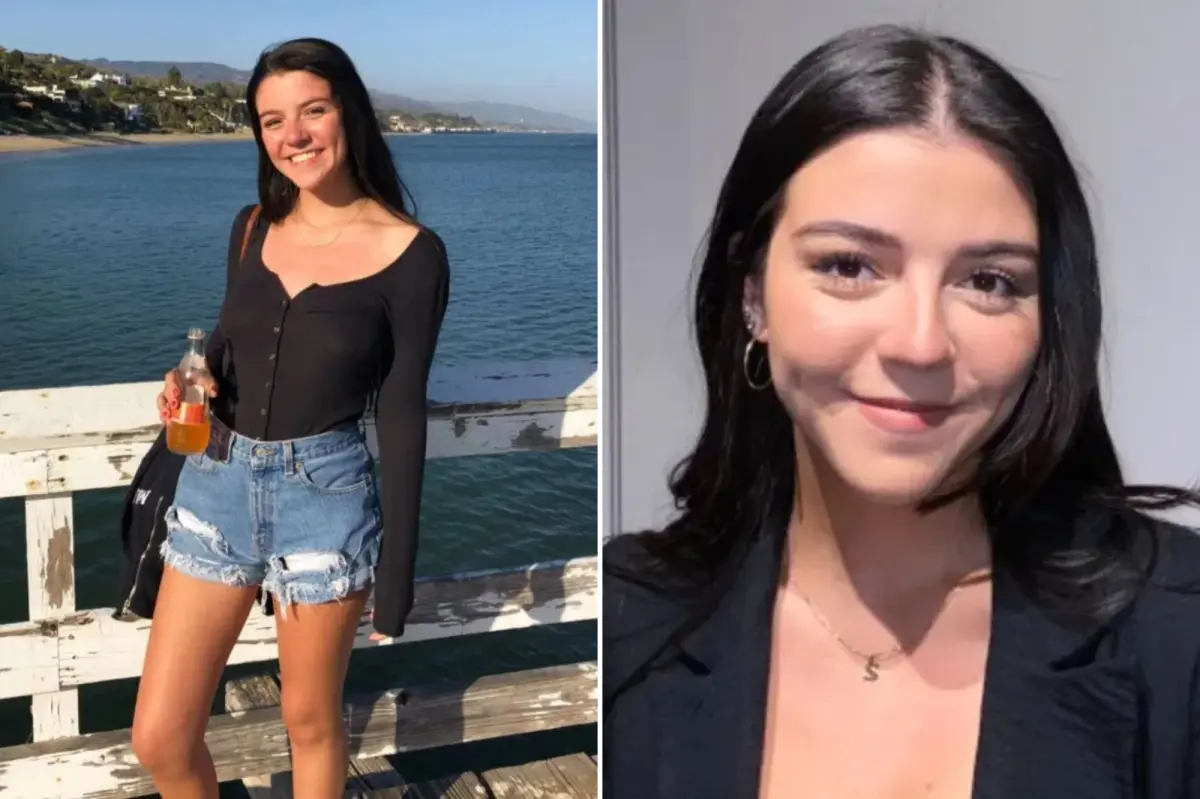
For a young person navigating the cold, isolating confines of a juvenile detention center, a behavioral therapist is supposed to represent a lifeline—a safe harbor of trust, emotional healing, and guidance back toward a productive life. At the John Davis Juvenile Detention Center in Martinez, California, a vulnerable 14-year-old boy believed he had found such a sanctuary in Sofia Drotts, his assigned 26-year-old county-employed clinician. Instead, behind closed therapy doors, a deeply predatory dynamic unfolded. Over a agonizing two-year period, Drotts allegedly weaponized her professional authority and her deep understanding of clinical psychology to systematically groom the child. She did not seek to heal his trauma; rather, she calculatedly built an inappropriate emotional dependency, slowly eroding his boundaries until she had trapped him in a psychological web designed for her own illicit gratification.
The contrast between Drotts’ outward professional trajectory and the covert reality of her actions highlights the chilling ease with which predators can masquerade as saviors. To the public and her academic peers, Drotts was a rising star—a University of Wisconsin-Madison psychology graduate publicly celebrated by her alma mater as she headed to Palo Alto University to pursue a prestigious Ph.D. in Clinical Psychology. Yet, beneath this veneer of academic excellence lay a calculated double life. Upon the boy’s release from juvenile custody, the exploitation escalated from emotional grooming into physical and sexual abuse. Between April and