





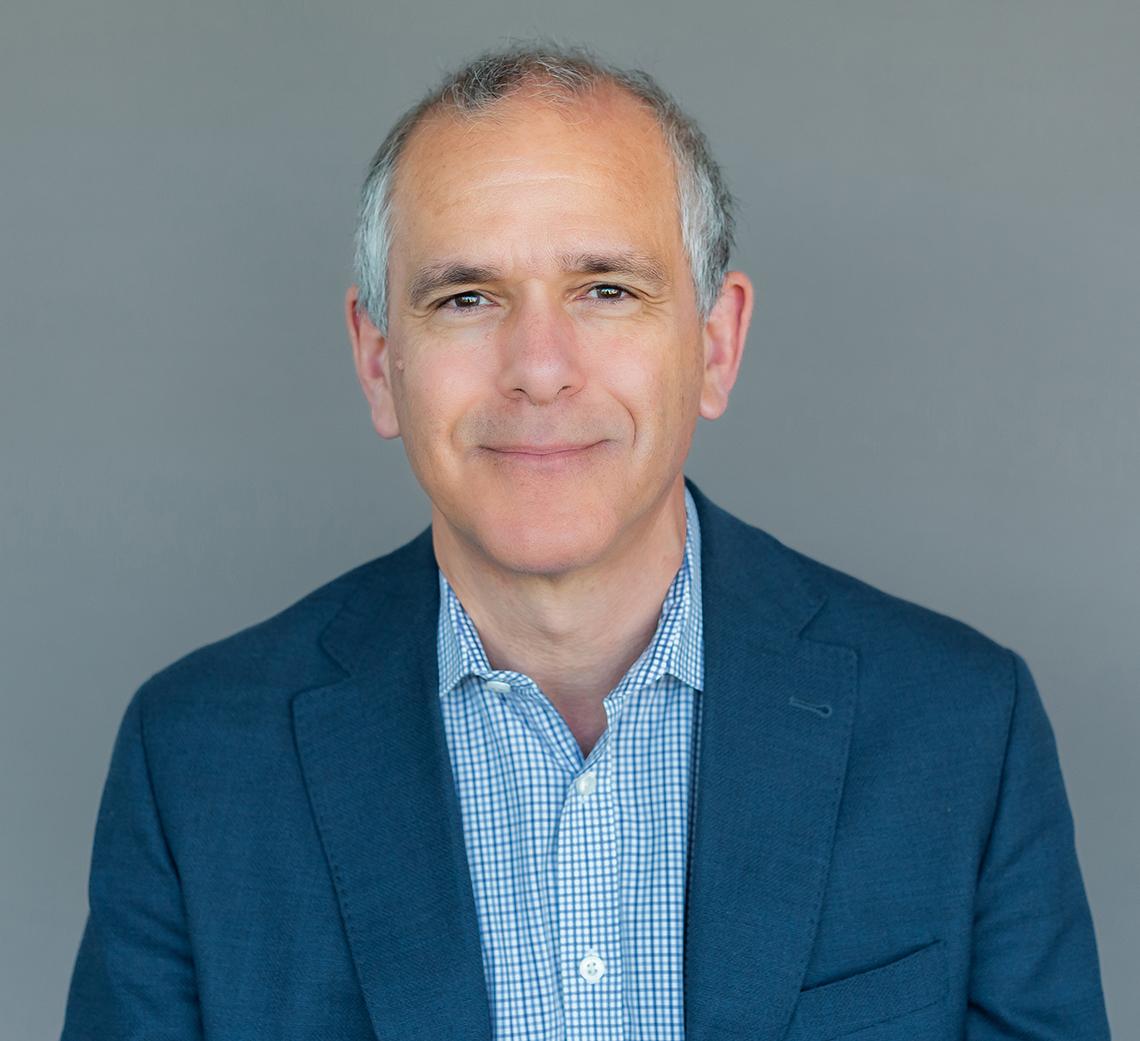
Behind the clinical charts, color-coded maps, and massive data spreadsheets that define our understanding of global wellness lies a deeply human quest: the desire to map human suffering so that we might find a way to alleviate it. This noble pursuit received a monumental boost when the Bill & Melinda Gates Foundation announced a historic $540.2 million grant to the University of Washington’s Institute for Health Metrics and Evaluation (IHME). This extraordinary contribution represents the largest single charitable gift in the university’s history, securing a ten-year horizon of stability for an institution whose work touches billions of lives, often without them ever knowing it. At the heart of this endeavor is Dr. Christopher Murray, the institute’s director and a visionary professor of health metrics sciences, who pioneered the Global Burden of Disease study in the early 1990s. Dr. Murray’s lifelong mission has been to transform raw, cold statistics into a compassionate ledger of human life, documenting not just how we die, but how we live, struggle, and overcome illness. By securing this record-breaking commitment, IHME ensures that its critical mission of cataloging the world’s pain, resilience, and medical progress can continue uninterrupted. It is a profound acknowledgment that in an increasingly complex and interconnected world, we cannot heal what we do not measure, and this monumental financial injection ensures the scientific tools to measure global health remain sharp, independent, and forward-looking for the decade to come.
The true magic of this historic funding lies in its power to bring visibility to the invisible, drastically expanding the geographical resolution of global health data. Over the next ten years, the grant will fund an unprecedented expansion of the Global Burden of Disease study, scaling its coverage from approximately 925 locations to nearly 5,000 sites across the globe. In many developing nations and isolated regions, there are no centralized electronic health records, no reliable local registries, and no formal systems to track why individuals fall ill or pass away. For these communities, this study is not merely an academic exercise; it serves as the solitary, vital window through which the international medical community can observe their struggles and offer aid. Dr. Murray has emphasized that this hyper-local approach is specifically designed to empower grassroots leaders and local governments, providing them with the highly localized, high-quality evidence required to make life-or-death decisions. When a regional health minister or a community clinic director can pinpoint a localized spike in childhood respiratory illnesses or a sudden rise in adult cardiovascular disease, they can allocate scarce medicines, build clinics where they are needed most, and design targeted preventative campaigns. This massive expansion of data locations turns abstract global averages into precise, actionable local roadmaps, effectively bridging the gap between high-level epidemiology and the daily reality of families striving for a healthier future in the most remote corners of the earth.
This massive infusion of capital and trust comes after a period of intense public scrutiny for the institute, illustrating the turbulent, deeply human nature of scientific progress during times of global crisis. During the terrifying early days of the COVID-19 pandemic, IHME was catapulted from the quiet halls of academia into the blinding spotlight of international media and politics. Its predictive models, hospital resource forecasts, and mortality projections became the primary navigational compass for the White House coronavirus task force and governments across the globe. However, with this sudden fame came an extraordinary level of pressure and skepticism from peer scientists and statisticians, who argued that IHME’s early forecasts significantly understated the American death toll and relied on uncertainty intervals that were far too narrow. For the dedicated researchers working around the clock in Seattle, this era was a grueling trial by fire, forcing them to balance the desperate global need for immediate answers with the methodical, iterative rigor of scientific verification. Rather than retreating from the criticism, the institute leaned into it, openly refining its methodologies, widening its statistical ranges, and adapting its algorithms to better capture the erratic behavior of the virus. This chapter humanized the institution, showing that science is not a static, infallible oracle, but a living, breathing process of learning, listening, and adapting, ultimately leaving IHME’s tracking and forecasting tools far more resilient and better prepared for the next global health emergency.
The timing of this half-billion-dollar private investment is both critical and poignant, arriving as a vital shield during an economic winter that threatens to freeze public health initiatives worldwide. Globally, public funding for health development is in a state of alarming contraction, with IHME’s own tracking revealing a staggering 21 percent drop in international development assistance for health between 2024 and 2025. This sharp decline has been heavily driven by a massive 67 percent reduction in spending by the United States government, accompanied by significant budget cuts from other traditional humanitarian leaders such as the United Kingdom, France, and Germany. Simultaneously, the University of Washington itself is navigating a severe internal budget crisis, exacerbated by federal administrative delays that saw promised National Institutes of Health awards drop by half, with actual cash in hand plummeting by nearly three-quarters. In this landscape of systemic austerity and shrinking public safety nets, the Gates Foundation’s gift is not an indulgent luxury but a desperate lifeline. It ensures that while governments retreat from their humanitarian commitments and academic departments face painful downsizing, the essential infrastructure of global health tracking remains protected. It highlights a sobering modern reality where private philanthropy must step forward to bridge the massive financial chasms left by public sector withdrawal, ensuring that the vital science of tracking human survival is not abandoned to political volatility.
This historic grant also reflects a deeply strategic moment of transition for the Bill & Melinda Gates Foundation itself, which is actively writing the final chapters of its own institutional legacy. The relationship between the foundation and IHME is foundational, stretching back to 2007 when a $105 million grant—then the largest in the university’s history—helped establish the institute, followed by successive record-breaking donations for the institute’s state-of-the-art building in 2016 and a $279 million core grant in 2017. However, this new $540.2 million commitment occurs against the backdrop of the foundation’s historic 2025 announcement that it will spend down its entire $200 billion endowment and permanently close its doors by December 31, 2045. As it embarks on this deliberate twenty-year sunset path, the foundation is currently operating on a record annual budget of $9 billion while simultaneously planning to reduce its internal staff by up to 500 positions by 2030 to streamline operations. By committing to a ten-year grant that runs through 2036, the foundation is strategically securing IHME’s long-term future, ensuring that this premier health-tracking asset is fully capitalized, stable, and highly functional long before its primary benefactor ceases to exist. It is a profound act of legacy preservation, designed to leave behind a robust, self-sustaining global monument to data-driven human progress that will guide global health policies for generations to come.
For the 425 researchers, data scientists, and administrative professionals who call IHME home, this funding brings a profound sense of peace, stability, and renewed purpose during a highly stressful era for academic researchers. While a half-billion-dollar headline might suggest a period of rapid organizational expansion and massive hiring sprees, the institute’s leadership has emphasized that this core grant is intended to maintain a “steady state,” keeping staffing levels relatively stable after a minor reduction from the previous year’s headcount of 469. This deliberate focus on stability over raw, unchecked growth represents a mature, deeply humanized approach to scientific management, allowing the existing team to focus their deep expertise on improving the depth, accuracy, and accessibility of their models rather than managing the chaos of rapid restructuring. Over the next decade, these scientists will work quietly behind their screens in Seattle, translating mountain ranges of raw data from nearly 5,000 global locations into actionable human truths. They will continue to help us understand not only how we get sick, but how we can build more equitable societies where every person has the chance to live a long, healthy life. In an era often defined by cynicism and division, this partnership between a sunsetting philanthropic giant and a dedicated public university research institute stands as a beautiful testament to human cooperation, reminding us that behind every statistic and data point is a human life worth saving.