






The technology landscape is witnessing a profound evolution as the foundational architecture of the internet undergoes its most radical transformation since the dawn of the consumer web. At the heart of this shift is Adam Selipsky, a seasoned executive whose name has long been synonymous with the rise of modern cloud computing. After stepping down from his role as CEO of Amazon Web Services in 2024, a departure that signaled the end of an era for the cloud giant, Selipsky has made a triumphant and highly anticipated return to the infrastructure arena. He has been named the co-founder and Chief Executive Officer of Helix Digital Infrastructure, a formidable new venture designed to address the insatiable, energy-hungry demands of the artificial intelligence revolution. Unveiled to the public with a jaw-dropping financial commitment exceeding $10 billion, Helix is not merely a startup; it is a monumental effort to rebuild the physical foundation of the digital world. The company represents a deliberate, high-stakes response to a global bottleneck: while the software driving artificial intelligence continues to advance at a breakneck pace, the physical world—composed of concrete, copper, fiber-optic cables, and massive electrical grids—is struggling to keep up. By stepping into this breach, Selipsky is transitioning from managing virtual servers to orchestrating the raw, physical power required to keep the intelligence age alive, positioning Helix as the indispensable builder of the cognitive era.
To understand why Selipsky is the chosen architect for this multi-billion-dollar endeavor, one must look back at his remarkable career trajectory, which mirrors the growth of the digital economy itself. Joining Amazon Web Services in 2005 during its infancy, he was instrumental in transforming a quirky internal retail infrastructure project into a global technology powerhouse that reshaped how businesses operate. His departure in 2016 to lead Tableau Software as its CEO demonstrated his versatility, as he successfully humanized data analytics and navigated the company through a massive transition to a subscription-based model, culminating in a historic $15.7 billion acquisition by Salesforce. When he returned to helm AWS in 2021, he brought a mature perspective on how enterprises interact with technology, steering the cloud pioneer through the turbulent post-pandemic economy. His decision to join global investment firm KKR in late 2025 as a senior technology and AI strategy advisor laid the groundwork for this next chapter, allowing him to quietly synthesize his decades of operational expertise with the massive pools of private capital eager to finance the future. Selipsky’s journey from a young manager building the first virtual machines to an elder statesman of the tech world navigating the geopolitical and physical constraints of AI infrastructure highlights a profound truth: the digital future is no longer just about writing elegant code; it is about the grit, planning, and leadership required to build massive, physical monuments to human ingenuity.
The launch of Helix is distinguished not just by Selipsky’s leadership, but by the unprecedented coalition of global titans that have rallied behind its banner. This is not a standard venture capital play, but a highly synchronized alliance engineered to solve every dimension of the AI infrastructure crisis simultaneously. KKR and the Kuwait Investment Authority are supplying the massive foundational capital necessary to break ground on projects of this scale, while Waldemar Szlezak, KKR’s global head of digital infrastructure, steps in as chief investment officer to steward these investments. Crucially, Nvidia, the undisputed sovereign of the AI hardware landscape, has joined as a founding investor and strategic partner, ensuring that Helix’s data centers are designed from the ground up to accommodate the highly specialized, liquid-cooled, high-density server racks required for their cutting-edge chips. To solve the most pressing bottleneck of all—power—Helix has brought in Vistra, one of the United States’ largest power producers, as its preferred energy provider. This synergy creates a closed-loop system where capital, computing design, electrical generation, and operational expertise are integrated into a single entity, mitigating the fragmented supply chains that have slowed down previous infrastructure projects and offering big tech clients a seamless, ready-to-use solution to their capacity anxieties.
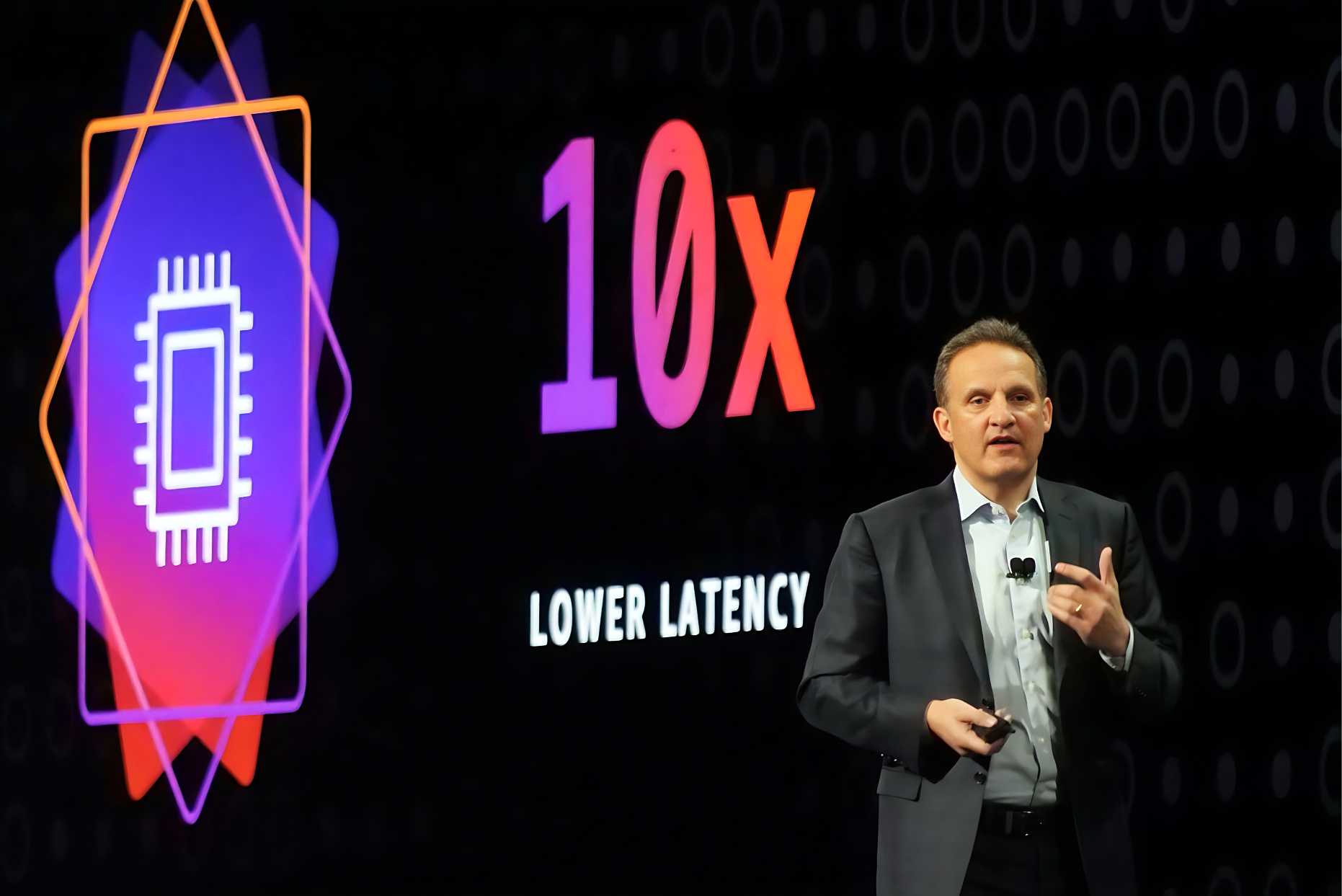
This integrated approach is a direct response to a harsh reality that Selipsky has been quick to point out: building the infrastructure for physical AI is incredibly difficult, and the assumption that big tech companies can simply scale their way out of this problem on their own is a total misnomer. During a candid appearance on CNBC, Selipsky demystified the idealized perception of cloud scaling, pointing out that more than a quarter of all publicly announced data center projects globally are currently failing to deliver on their promises. The engineering challenges are staggering; today’s AI chips generate unprecedented amounts of heat, requiring entirely new liquid-cooling architectures, while the sheer physical volume of data flowing through these systems demands ultra-low-latency fiber networks constructed across vast distances. For hyperscalers like Microsoft, Google, and Amazon, attempting to manage these gargantuan construction projects internally while simultaneously racing to develop foundational AI algorithms has become an operational nightmare. By stepping in as an expert, deeply reliable partner, Helix aims to alleviate this burden, leveraging a handpicked team of seasoned industrial operators who understand how to navigate regulatory hurdles, procure rare equipment like industrial-grade transformers, and transform raw tracts of land into hyper-efficient computing sanctuaries.
Beyond the internal engineering difficulties, Helix must also navigate a rapidly shifting socio-political and ecological landscape, where the footprint of data centers is facing unprecedented public scrutiny. The physical reality of artificial intelligence is that it is a resource-intensive endeavor, requiring massive amounts of water for cooling and putting an immense strain on local municipal power grids. This tension has begun to manifest in local policy, perhaps most poetically illustrated by the city of Seattle—the very birthplace of the cloud revolution—which recently enacted a one-year emergency moratorium on new major data center construction to protect its local grid and address community concerns. As municipal governments and environmental advocates raise alarms over carbon footprints and resource diversion, Helix’s partnership with an established energy producer like Vistra becomes a vital strategic asset. The company cannot simply rely on traditional grid hookups; instead, it must actively participate in the development of next-generation power solutions, exploring clean energy integration, microgrids, and dedicated generation assets to ensure that their facilities can run continuously without plunging surrounding communities into darkness, turning environmental responsibility from a compliance chore into a core business strategy.
Ultimately, the creation of Helix Digital Infrastructure marks a defining milestone in the story of human technological progress, signaling that the abstract “cloud” has firmly grounded itself in the physical earth. As Adam Selipsky takes the reins of this $10 billion venture, his mission extends far beyond building profitable real estate for servers; he is constructing the silent, roaring engine room that will power the next era of human civilization. If the algorithms of the future are to discover new life-saving medicines, optimize global supply chains, and unravel the mysteries of our universe, they will do so inside the high-density, humming halls designed by Helix. By humanizing the complex, cold realities of industrial construction, energy distribution, and financial scaling, Selipsky and his partners are proving that the digital revolution is, at its core, a deeply human collaborative effort. As the world watches to see if this ambitious coalition can deliver on its massive promises, Helix stands as a testament to the belief that the limits of artificial intelligence will not be decided by our imagination, but by our willingness to build the physical foundation necessary to support it.