





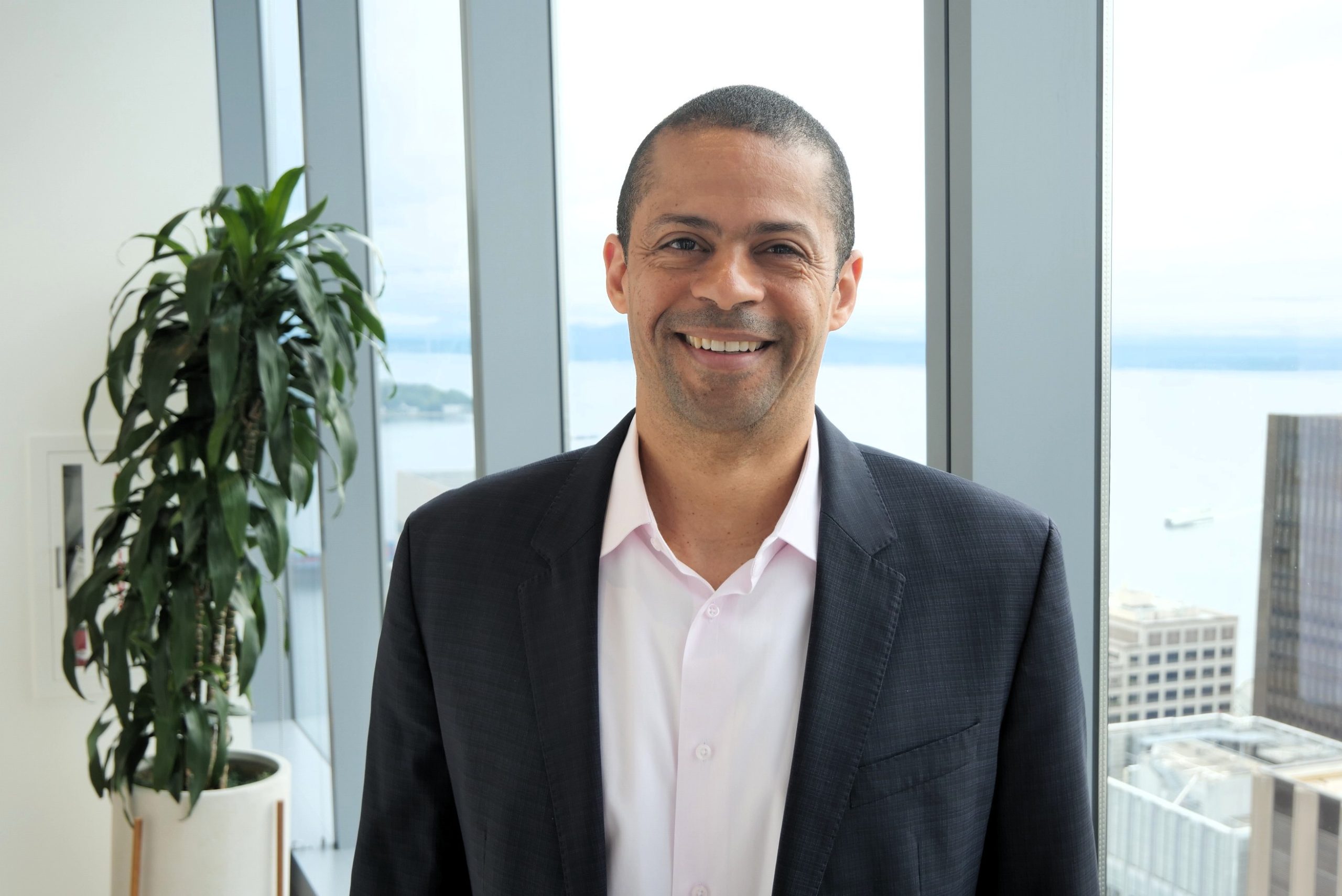
The modern corporate landscape is undergoing a silent, tectonic shift, propelled by the dizzying, breakneck ascension of artificial intelligence. In boardrooms and IT departments across the globe, a quiet panic is setting in: while employees eagerly adopt generative AI tools to write code, compose emails, and automate workflows, business leaders are realizing they have lost sight of the digital perimeter. This stark reality was at the heart of an engaging conversation with François Locoh-Donou, the chairman, president, and CEO of Seattle-based security and application delivery giant F5. Speaking at the company’s downtown headquarters for the GeekWire Podcast, Locoh-Donou highlighted a paradoxical challenge facing the modern enterprise: the more deeply a company embraces the promise of artificial intelligence, the less visibility it has into what AI is actually operating within its own digital walls. In a world where employees can deploy powerful tools with a simple click, the traditional boundaries of corporate security have vanished, leaving organizations vulnerable to a new wave of invisible risks.
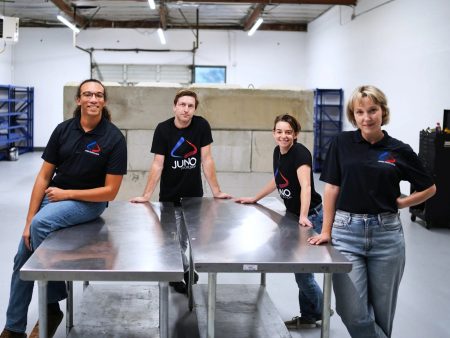
In response to this compounding crisis, F5’s recent acquisition of Denver-based startup SurePath AI represents a decisive step toward regaining control of this lawless digital frontier. Founded just a few years ago in 2023 under the leadership of co-founder and CEO Casey Bleeker, SurePath AI operated with a modest team of about nineteen employees and had raised roughly six million dollars in venture backing. While financial terms of the deal remain undisclosed, the strategic value of this acquisition is immensely clear. SurePath’s core technology acts as a digital watchman, quietly scanning a company’s network to identify exactly which AI tools and automated agents employees are utilizing—including those adopted without the knowledge or approval of the IT department. By tracing the pathways of these applications and tracking how data flows to and from them, F5 aims to illuminate the blind spots that have kept security professionals awake at night, transforming what was once a dangerous corporate mystery into a visible, manageable, and secure ecosystem.
This migration of unauthorized tools into the workplace has given rise to a phenomenon known as “Shadow AI,” a trend that mirrors the “Shadow SaaS” era of a decade ago, but with far higher stakes and a much more volatile footprint. Kunal Anand, F5’s chief product officer, vividly articulated this shift, warning that Shadow AI is essentially Shadow SaaS moving at a faster clock speed and carrying a significantly larger blast radius. During the cloud revolution, workers might have signed up for unauthorized project management tools or document-sharing platforms, which presented real but localized security risks. With AI, however, the threat is exponentially amplified; a single employee pasting proprietary source code, confidential financial projections, or sensitive customer data into an unvetted public large language model can inadvertently expose the company’s intellectual property to the open web or poison their own internal models. The sheer velocity with which AI utilities are built and adopted means that security teams can no longer afford to take a reactive stance; they must anticipate use cases before they lead to disastrous public leaks.
F5’s strategy goes beyond merely identifying security vulnerabilities; it centers on providing a cohesive, deeply integrated platform that rescues enterprise clients from software fatigue. Historically, cybersecurity teams have been forced to cobble together a disjointed patchwork of point solutions to keep their environments secure. Locoh-Donou was empathetic to this struggle, noting that forcing security teams to manage four, five, or six different tools just to discover, test, and protect their AI infrastructure quickly devolves into an operational nightmare. To ease this burden, F5 is integrating SurePath AI’s capabilities directly into its newly announced, comprehensive AI security platform. This unified system is designed to seamlessly discover active AI models, rigorously test them for hidden vulnerabilities and weaknesses, and apply robust, automated guardrails to ensure they operate within acceptable boundaries. This acquisition builds on F5’s previous purchase of CalypsoAI, which has already been repackaged into highly specialized offerings like F5 AI Red Team and F5 AI Guardrails, demonstrating a concerted effort to build a single, reliable shield for the modern enterprise.
At the core of this aggressive acquisition strategy lies a deeply human philosophy that Locoh-Donou champions, one that places corporate culture and human alignment on equal footing with technological excellence. Whenever F5 evaluates a potential acquisition, the leadership team weighs three critical criteria: whether they can build the technology faster internally, whether the transaction delivers authentic, tangible value to their customers, and, perhaps most importantly, whether the incoming team is a natural fit for F5’s collaborative culture. In an industry often dominated by cutthroat ambition and cold metrics, Locoh-Donou’s willingness to walk away from brilliant teams and groundbreaking technology simply because the cultural synergy wasn’t there is a refreshing testament to the power of human connection in business. This people-centric framework ensures that when companies like SurePath AI are absorbed, their innovators are empowered to thrive, collaborate, and drive the parent company’s mission forward without losing their creative spark.
As F5 celebrates its 30th anniversary, having grown from its humble 1996 Seattle roots into a global powerhouse reporting over three billion dollars in annual revenue, it stands as a resilient pilot steering enterprises through the unpredictable waters of the digital age. This journey from optimizing local server traffic to safeguarding complex, multi-cloud AI environments represents not just corporate survival, but a continuous rewriting of the company’s identity. During his wide-ranging conversation on the GeekWire Podcast, Locoh-Donou touched upon this long legacy of evolution, while also looking forward to the vibrant local community milestones on the horizon, such as Seattle hosting matches for the upcoming FIFA World Cup. Ultimately, F5’s ongoing transformation serves as a powerful reminder that while technology will continue to evolve at an astonishing, often disorienting pace, the heart of successful innovation remains deeply human—anchored by trust, simplified experiences, and a relentless commitment to keeping people, and their data, safe.