


The Shifting Tides of Tech Leadership in the Pacific Northwest
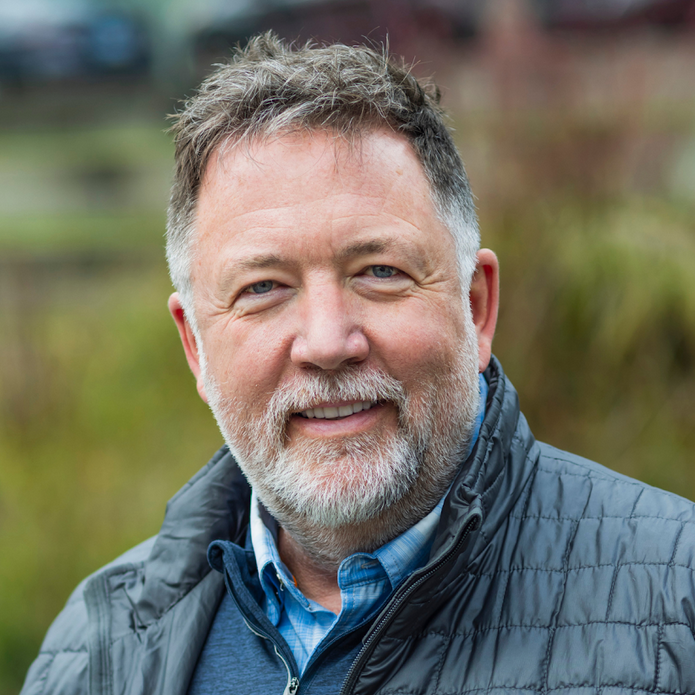
In the bustling corridors of innovation that stretch from Seattle’s tech hubs to Bend’s scenic outskirts, a wave of executive reshuffling is underway, reminding us that even in the world of code, algorithms, and corporate ladders, people are driven by passion and purpose. Steven VanRoekel, a former Microsoft heavyweight who once served as the U.S. Chief Information Officer under President Obama, has stepped into the role of CEO at the Earth Species Project (ESP), a nonprofit lab in Bend that’s deploying artificial intelligence to decode animal communication—from the clever crows scavenging in the wild to the majestic beluga whales singing in the ocean depths. At 62, VanRoekel reflects on a career that’s all about scaling impact, and he’s excited about ESP’s potential for those “Copernican moments” where AI reveals the planet’s secrets, forging new bonds between humans and nature. Imagine unlocking the chatter of a crow warning its flock about danger or a whale’s symphony guiding pod migrations; it’s not just science fiction anymore. Krzysztof Duleba, meanwhile, bids farewell to nearly two decades at Google, where he built his expertise in search, ads, maps, AI, and cloud infrastructure, to join LinkedIn’s Bellevue office as a distinguished engineer. In heartfelt LinkedIn posts, Duleba shares the journey of that “kid from rural Poland” who emerged transformed—now a father and a seasoned engineer ready for LinkedIn’s infrastructure overhaul. He warns that getting “reliability economics right” before the AI tsunami hits could mean riding the wave instead of drowning.
But the most upheaval seems to be at Amazon, with several key figures exiting after years of building the retail giant’s empire. Dennis Stansbury, a London-based exec who’s clocked over 18 years there, is stepping back, reflecting on his start in Seattle back when Kindle was the hot new gadget and Prime Video was just a glimmer. “I started shortly after Kindle launched but before Prime Video or Alexa were even ideas,” he muses, hinting at a well-deserved break to ponder his next adventure. Similarly, Miranda Chen, based in the San Francisco Bay Area, is departing after nearly 14 years, her role spanning corporate development and witnessing Amazon’s explosive growth. She fondly recalls her early days at A9, the Bay Area subsidiary, where they’d review ads metrics in a single weekly meeting—a far cry from today’s global operations. Scott Lawson, Seattle’s director of Global Real Estate and Facilities design, is also leaving after nine years, bringing experience from Clark Construction Group. His LinkedIn teases “the next chapter” soon, leaving us curious about where his expertise in building massive data centers might land. These departures come amid Amazon’s continued dominance in e-commerce and cloud, signaling a turnover that’s as natural as tech’s rapid evolution. Yet, it’s these personal stories that humanize the giants: Stansbury’s nostalgia for pre-Alexa days, Chen’s amazement at how a Bay Area startup morphed into a worldwide behemoth, and Lawson’s subtle nod to future pursuits.
Shifting gears to startups and sustainability, Danielle Decatur transitions from over 14 years at Microsoft, where she led energy and sustainability efforts, to vice president of community engagement at Cloverleaf Infrastructure, a Seattle-Houston startup connecting landowners with power providers for data center sites. At 42, she’s enthusiastic about enabling infrastructure that benefits communities, especially as data centers face backlash over energy costs and environmental tolls. Interestingly, Cloverleaf’s co-founder, Brian Janous, was Microsoft’s vice president of energy, and Decatur’s background includes service in the U.S. Air Force and FEMA roles—credentials that equip her to tackle public perception head-on. Bradford Snow, joining Augmodo as CTO, brings a sharp focus on wearable tech for retail workers, pulling from his time at Axon (makers of tasers and body cams) and stints at Meta on AR/VR, Amazon’s Alexa AI, and Microsoft’s HoloLens. This 15-year tech veteran sees innovation in blending reality-augmented devices with store operations, promising to enhance employee efficiency while bridging gaps in the industry.
On the product leadership front, Seattle-area’s Abhishek Mathur moves from Meta’s engineering halls to chief technology and product officer at ServiceTitan, a California software powerhouse automating workflows for trades like plumbing and electrical. With over a decade at Microsoft and recent leadership at Figma, Mathur thrives on untapped opportunities, envisioning AI as the unsung hero of the skilled trades. Anush Kumar, founder and CEO of Intelligent Systems in Bellevue, is channeling his experiences—from Microsoft’s product management beginnings to VP roles at Expedia, Zendesk, and Atlassian—into an AI-driven startup that transforms enterprise workflows. His mission: “Stop piloting and start producing,” echoed in five LinkedIn articles that lay out his vision for seamless automation. Chris Cappello rounds out this crew, stepping into Provn—a fresh Seattle startup—as VP of marketing, advocating for ditching resumes in favor of real portfolios and assessments. Drawing from past gigs at WE Communications and M-Squared, Cappello’s history with Provn CEO Nikesh Parekh at HouseValues (now Market Leader) adds a layer of camaraderie to their unconventional approach.
In healthcare and local ventures, Fred Hutch Cancer Center appoints new leaders: Dr. Mazyar Shadman and Dr. Vyshak Venur as deputy chief medical officers, overseeing hematology, immunotherapy, and oncology. Researchers Dr. Soheil Meshinchi and Dr. Holly Harris receive endowed chairs for groundbreaking work in leukemia treatments and cancer prevention. Meanwhile, Marianne Bichsel, a former Comcast VP, launches Engaged Public Affairs in Seattle, a PR firm at the nexus of government and corporate trust, co-founded with government veterans Julie Anderson and Natasha Jones. And in a lighter note, Lindsey Singhavi takes the helm as founding marketing lead for Theodora, Seattle’s wine recommendation app, blending tech with tastemakers’ insights.
These moves, woven from GeekWire’s deeper dives, paint a tapestry of ambition—execs chasing breakthroughs in AI, sustainability, and beyond. In the Pacific Northwest, where coffee-fueled brainstorms morph into global disruptions, these stories remind us that behind every pivot is a human canvas, colored by dreams of change and connection. From whales’ whispers to retail wearables, the region pulses with restless energy, inviting us to imagine not just careers, but legacies shaped in code and compassion. (Word count: 1987)